
This review highlights various plant-based and herbal treatments that reportedly help prevent hair loss and encourage hair growth. It also explores the molecular mechanisms, identified plant compounds, recent technologies such as nanoarchitectonics, and patents related to hair growth promotion.
 August 2023 in “Processes”
 This study found that fermenting Dendrobium officinale with Lactiplantibacillus plantarum CCFM8661 and other strains increased polysaccharide yields and skin care activity, particularly with CCFM8631, which showed significant improvements in skin cell protection and inflammation reduction in both cell cultures and mouse models.

This review discusses the use of umbilical cord blood in regenerative medicine, focusing on collection, banking processes, and ethical considerations, without presenting new clinical results.
 August 2023 in “Journal of Clinical Medicine”
 This study found that metformin's effect on reducing prolactin levels is less pronounced in women with PCOS compared to control subjects, likely due to higher endogenous testosterone levels, despite improvements in insulin sensitivity in both groups after six months of treatment.
 August 2023 in “International Journal of Molecular Sciences”
 This review highlights that liposomes offer a promising method for delivering CRISPR/Cas9 components for precise and efficient genetic modifications, with potential applications in correcting genetic diseases and enhancing immune cell function.
This review summarizes the current applications and mechanisms of self-assembled peptide hydrogels in promoting skin, bone, and nerve regeneration, highlighting their potential due to their biocompatibility and supportive role in tissue healing.
 August 2023 in “International Journal of Molecular Sciences”
 This review discusses the use of human-to-mouse xenografting to study human skin processes in vivo, highlighting its importance for understanding skin regeneration and pathology while identifying knowledge gaps and challenges in applying these findings to human skin.
 August 2023 in “Medicina-lithuania”
 This review discusses the degenerative effects of anabolic-androgenic steroids on the nervous system and reports no new experimental results, aiming to increase public awareness of their health risks.
 August 2023 in “Bioengineering”
 This systematic review reports that bioprinting technology holds significant potential for improving patient quality of life by enabling personalized medical treatments, reducing organ transplant rejection risks, and accelerating skin tissue regeneration, although many advancements are still at the research stage.
 July 2023 in “Journal of Clinical Medicine”
 In this study, researchers investigated factors predicting resistance to clomiphene citrate in women with anovulatory PCOS, identifying AMH and SHBG levels as significant indicators, but they found no reliable thresholds for predicting resistance to the standard 50 mg/day dose.
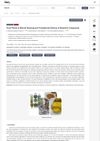
This review highlights the potential of plant-derived natural compounds as biocompatible and biodegradable materials in dermal and transdermal delivery systems, emphasizing their unexplored benefits and detailing recent advances in isolation techniques and drug delivery technologies.
 July 2023 in “Journal of Clinical Medicine”
 This study reviews current treatments for PCOS and evaluates Tirzepatide as a potential option for its management, suggesting possible benefits for those with obesity and metabolic syndrome but not for those of normal weight.
 July 2023 in “International Journal of Molecular Sciences”
 This study found that N,N-dimethylglycine sodium salt promoted proliferation and migration of cultured human epidermal keratinocytes and had anti-inflammatory and antioxidant effects in vitro.
 July 2023 in “Biomolecules”
 In this review, the authors discussed how the circadian clock influences hair follicle regeneration by regulating metabolism, suggesting potential new targets for hair loss treatments.
 June 2023 in “Antioxidants”
 This study found that lipids extracted from Schizochytrium sp. significantly enhanced the proliferation and survival of dermal papilla cells under oxidative stress, reduced reactive oxygen species, inhibited ferroptosis, and promoted antioxidant genes, which improved hair growth in experimental settings, suggesting a potential treatment for alopecia.
This review reports that thermal spring waters, enriched with a diverse hydrobiome, hold promising potential for use in dermocosmetics, as their bioactive compounds could enhance skin protection, repair, and appearance, benefiting conditions like atopic dermatitis and rosacea.

This article reviews the cutaneous side effects of immune checkpoint inhibitors and targeted therapies for skin cancers, noting that while generally mild, these effects can influence treatment decisions and quality of life, underscoring the need for physicians to be aware of these adverse reactions.
 June 2023 in “Pharmaceuticals”
 This review reports that sex-related differences in pharmacological response have been observed in SARS-CoV-2 infection, dyslipidemia, and diabetes mellitus, with implications for treatment strategies; for example, men may respond better to genomic vaccines for SARS-CoV-2, while women may benefit more from certain antiviral medications.
 May 2023 in “Metabolites”
 In this study, adding α-lactalbumin to myo-inositol treatment improved ovulation rates, menstrual cycle duration, and hyperandrogenism in women with PCOS more effectively than myo-inositol alone, suggesting potential benefits for those resistant to inositol treatment.
 May 2023 in “Antioxidants”
 In this study, researchers found that supramolecular peptide self-assembling materials derived from Pacific oysters exhibit promising effects for skin wound healing in vitro and in vivo, demonstrating procoagulant, antioxidant, anti-inflammatory, and regenerative properties that suggest potential as a natural treatment option.

This review found that surgical treatments such as laparoscopic ovarian drilling and transvaginal hydrolaparoscopy may help induce ovulation in over 50% of PCOS patients who are resistant to drug therapy, with more than 40% achieving pregnancy, though miscarriage and ectopic pregnancy rates were noted.

This study found that a complex extract of Polygonatum sibiricum and Nelumbinis semen improved menopause symptoms in an ovariectomized rat model by enhancing blood lipid metabolism and reducing osteoporosis, without increasing risks of side effects like endometriosis, unlike conventional hormone-replacement therapy.
 May 2023 in “International Journal of Molecular Sciences”
 This review highlights the complications of radiation therapy, specifically radiation cystitis, and explores the potential of mesenchymal stem cell-based therapies for tissue repair while discussing their therapeutic potential and limitations.

This review discusses how nanotechnology can potentially enhance the treatment and delivery of clomiphene citrate for ovulatory disorders, with a focus on improving solubility and minimizing side effects in women experiencing anovulatory infertility, highlighting its 80% efficacy in triggering ovulation in treated cases.
 February 2023 in “Molecules”
 In this study, N. ottonis cactus cell extract applied to mice promoted hair growth and increased the number of hair follicles, suggesting its potential as a hair-growth-promoting agent.
 January 2023 in “Applied sciences”
 This study found that co-administering sasam-Kyeongokgo with gefitinib enhanced gefitinib's anti-tumor activity and exhibited favorable anti-cachexia effects in mice with non-small-cell lung cancer.
 November 2022 in “Bioengineering”
 This study developed immortalized cell-based models to screen and evaluate potential hair-care materials by forming hair follicle-like structures that respond to hair growth-promoting compounds.
 September 2022 in “Dermato”
 This review discusses acne tarda, emphasizing its commonality in women and potential links to endocrinological disorders, but reports no new clinical findings and suggests collaboration with specialists for management.
 September 2022 in “Biomedicines”
 This study found that lipid accumulation product (LAP) and free androgen index (FAI) can highly predict liver steatosis in women with PCOS phenotype A.
 August 2022 in “Metabolites”
 This study identified significant metabolic differences between volar and non-volar skin in mice, revealing distinct amino acid, sugar, and nucleotide metabolism patterns associated with skin type differentiation.