26 citations
,
March 1995 in “Differentiation” This study isolated and sequenced the complete gene rKAP4L1, which encodes a cysteine-rich hair keratin-associated protein in rabbit hair follicles.
 24 citations
,
January 2019 in “Theranostics”
24 citations
,
January 2019 in “Theranostics” This study found that loss of the Pten gene in Lgr5+ hair follicle stem cells promoted squamous cell carcinoma formation through the Akt/β-catenin signaling pathway.
 12 citations
,
June 2020 in “Frontiers in Cell and Developmental Biology”
12 citations
,
June 2020 in “Frontiers in Cell and Developmental Biology” This study found that the PP2A-B55α regulatory subunit is crucial for ectodermal development in mice, with knockout embryos displaying severe neural and epidermal defects and failing to survive to birth.

This study investigated dual TCR Treg cells in mouse tissues, revealing a high proportion and diverse pairing patterns compared to single TCR Tregs, providing insights into their origins and characteristics across different tissue locations.
31 citations
,
September 1999 in “Molecular Carcinogenesis” This study in a transgenic mouse model found that repressing overexpression of ornithine decarboxylase reduced papilloma development, indicating its role in tumor promotion sensitivity.
April 2021 in “Journal of Investigative Dermatology” 38 citations
,
January 2014 in “Journal of Dermatological Science” This study found that Krtap11-1 may play an important role in keratin-bundle assembly in the hair cortex, influencing the physical properties of hair.
8 citations
,
June 2016 in “Journal of Investigative Dermatology” A rare genetic deletion in the KRT1 gene causes unique skin symptoms in a family.
28 citations
,
October 2014 in “Development” This study revealed that frizzled 3 can fully rescue polarity defects in frizzled 6-null mice, while frizzled 6 can partially rescue defects in frizzled 3-null mice, highlighting conserved signaling roles in these proteins.
100 citations
,
December 2002 in “Journal of biological chemistry/The Journal of biological chemistry” This study identified a domain on human chromosome 21q22.1 containing various high glycine-tyrosine and high sulfur keratin-associated protein genes, revealing their diverse expression in hair-forming cells.

CaBP1 and CaBP2 are important for maintaining hearing by supporting continuous calcium currents and nerve signaling in the ear.
September 2013 in “Helda (University of Helsinki)” This study explored the genetics of inherited developmental defects in dogs and identified novel mutations affecting traits like caudal dysplasia, ectodermal dysplasia, and mucopolysaccharidosis VII, suggesting dogs as models to study human diseases.
46 citations
,
December 1998 in “Journal of Biological Chemistry” This study found that keratin 19, unlike keratin 14, forms less stable filaments with keratin 5, suggesting distinct assembly properties and potential unique roles in skin basal cells.
1 citations
,
December 2020 in “International journal of molecular sciences” This study suggests that biallelic loss of the Hedgehog signaling repressor Patched alone in Keratin 5+ epidermal cells is insufficient to drive basal cell carcinoma development unless exogenous stimuli trigger accumulation of BCC precursor cells.
April 1996 in “Journal of Dermatological Science”  144 citations
,
March 2013 in “Circulation Research”
144 citations
,
March 2013 in “Circulation Research” This study reports that mutations in the SUR2 gene are linked to Cantu syndrome, highlighting the role of KATP channels in cardiovascular health and potential new therapies.
 18 citations
,
February 2015 in “Acta Crystallographica Section D: Structural Biology”
18 citations
,
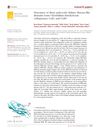
February 2015 in “Acta Crystallographica Section D: Structural Biology” This study reports that Ca 2+ binding alters the dynamics and surface properties of PKD-like domains in Clostridium histolyticum collagenases, enhancing their stability and potentially aiding in collagen-targeting vehicle development.
24 citations
,
February 2011 in “The American journal of pathology” This study found that AIRE, a usually nuclear protein, is expressed in the cytoplasm of human epidermal and follicular keratinocytes and associates with the intermediate filament protein cytokeratin 17, potentially impacting ectodermal abnormalities in APECED syndrome.
January 2009 in “한국피부장벽학회지” This study reports that in mice, CaR plays a critical role in sensing the epidermal Ca2+ gradient, influencing keratinocyte differentiation, and affecting epidermal development.
10 citations
,
September 2021 in “The FASEB Journal” This study found that ACKR2 plays a crucial role in reducing inflammatory skin fibrosis and promoting inflammation resolution through IFN‐β production, limiting tissue scarring.

This study found that Pygo2 is crucial for early intestinal hyperproliferation induced by stabilized β-catenin, suggesting it as a potential target for therapeutic intervention in cancers with β-catenin mutation.
 62 citations
,
January 2000 in “Developmental dynamics”
62 citations
,
January 2000 in “Developmental dynamics” This study found that Notch-related genes, including Notch1 and Notch2, and their ligands and regulators, have distinct patterns of expression during mouse hair vibrissa follicle development and the adult hair cycle.
3 citations
,
November 2024 in “Viruses” This study found that cepharanthine significantly inhibits EqHV-8 infection in vitro and improves lung tissue pathology in infected mice by reducing oxidative stress through specific signaling pathways, suggesting its potential as a treatment for equid herpesvirus type 8.
 96 citations
,
June 2017 in “Nature Communications”
96 citations
,
June 2017 in “Nature Communications” This study identified WNT10A as crucial for adult epithelial cell proliferation and differentiation, suggesting β-catenin pathway activation may help address regenerative defects in WNT10A mutation patients.
 March 2023 in “JAAD case reports”
 This article reviews the genetic foundations of keratins in maintaining epithelial tissue integrity and links specific keratin variants to diverse ichthyosis forms, without presenting new clinical findings.
12 citations
,
November 2007 in “Journal of Investigative Dermatology” CD200 is not a reliable marker for identifying stem cells in all skin types.
![[4-t-Butylphenyl]-N-(4-imidazol-1-yl phenyl)sulfonamide (ISCK03) Inhibits SCF/c-kit Signaling in 501mel Human Melanoma Cells and Abolishes Melanin Production in Mice and Brownish Guinea Pigs](/images/assets/4eb017dc-711d-4926-bcd0-c3b8f48e3a99/small/19974.jpg) 26 citations
,
July 2007 in “Biochemical Pharmacology”
26 citations
,
July 2007 in “Biochemical Pharmacology” This study found that phenyl-imidazole sulfonamide derivatives, particularly ISCK03, inhibited c-kit signaling and promoted depigmentation in various experimental settings, suggesting potential use as skin-whitening agents.
8 citations
,
April 2016 in “Experimental Dermatology” The researchers reported that in mice, the type of tumor suppressor deleted along with oncogenic Kras activation in HFSCs influenced the specific squamous cell carcinoma phenotype that developed.
14 citations
,
April 2016 in “PloS one” This study found that the promoter region of the sheep KRTAP11-1 gene drives specific transcriptional activity in wool follicles, suggesting it may regulate hair keratinocyte specificity.
 7 citations
,
October 2018 in “BMC genomics”
7 citations
,
October 2018 in “BMC genomics” This study reveals that β-catenin and retinoic acid are key regulators in the gene networks controlling the fate of skin appendages, such as scales and feathers.