 1 citations
,
January 2024 in “Theranostics”
1 citations
,
January 2024 in “Theranostics” This source reviews the role of exosomes in regenerative medicine, highlighting their ability to mediate cell communication and transport biomolecules to enhance or impair biological functions, with potential applications in tissue repair and regeneration.
 1 citations
,
December 2022 in “Biomolecules & therapeutics”
1 citations
,
December 2022 in “Biomolecules & therapeutics” This study found that a long-term astrocyte culture model can effectively study astrocyte senescence and suggests minoxidil as a potential candidate to regulate brain aging by normalizing dysregulated gene expression in aged astrocytes.
 1 citations
,
February 2021 in “Cosmetics”
1 citations
,
February 2021 in “Cosmetics” This study found that the ethyl acetate extract of Fagraea berteroana fruits and its fraction FEAE-F0 promoted cell proliferation and modulated gene expression in hair follicle cells, suggesting potential for hair growth stimulation.
 1 citations
,
November 2018 in “bioRxiv (Cold Spring Harbor Laboratory)”
1 citations
,
November 2018 in “bioRxiv (Cold Spring Harbor Laboratory)” This study found that in mice, knockout of Rac1 and Rac3 in keratinocytes led to reduced white adipose tissue and revealed Rac-dependent paracrine pathways affecting pre-adipocyte differentiation.
 1 citations
,
June 2017 in “International Journal of Toxicology”
1 citations
,
June 2017 in “International Journal of Toxicology” This symposium reviewed strategies to advance stalled drug molecules, discussed common regulatory hurdles, and explored options for repurposing drugs, but it reported no new research findings.
 1 citations
,
January 2017 in “The Annals of Clinical and Analytical Medicine”
1 citations
,
January 2017 in “The Annals of Clinical and Analytical Medicine” In this study, researchers found no significant association between VDR gene polymorphisms and the susceptibility to alopecia areata, suggesting that these genetic variations may not play a role in the disease's development.
 1 citations
,
November 2015
1 citations
,
November 2015 This study observed that human dental pulp stem cells can differentiate into adipocytes and osteocytes, but their potential for neural differentiation remains uncertain due to similar responses seen in undifferentiated cells.
 1 citations
,
October 2025 in “Nano Research”
1 citations
,
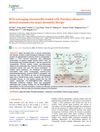
October 2025 in “Nano Research” In this study, researchers developed a dissolvable microneedle patch combining HA-TEMPO and Portulaca oleracea L.-derived nanoparticles, which effectively reduced oxidative stress and inflammation in an atopic dermatitis model while restoring immune balance, suggesting a promising treatment strategy.
 1 citations
,
October 2025 in “Iranian journal of pharmaceutical research”
1 citations
,
October 2025 in “Iranian journal of pharmaceutical research” This study suggests that geranyl acetate may offer protective, anti-inflammatory, and cytoprotective effects against PPD-induced toxicity in keratinocyte cells, indicating its potential as a plant-derived treatment.
 1 citations
,
September 2025 in “Frontiers in Immunology”
1 citations
,
September 2025 in “Frontiers in Immunology” In this study, researchers using a Treg-specific HuR-deficient mouse model found that the RNA-binding protein HuR is crucial for stabilizing Foxp3 mRNA, affecting Treg function and immune regulation, with HuR disruption leading to impaired Foxp3 expression and potential autoimmune dysfunction.
 1 citations
,
May 2025 in “Animal Bioscience”
1 citations
,
May 2025 in “Animal Bioscience” This study explored the spatial variation of THFD in cashmere goats and identified four genes associated with it, offering insights that could aid in the development of THFD genes for these animals.
 1 citations
,
January 2024 in “Food Science and Technology Research”
1 citations
,
January 2024 in “Food Science and Technology Research” In this study, researchers evaluated the hair growth-promoting effects of strawberry water-extract on human follicle dermal papilla cells and found it enhanced cell metabolism, though it did not significantly alter hair growth-related gene expression.
 1 citations
,
March 2023 in “bioRxiv (Cold Spring Harbor Laboratory)”
1 citations
,
March 2023 in “bioRxiv (Cold Spring Harbor Laboratory)” This study found that Dermal Fibroblast Progenitors have repressed chromatin profiles which hinder their ability to reform skin in allograft assays despite their differentiation potential.
 1 citations
,
January 2023 in “Bioscience Journal”
1 citations
,
January 2023 in “Bioscience Journal” This study found that combining sorafenib with Platycladus orientalis leaf extract effectively suppressed cervical cancer cell growth by increasing tumor suppressor gene expression and reducing anti-apoptotic gene expression, suggesting a potential rationale for further clinical trials.
 1 citations
,
October 2022 in “International journal of endocrinology”
1 citations
,
October 2022 in “International journal of endocrinology” This study found that dihydrotestosterone treatment in female rats altered anterior pituitary gland gene expression, with significant repression of prolactin and inhibition of GnRH receptor gene expression, suggesting specific hormone production changes.
 1 citations
,
May 2021 in “Research Square (Research Square)”
1 citations
,
May 2021 in “Research Square (Research Square)” This study concluded that controlled micro-injury induces hair regeneration and vitiligo repigmentation in mice, potentially through the Wnt/β-catenin pathway.
 1 citations
,
February 2021 in “Scholars international journal of anatomy and physiology”
1 citations
,
February 2021 in “Scholars international journal of anatomy and physiology” In a laboratory setting, this study found that overexpression of the FGF5 short form in cultured keratinocytes increased hepatic growth factor gene expression, suggesting a potential role in hair growth.
 1 citations
,
April 2020 in “bioRxiv (Cold Spring Harbor Laboratory)”
1 citations
,
April 2020 in “bioRxiv (Cold Spring Harbor Laboratory)” This study suggests that seasonal rhythm genes in cashmere goat skin are differentially expressed with changing daylight, potentially affecting hormone transformation and light sensitivity.
 1 citations
,
January 2020 in “bioRxiv (Cold Spring Harbor Laboratory)”
1 citations
,
January 2020 in “bioRxiv (Cold Spring Harbor Laboratory)” This study suggests that Dicer, but not Tarbp2, plays a crucial role in regulating the growth phase of hair follicles in bulge stem cells during post-natal development in mice.
 1 citations
,
March 2019 in “Chinese Medical Journal”
1 citations
,
March 2019 in “Chinese Medical Journal” This study identified a small population of PAX3+/CD34+ cells in human foreskin tissue that may serve as transition cells between melanocyte stem cells and hair follicle stem cells, characterized by specific marker expressions.
 1 citations
,
August 2018 in “bioRxiv (Cold Spring Harbor Laboratory)”
1 citations
,
August 2018 in “bioRxiv (Cold Spring Harbor Laboratory)” This study reports that a novel gain-of-function mutation in TMEM173, combined with polymorphisms in TMEM173 and IFIH1, results in a distinct clinical phenotype with features of SAVI, including alopecia and photosensitivity.
 1 citations
,
January 2015 in “Genetics and Molecular Research”
1 citations
,
January 2015 in “Genetics and Molecular Research” This study demonstrated that blocking S100A3 in mice inhibited hair growth by delaying the anagen phase and reducing the number of hair follicles, suggesting S100A3 as a potential target for hair loss treatments.
 1 citations
,
October 2014 in “Skin Pharmacology and Physiology”
1 citations
,
October 2014 in “Skin Pharmacology and Physiology” This study found that osteopontin expression was significantly higher in alopecia areata lesions compared to healthy controls, suggesting it may play a role in the disease's pathogenesis.
 1 citations
,
January 2009 in “Trepo - Institutional Repository of Tampere University”
1 citations
,
January 2009 in “Trepo - Institutional Repository of Tampere University” This study found that vitamin D regulates cholesterol metabolism and may influence prostate cancer development through mechanisms affecting prostate cell growth and sex hormone metabolism.
 December 2025 in “Insights-Journal of Health and Rehabilitation”
 This study assessed the impact of Polycystic Ovarian Syndrome on married women's quality of life, finding significant negative effects on psychological well-being, fertility-related concerns, and body image, underscoring the need for comprehensive and culturally sensitive interventions.
 November 2025 in “Journal of Pioneering Medical Science”
 This systematic review reported that probiotics, prebiotics, synbiotics, postbiotics, and dietary supplements may improve hair density and reduce dandruff severity in individuals with scalp disorders, potentially by modifying inflammation, oxidative stress, and microbiota composition; however, variability across studies limits the strength of these conclusions.
 August 2025 in “International Journal of Research in Dermatology”
 This review systematically analyzed 22 clinical trials on hair care, finding that while most studies employed appropriate statistical methods, significant inconsistencies in reporting test assumptions and effect sizes may hinder reproducibility, highlighting a need for better standardization and transparency in these research practices.
 December 2024 in “Tạp chí Y Dược Huế”
 This study observed that in 210 infertile women with PCOS, stress significantly negatively impacted quality of life, with infertility-related quality being particularly low, and noted income, BMI, acne, and hirsutism as influential factors.
 April 2024 in “Lasers in medical science”
 This study found that near-infrared LED therapy enhanced ATP synthesis, reduced reactive oxygen species, and promoted collagen production and hair growth more effectively than white LEDs in human skin cells and a photoaging mouse model.
 March 2024 in “Research Square (Research Square)”
 In this study, researchers discovered that the MafB gene, which is important for macrophage differentiation, shows high expression in the pancreas and is influenced by sex steroids, with varied expression patterns in hamster tissues and during reproductive phases.