 12 citations
,
February 2010 in “Tetrahedron Letters”
12 citations
,
February 2010 in “Tetrahedron Letters” This article describes the synthesis of novel polyamine-modified minoxidil analogs and conjugates to potentially enhance minoxidil's biological activity, selectivity, and water solubility, but reports no new biological results.
 25 citations
,
July 2019 in “Journal of drug delivery science and technology”
25 citations
,
July 2019 in “Journal of drug delivery science and technology” This study developed lipid-core nanocapsules for encapsulating menthol, improving its solubility and thermal stability, and demonstrated their safety and rapid skin absorption in ex vivo tests, highlighting potential applications for cosmeceuticals.
 February 2022 in “Programa de Iniciação Científica - PIC/UniCEUB - Relatórios de Pesquisa”
 This study found that PRP treatment showed better results than injectable minoxidil for reducing hair loss and promoting hair growth, with noticeable effects after the second application.
 October 2025 in “Advanced Healthcare Materials”
 In a study on wound healing, researchers described injectable POEGMA‐DA hydrogels as a promising non-toxic alternative to traditional wound closure methods, showing effective tissue adhesion and enhanced regeneration of skin structures in a mouse model without significant inflammation.
June 2025 in “Healthy-Mu Journal” The optimized Cinchonine gel effectively fights acne bacteria and is safe for twice-daily use.
6 citations
,
August 2024 in “Biomacromolecules” This study introduces a novel in vitro model for clubfoot fibrosis to enable high-throughput drug screening and found that while the model increased collagen deposition, the antifibrotic drug minoxidil effectively inhibited the expression of collagen cross-linking enzymes.
 2 citations
,
March 2021 in “Journal of Cosmetic Dermatology”
2 citations
,
March 2021 in “Journal of Cosmetic Dermatology” This pilot study found that among male androgenetic alopecia patients, 2.5 mg oral minoxidil with platelet-rich plasma led to higher patient satisfaction than 1.25 mg, though hair count improvements were not statistically significant.
January 2026 in “International Journal of Cosmetic Science” This study observed that eco-friendly PALF forms a protective physical barrier on the skin, helping limit the impact of environmental pollutants and offering additional benefits for skin and hair in various cosmetic formulations.
In this study, topical application of piperonylic acid was observed to accelerate wound healing in mice by enhancing EGFR activation, keratinocyte modulation, and collagen deposition, suggesting its potential as a treatment for skin injuries.
September 2025 in “OPAL (Open@LaTrobe) (La Trobe University)” This study developed a biobased copolymer called SELP::KP, showing improved hair strength, elasticity, and conditioning properties while being a safer alternative to conventional chemical treatments, based on application to human hair in a laboratory setting.
January 2010 in “대한미용학회지” This study observed that Polygoni mulitiflori Radix water extracts accelerated hair regrowth in mice by enhancing enzyme activities and increasing IGF-1 gene expression related to hair growth.
 43 citations
,
August 2016 in “Scientific Reports”
43 citations
,
August 2016 in “Scientific Reports” This animal study found that Cinnamomi cortex water extract reduced prostate weight and improved histological changes in a benign prostatic hyperplasia model, suggesting potential as a treatment.
 2 citations
,
January 2009 in “Journal of Drug Delivery Science and Technology”
2 citations
,
January 2009 in “Journal of Drug Delivery Science and Technology” This study found that cationic vesicles enhanced minoxidil skin retention and in vivo hair growth efficacy compared to other formulation types due to electrostatic interactions with the skin.
 47 citations
,
March 2018 in “Journal of Pharmaceutical and Biomedical Analysis”
47 citations
,
March 2018 in “Journal of Pharmaceutical and Biomedical Analysis” This study identified 43 compounds in Platycladi Cacumen, including flavonoids, and found significant chemical variation in flavonoid content across different regions and processed products.
 10 citations
,
January 2018 in “Postępy Dermatologii i Alergologii”
10 citations
,
January 2018 in “Postępy Dermatologii i Alergologii” This study found that 21 out of 39 patients with alopecia areata experienced more than 50% hair regrowth after six months of DPCP treatment, with better outcomes observed in those treated at 3-week intervals compared to weekly intervals.
159 citations
,
July 2014 in “Molecular pharmaceutics” This study found that MPEG-dihexPLA micelles significantly improved the skin deposition of tacrolimus compared to a marketed ointment, suggesting better targeted delivery with reduced systemic absorption.
June 2026 in “Materials Today Bio” This study reported that a decellularized porcine amniotic membrane hydrogel can alleviate inflammation and promote tissue repair in a UVB-induced skin inflammation model, suggesting its potential as a regenerative treatment for photodamage-associated skin injuries.
2 citations
,
May 2022 in “Advanced therapeutics” This study reported that a novel vasodilator drug called TOP-M119, when delivered using a specially designed dissolving microneedle system, showed enhanced targeting of hair follicles and effectiveness in treating alopecia, demonstrated through in vitro, ex vivo, and in vivo studies involving mouse skin.
 13 citations
,
July 2011 in “Journal of Dermatological Treatment”
13 citations
,
July 2011 in “Journal of Dermatological Treatment” This study found that topical pimecrolimus is as effective as clobetasol propionate for treating alopecia areata, with better tolerability in terms of side effects.
 May 2023 in “Antioxidants”
 In this study, researchers found that supramolecular peptide self-assembling materials derived from Pacific oysters exhibit promising effects for skin wound healing in vitro and in vivo, demonstrating procoagulant, antioxidant, anti-inflammatory, and regenerative properties that suggest potential as a natural treatment option.
 8 citations
,
January 2018 in “Journal of the American Academy of Dermatology”
8 citations
,
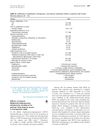
January 2018 in “Journal of the American Academy of Dermatology” This study found that maintenance treatment with diphenylcyclopropenone was associated with a lower relapse rate in alopecia areata patients, highlighting the importance of adjusting treatment intervals post-improvement.
1 citations
,
June 2021 in “International journal of pharmaceutical compounding” This study found that compounded minoxidil solutions in a propylene glycol-free and alcohol-reduced foam remained stable for 180 days, meeting United States Pharmacopeia standards for strength, pH, and antimicrobial effectiveness.
January 2012 in “Lume (Universidade Federal do Rio Grande do Sul)”  9 citations
,
November 2012 in “Biomolecules & therapeutics”
9 citations
,
November 2012 in “Biomolecules & therapeutics” This study found that diphlorethohydroxycarmalol significantly increased prostaglandin $E_2$ synthesis in HaCaT human keratinocytes by upregulating COX-1 and COX-2 expression, suggesting potential benefits from elevated $PGE_2$ production.
 May 2023 in “Elsevier eBooks”
 This study found that platelet-rich plasma may be an effective adjuvant treatment for androgenetic alopecia, especially when combined with antiandrogenetic medications and topical minoxidil, though factors like patient age and family history could influence outcomes.
 2 citations
,
April 2023 in “Pharmaceuticals”
2 citations
,
April 2023 in “Pharmaceuticals” This study evaluated the anti-alopecia activity of compounds from Merremia peltata leaf in rabbits and found that scopolin has a promising effect on hair growth and androgen receptor affinity, potentially offering a new treatment option for alopecia.
1 citations
,
November 2023 in “Acta Dermato Venereologica”  33 citations
,
May 1991 in “British Journal of Pharmacology”
33 citations
,
May 1991 in “British Journal of Pharmacology” Cromakalim relaxes various blood vessels, while minoxidil sulphate is more selective; they likely act on different potassium channels.
8 citations
,
November 2020 in “Journal of Cosmetic Dermatology” This preclinical study observed that a nanoencapsulated ingredient complex, AcPi, may prevent hair follicle aging and hair loss by reducing oxidative stress, enhancing mitochondrial activity and WNT/β-catenin signaling, and controlling androgenic metabolism when tested on human scalp cultures.
65 citations
,
April 1999 in “Journal of Parasitology” This study found that all lesions in mice treated with a new topical formulation, WR 279,396, healed completely without relapse, outperforming other formulations and showing no toxicity.