This study observed that Cornus officinalis fermented with Lactobacillus rhamnosus promoted hair regrowth in mice more effectively than the positive control, minoxidil.
 September 2016 in “International Journal of Herbal Medicine”
 This study undertook powder microscopy and preliminary phytochemical analysis of Buxus wallichiana's stem bark and leaves, identifying steroids, alkaloids, saponins, and glycosides without reporting clinical outcomes.

Baricitinib helps keep hair, eyebrows, and eyelashes regrown for 3 years in most people with severe hair loss.
 April 2023 in “Journal of Investigative Dermatology”
 This report details the development of a PSR™ Terminalia extract with antioxidant and anti-aging potential, highlighting its rich composition in phenolic acids, polysaccharides, and organic acids, without new clinical results.
3 citations
,
August 2003 in “PubMed” This study found that bergamot and boxthorn extract significantly improved skin antioxidant activity and collagen content while promoting hair growth in mice.
 8 citations
,
August 2021 in “Aging”
8 citations
,
August 2021 in “Aging” This animal study found that berberine may alleviate benign prostatic hyperplasia by reducing inflammation and oxidative stress through inhibition of the NF-κB signaling pathway.
September 2024 in “Journal of Ethnopharmacology” In this study, Terminalia bellirica extracts promoted hair regrowth in testosterone-induced AGA mice, possibly by inhibiting type II 5α-reductase activity and enhancing the MAPK signaling pathway.
This study on albino mice found that hair tonic formulations using methanolic and ethanolic extracts of Beta vulgaris L. promoted hair growth, with the ethanolic extract showing greater effectiveness in terms of length and diameter, potentially due to antioxidant and anti-inflammatory effects.
16 citations
,
April 2022 in “Journal of Food Quality” This study found that blueberry waste in Australia has high phenolic content and antioxidant potential, suggesting potential uses in food, pharmaceutical, and nutraceutical industries.
January 2016 in “Journal of chemical and pharmaceutical research” The study reported that both ethanol and water extracts of pakis munding roots significantly promoted hair growth in male rabbits, showing better results than the marketed hair growth drug minoxidil.
September 2017 in “Zenodo (CERN European Organization for Nuclear Research)” This study suggests that a topical hydroalcoholic extract of liquorice root significantly reduced sebaceous gland size in Syrian hamsters, indicating potential for use in anti-acne therapy.
 November 2023 in “Dermatology and Therapy”
 This study found that treatment with baricitinib 4 mg over 52 weeks led to clinically meaningful regrowth of eyebrows and eyelashes in patients with alopecia areata, even without complete scalp hair regrowth.
 November 2025 in “Naukovij vìsnik veterinarnoï medicini”
 This study found that applying aqueous bay leaf extract to skin graft wounds in rabbits reduced inflammation and improved tissue regeneration, leading to enhanced healing compared to untreated controls, particularly in terms of collagen organization, fibrosis, and inflammation modulation over a 21-day period.

In this study, data from multiple sources found that Baricitinib significantly promoted hair regrowth and improved patient-reported outcomes in those with severe alopecia, with minimal side effects, over a 36-week period.
4 citations
,
June 2020 in “Processes” This study suggests that G. sibiricum has potent aldose reductase inhibitory activity, primarily due to kaempferol rhamnosides, and may be further explored as a natural treatment for diabetes-related complications.
3 citations
,
August 2019 in “Medika Tadulako: Jurnal Ilmiah Kedokteran Fakultas Kedokteran dan Ilmu Kesehatan” In this study on New Zealand white rabbits, the researchers reported that a hair tonic formula combining bitter melon leaf and carrot extracts resulted in optimal hair growth, particularly at a 3:1 ratio and a concentration of 3%, without causing irritation.
 January 2022 in “Acta botanica Caucasica”
 This study evaluated herbal cosmetic products used in Turkiye, identifying 140 plant species and highlighting walnut, common nettle, and grape as popular for various traditional uses.
 May 2025 in “Journal of Food and Nutrition Research”
 In this study, black wolfberry ferment was found to promote hair regrowth in mice with androgenetic alopecia by increasing hair weight, follicle count, and skin thickness, potentially through PI3K/AKT, NF-kappa B, and MAPK signaling pathways.
 November 2019 in “Journal of Health and Allied Sciences”
 In this study, the petroleum ether extract of Maharanga bicolor and Hibiscus rosa sinensis in Aloe vera gel showed improved hair growth initiation and completion times in rats, suggesting potential hair growth-promoting activity.
 4 citations
,
February 2017 in “Journal of Cutaneous Medicine and Surgery”
4 citations
,
February 2017 in “Journal of Cutaneous Medicine and Surgery” This study assessed the dermatologic potential of western red cedar, white spruce, birch, balsam poplar, and black spruce used in First Nations medicine, highlighting several active compounds relevant to dermatology, but noted a lack of high-quality evidence in existing research.
 September 2025 in “International Journal of Biology Pharmacy and Allied Sciences”
 In this review, the authors examined the bioactive compounds in rosemary, noting its potential anti-inflammatory, antimicrobial, wound-healing, and anticancer activities, and highlighted its use in traditional medicine and cosmetics for conditions such as aging, baldness, and sun damage.
 November 2025 in “SKIN The Journal of Cutaneous Medicine”
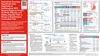
 This phase 3 trial found that over 50% of adolescents with severe alopecia areata achieved successful hair regrowth after 52 weeks on baricitinib 4-mg, with no new safety concerns reported compared to existing safety profiles.
 1 citations
,
September 2022 in “Journal of The American Academy of Dermatology”
1 citations
,
September 2022 in “Journal of The American Academy of Dermatology” In this analysis of two trials, baricitinib showed eyebrow and eyelash regrowth in severe alopecia areata patients with greater than 20% scalp hair loss at Week 36, compared to placebo.
July 2026 in “International Journal of Research in Pharmacology & Pharmacotherapeutics” In this study, the methanolic extract of Tridax procumbens Linn demonstrated significant antiulcer activity in a mice model of acetic acid-induced ulcerative colitis, offering 57.12% ulcer protection compared to 50.60% by the standard drug prednisolone.
 1 citations
,
August 2021 in “Journal of The American Academy of Dermatology”
1 citations
,
August 2021 in “Journal of The American Academy of Dermatology” In this study, baricitinib treatment led to significant regrowth of scalp, eyebrow, and eyelash hair in alopecia areata patients compared to placebo, with higher effectiveness seen at the 4-mg dose.
July 2026 in “Journal of Dermatologic Science and Cosmetic Technology” This study found that extracts from Terminalia bellirica enhanced dermal papilla cell viability, inhibited androgen-related pathways, and stimulated hair regrowth in a mouse model, suggesting potential for treating androgenetic alopecia through multi-target mechanisms.
 November 2015 in “Indian drugs”
 This study found that the aerial roots of Ficus benghalensis Linn contain flavonoids, phenolics, and saponins, with an ethyl acetate extract being particularly rich in flavonoids.
1 citations
,
January 2010 in “Institutional Repository of Leibniz Universität Hannover (Leibniz Universität Hannover)” 6 citations
,
January 2009 This study found that topical application of Russelia equisetiformis methanol extract significantly increased hair growth in albino Wistar rats, potentially due to its triterpene and flavonoid content.
 April 2011 in “The FASEB Journal”
 In this study, aralia continentalis extract was observed to promote hair follicle development in mice through anagen progression, with the low dose being more effective than the high dose.