 August 2016 in “PolyPublie (École Polytechnique de Montréal)”
 This study observed early cardiac effects in young minipigs following high-dose doxorubicin chemotherapy, with a decrease in heart function and changes in cardiac MRI measurements compared to controls.
 February 2016 in “Online journal of biological sciences”
 This study found that a mixture of Lawsonia inermis L. powder and honey could significantly speed up burn wound healing and promote hair growth in rabbits compared to control and honey-alone treatments.
 April 2015 in “Andrology”
 This special issue contains abstracts from the ASA 40th Annual Meeting, providing an overview of various studies without reporting new primary results.
This study found considerable variation in hair shaft proteomic profiles among Caucasian, African-American, Kenyan, and Korean subjects, with individual and site-specific differences observed.
This study found that in a rat model of alopecia, combining low-level laser therapy with Neoptide treatment resulted in better hair regrowth compared to either treatment used alone.
 September 2012 in “The Egyptian Journal of Histology”
 In this study, flutamide at therapeutic doses caused significant histological changes in the testes and epididymis of adult albino rats, reducing androgen receptor immunoreactivity and increasing estrogen receptor immunoreactivity.
 July 1997 in “Journal of Cutaneous Medicine and Surgery”
 Finasteride significantly increases scalp hair and prevents hair loss in young and middle-aged men.
 126 citations
,
April 2015 in “Clinical, cosmetic and investigational dermatology”
126 citations
,
April 2015 in “Clinical, cosmetic and investigational dermatology” This review discusses best practices for minimizing complications with dermal fillers and provides guidance based on expert consensus, yet it reports no new clinical results.
 41 citations
,
November 2013 in “Experimental Dermatology”
41 citations
,
November 2013 in “Experimental Dermatology” This study found that leptin acts as an inducer of the anagen phase in hair follicles, suggesting its role as a potential player in hair biology.
 12 citations
,
March 2015 in “Pediatric Dermatology”
12 citations
,
March 2015 in “Pediatric Dermatology” This review discusses diagnostic and management challenges of polycystic ovary syndrome in children and adolescents and reports no new clinical results; it emphasizes early intervention when a provisional diagnosis is suspected.
3 citations
,
July 2023 in “Acta Biomaterialia” This study demonstrates that a bioinspired peptide, PepACS, can efficiently and safely perm hair by interacting with keratin's sulfhydryl group without compromising tensile strength, and it shows potential for hair repair and dyeing applications in the hair care industry.
 2 citations
,
June 2022 in “Journal of Applied Pharmaceutical Science”
2 citations
,
June 2022 in “Journal of Applied Pharmaceutical Science” This review discusses the pharmacological properties of 4-0-methylhonokiol from Magnolia species and reports no new experimental results, highlighting potential areas for future research.
 2 citations
,
February 2014 in “Animal Biotechnology”
2 citations
,
February 2014 in “Animal Biotechnology” This study reported that the PTGER2 gene is strongly expressed in cashmere goat skin and its expression tends to decrease from the anagen to telogen stages of the hair follicle cycle.
 1 citations
,
April 2021 in “Current Stem Cell Reports”
1 citations
,
April 2021 in “Current Stem Cell Reports” This review discusses the role of metabolism in maintaining adult stem cell homeostasis with aging and highlights the potential benefits of dietary restrictions on stem cell function and longevity. It reports no new clinical results and emphasizes the need for further molecular studies.
 1 citations
,
August 2014 in “Asian-Australasian Journal of Animal Sciences”
1 citations
,
August 2014 in “Asian-Australasian Journal of Animal Sciences” In this study, recombinant goat VEGF164 increased hair growth when applied to the skin of shaved mice.

This chapter reviews the epidemiology, clinical manifestations, diagnosis, treatment, and outcomes of severe acute respiratory syndrome (SARS) in children, but presents no new clinical results.
 2 citations
,
May 2021 in “Molecules”
2 citations
,
May 2021 in “Molecules” This study reports that the metanephrine content was significantly higher in patients with alopecia areata compared to those without the condition.
 118 citations
,
July 2005 in “Journal of Ethnopharmacology”
118 citations
,
July 2005 in “Journal of Ethnopharmacology” In this study, the aqueous extract of Eclipta alba and its hydrolyzed fraction showed nootropic activity and reduced stress-induced alterations in rats.
 79 citations
,
January 2015 in “Journal of Materials Chemistry B”
79 citations
,
January 2015 in “Journal of Materials Chemistry B” This review discusses the development and future prospects of biomaterials for in situ tissue regeneration but reports no new research results; it underscores the importance of biomaterials in addressing tissue defects.
 44 citations
,
January 2008 in “Fertility and Sterility”
44 citations
,
January 2008 in “Fertility and Sterility” This study suggests that androgen receptor gene CAG repeat length may influence serum free testosterone levels in some PCOS patients, with longer repeats associated with higher testosterone concentrations.
 22 citations
,
September 2019 in “ACS omega”
22 citations
,
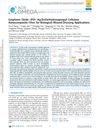
September 2019 in “ACS omega” This study found that AGO@HPC nanocomposite films demonstrated enhanced mechanical, anti-ultraviolet, and antibacterial properties, suggesting potential for use in antibacterial packaging and wound-dressing applications.
 11 citations
,
August 2024 in “Nature Communications”
11 citations
,
August 2024 in “Nature Communications” In this study, researchers observed that quiescent mouse embryonic fibroblasts showed reduced glycolysis but increased TCA cycle flux and mitochondrial respiration, with these changes linked to metabolic reprogramming involving yes-associated protein inhibition and malate cycle modulation, which supports extracellular matrix protein synthesis.
 11 citations
,
January 2020 in “Skin appendage disorders”
11 citations
,
January 2020 in “Skin appendage disorders” This study reviewed clinical trials and found that low-level laser therapy significantly increased hair diameter or density in both men and women with pattern hair loss compared to a sham device, though the involvement of industry relationships in some studies suggests cautious interpretation.
 9 citations
,
June 2011 in “International Journal of Cosmetic Science”
9 citations
,
June 2011 in “International Journal of Cosmetic Science” This study found that a commercially available shampoo significantly increased hair counts and reduced hair shedding in Korean subjects with alopecia over 16 weeks.
 8 citations
,
October 2017 in “Dermatology practical & conceptual”
8 citations
,
October 2017 in “Dermatology practical & conceptual” This study found that a spermidine-based nutritional supplement increased the number of anagen phase hair follicles in healthy humans, suggesting potential benefits for hair loss conditions.
 4 citations
,
August 2018 in “Facial Plastic Surgery Clinics of North America”
4 citations
,
August 2018 in “Facial Plastic Surgery Clinics of North America” This review discusses the use of platelet-rich plasma in treating androgenetic alopecia and alopecia areata, observing overall positive clinical responses without identifiable complications, and reports no new clinical results.
 3 citations
,
March 2024 in “Discover Applied Sciences”
3 citations
,
March 2024 in “Discover Applied Sciences” In this study, researchers found that a protein-enriched cream made from Spirulina platensis improved the physical structure of natural hair, as evidenced by more intact and smoother cuticles compared to a control cream without protein, suggesting its potential for hair care applications.
 3 citations
,
January 2011 in “Annals of Dermatology”
3 citations
,
January 2011 in “Annals of Dermatology” This study found that EGFR inhibitors and ligands did not significantly affect the expression of inflammatory biomarkers in cultured sebocytes, except for a notable increase in IL-1 expression with EGF treatment.
 2 citations
,
January 2018 in “International Journal of ChemTech Research”
2 citations
,
January 2018 in “International Journal of ChemTech Research” This study used phytochemical screening and FTIR spectroscopy with PCA to reveal slight chemical differences between two varieties of Eclipta alba, providing a method for their effective discrimination.
 April 2017 in “Journal of Pharmaceutical Investigation”
 In this study, the administration of indole-based compounds, particularly L-Tryptophan and Tryptophol, to a PCOS-induced rat model resulted in an increased number of healthy ovarian follicles and a reduction in ovarian cysts compared to untreated rats, suggesting potential therapeutic efficacy.