This chapter discusses phase transitions in various pharmaceutical examples and does not present any new research findings.
 26 citations
,
March 2013 in “Journal of Biomedical Materials Research Part A”
26 citations
,
March 2013 in “Journal of Biomedical Materials Research Part A” This study demonstrated that PEGDA hydrogel microwells successfully supported cell survival and proliferation while mimicking hair follicle architecture in vitro, suggesting a potential tool for hair follicle engineering.
 13 citations
,
January 2005 in “Chemical and Pharmaceutical Bulletin”
13 citations
,
January 2005 in “Chemical and Pharmaceutical Bulletin” This study reported that newly synthesized progesterone derivatives significantly reduced prostate weight in testosterone-treated hamsters, with 5alpha-reductase inhibitory activity dependent on the size of the substituent at C-17.
 53 citations
,
January 2017 in “BioMed research international”
53 citations
,
January 2017 in “BioMed research international” This review discusses the importance of omega-3 fatty acids for human health and explores recent advancements in genetically modifying plants to produce these essential nutrients, but reports no new results.
 2 citations
,
October 2004 in “Organic Process Research & Development”
2 citations
,
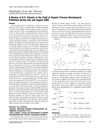
October 2004 in “Organic Process Research & Development” This review discusses U.S. patents in organic process development published in July and August 2004 and reports no new experimental results.
March 2026 in “ACS Omega” This study reported that a novel hydrogel wound dressing, created using a Brachybotrys paridiformis polysaccharide derivative and chitosan, significantly accelerated wound healing and tissue regeneration in vivo, showing nearly complete healing by day 15 compared to controls.
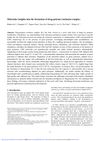
This study reports that carbamazepine can self-assemble into stable channel structures without guest polymers, while griseofulvin relies on guest molecules for structural stability in drug-polymer inclusion complexes.
8 citations
,
June 2024 in “Pharmaceutics” This study found that using elastic nano-liposomes to deliver palmitoylethanolamide improved its transdermal delivery and enhanced its skincare effects, with minimal cytotoxicity and no allergic reactions observed.
 61 citations
,
June 2010 in “European Journal of Pharmaceutics and Biopharmaceutics”
61 citations
,
June 2010 in “European Journal of Pharmaceutics and Biopharmaceutics” This study found that liposomes coated with cationic polymers, chitosan and Eudragit EPO, showed improved physicochemical stability and enhanced skin diffusion of aciclovir and minoxidil compared to uncoated liposomes.
 9 citations
,
April 2019 in “Food Chemistry”
9 citations
,
April 2019 in “Food Chemistry” This study developed an efficient method for converting polymeric procyanidins into high-purity oligomeric procyanidins using a semisynthetic approach combined with separation techniques.
 January 2026 in “Saudi Journal of Medical and Pharmaceutical Sciences”
 In this study, researchers developed mango pectin-based hair gels for traction alopecia in black women, finding the gels exhibited beneficial properties for hair and good stability, suggesting potential as phytocosmetic treatments without common adverse effects.
1 citations
,
October 2018 in “InTech eBooks” This chapter reviews ethosomes for targeted drug delivery to the scalp in androgenetic alopecia and reports no clinical results; the authors emphasize reducing systemic side effects.
36 citations
,
July 1980 in “Journal of Toxicology and Environmental Health” In this animal study, rats given high doses of ethynylestradiol showed dose-related estrogenic effects, delayed tumor onset in females, and no overall increase in tumor incidence compared to controls.
61 citations
,
September 2011 in “Pain” This study observed that N-palmitoylethanolamine (PEA) may relieve pain by enhancing de novo neurosteroid synthesis, evidenced by increased allopregnanolone levels and protein expression in pain models, dependent on PPAR-α.
 21 citations
,
January 2023 in “Biomaterials Science”
21 citations
,
January 2023 in “Biomaterials Science” This study investigated the use of dissolving microneedle patches to improve the skin-lightening effects of alpha-arbutin and resveratrol, finding that the patches enhanced intradermal delivery and slightly decreased the melanin index without affecting skin hydration or causing irritation over 24 hours.
 March 2024 in “International journal of nanomedicine”
 This review discusses recent advancements in the development and use of polymer-based nanohydrogels for topical drug delivery, noting their potential to enhance drug loading, release control, and skin penetration for treating dermatological conditions.
February 2022 in “Journal of Innovative Science and Engineering (JISE)” This review discusses synthetic piezoelectric polymers within the smart polymer family, detailing their applications in various medical fields, but reports no new experimental results.
 17 citations
,
August 2007 in “Bioorganic & Medicinal Chemistry Letters”
17 citations
,
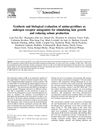
August 2007 in “Bioorganic & Medicinal Chemistry Letters” This study found that a specific amino-pyridine compound showed potent androgen receptor antagonist activity, stimulating hair growth in mice and reducing sebum production in a hamster model.
12 citations
,
July 2017 in “International Journal of Cosmetic Science” This study found that N‐AOHPA was particularly effective as a silicone emulsifier for improving the condition of damaged hair by preventing amino acid dissolution from bleached hair.
16 citations
,
March 2023 in “Gels” This study found that paeonol-loaded liposomal gels demonstrated antioxidant effects and relieved inflammation in AD-like mice, suggesting potential benefits for treating atopic dermatitis.
8 citations
,
January 2018 in “Journal of Analytical Methods in Chemistry” This study developed a reliable HPLC-UV/Vis method to determine aluminum phthalocyanine chloride in skin, supporting its use in skin permeation studies for photodynamic therapy of cutaneous tumors.
 September 2026 in “Mendeley Data”
 This study found that a polyurethane-cellulose acetate scaffold with plasma rich in growth factors may enhance gene expression related to wound healing in an experimental setting.
 9 citations
,
June 2022 in “Reviews in Environmental Science and Bio/Technology”
9 citations
,
June 2022 in “Reviews in Environmental Science and Bio/Technology” This review discusses the industrial applications of maritime pine by-products, emphasizing their antioxidant and antimicrobial properties, and suggests innovation opportunities in a circular economy context; it reports no new results.
 21 citations
,
January 2010 in “JOURNAL OF HEALTH SCIENCE”
21 citations
,
January 2010 in “JOURNAL OF HEALTH SCIENCE” This study found that abietic acid from pine resin more effectively inhibits testosterone 5α-reductase than several plant extracts, suggesting potential for treating androgen-dependent diseases.
October 2022 in “Frontiers in Bioengineering and Biotechnology” This study demonstrated that in a mouse model of androgenic alopecia, PLGA-DUT/siAR@DPCM nanoparticles effectively delivered drugs to hair follicles, suppressed androgen-related targets, promoted cell proliferation, and showed significant therapeutic effects with minimal adverse effects, suggesting their potential for clinical application.
August 2025 in “Materials Today Bio” This study reports that novel nanofibrous dressings combining polylysine and tannic acid significantly reduce bacterial burden, support wound healing, and exhibit strong anti-inflammatory effects in infected full-thickness wounds, promoting near-complete closure and skin regeneration within two weeks.

In this study, researchers developed isotretinoin-loaded Delonix polymeric nanoparticles that target hair follicles and found they effectively sustained drug release, reduced IL-6 production in vitro without inhibiting P. acnes, and may prevent isotretinoin-related skin irritation in vivo in Wistar rats.
 1 citations
,
December 2017 in “JAMA Facial Plastic Surgery”
1 citations
,
December 2017 in “JAMA Facial Plastic Surgery” This study found that both PHDPE and ePTFE hair-bearing scaffolds were well tolerated in a rat model, with minimal infection or extrusion, though artificial hair showed progressive loss over time.
11 citations
,
January 2018 in “IET Nanobiotechnology” In this study, poly (ɛ-caprolactone)–chitosan–poly (vinyl alcohol) nanofibrous scaffolds used on canine skin wound models were found to significantly accelerate healing rates of excision and burn wounds, without inducing immunogenic reactions.
 January 2011 in “Journal of Society of Cosmetic Chemists of Japan”
 This study found that a conditioner containing 18-MEA and SPDA can improve hair's smoothness and reduce flyaways, enhancing hair manageability.