Search
for
Sort by
Research
90-120 / 1000+ results
research Polymorphism in the A2M gene associated with high-quality milk in Murrah buffaloes (Bubalus bubalis)
In this study, a specific SNP in the A2M gene of Murrah buffaloes was significantly associated with increased fat production and higher fat and protein percentages in milk.

research Androgen Receptor Mutations and Polymorphisms in African American Prostate Cancer
This study found that African American men with prostate cancer have higher rates of somatic and germline androgen receptor mutations than Caucasian American men, which may contribute to ethnic differences in disease progression and outcomes.
research The E211 G>A Androgen Receptor Polymorphism Is Associated with a Decreased Risk of Metastatic Prostate Cancer and Androgenetic Alopecia
This study found that the AR-E211 A allele is associated with a lower risk of both metastatic prostate cancer and androgenetic alopecia in an Australian population.
research A Synonymous Polymorphism of APCDD1 Affects Translation Efficacy and is Associated with Androgenic Alopecia
A certain gene variation can affect protein production and is linked to male pattern baldness.
research Baldness and the androgen receptor: the AR polyglycine repeat polymorphism does not confer susceptibility to androgenetic alopecia
In this study, researchers found that while the SNP rs6152 is strongly associated with androgenetic alopecia, the GGN triplet repeat is not, suggesting the causative variant is likely a non-coding one.
research A Synonymous Polymorphism of APCDD1 Affects Translation Efficacy and is Associated with Androgenic Alopecia
This study found that the rs3185480 polymorphism in the APCDD1 gene was associated with an elevated risk of developing androgenic alopecia and reduced protein levels, potentially due to altered codon usage affecting translation efficiency.
research Decision letter: The molecular basis for ANE syndrome revealed by the large ribosomal subunit processome interactome
This study suggests that the ANE syndrome mutation in yeast Nop4, analogous to human RBM28, disrupts protein folding and protein-protein interactions, contributing to ribosomal dysfunction.
research Genetic Polymorphisms of the 3'-Untranslated Regions (3'-UTR) of the HSP 70 Gene in Moa Buffalo (Bubalus bubalis)
In this study, researchers identified two significant genetic polymorphisms in the 3'-UTR of the HSP70 gene in Moa buffalo, which may play an important role in heat adaptation, providing insights for conservation and performance improvement in tropical climates.
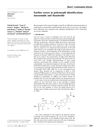
research Further errors in polymorph identification: furosemide and finasteride
This study determined that previous reports mistakenly identified different polymorphs of furosemide and finasteride, which are actually identical, due to incomplete data collection in single-crystal X-ray diffraction analysis.

research Androgen Receptor Polymorphism-Dependent Variation in Prostate-Specific Antigen Concentrations of European Men
This study found that men without prostate cancer carrying the A-allele of SNP rs1204038 had a 65% higher risk of PSA levels above 3 ng/mL compared to those with the G-allele, increasing referrals for further examination.
research Androgen receptor gene polymorphisms and risk for androgenetic alopecia: a meta-analysis
This meta-analysis suggests that the G allele of AR StuI polymorphism might be a potential risk factor for AGA, particularly in white populations.
research 409 ANDROGEN RECEPTOR GENE POLYMORPHISM (SNP RS6152) – ITS RELATIONSHIP TO ANDROGEN-SENSITIVE GENES EXPRESSION IN BENIGN PROSTATIC HYPERPLASIA, CARCINOMA OF THE PROSTATE AND ANDROGENETIC ALOPECIA
Gene variation affects prostate issues and hair loss.
research Different phenotypes in a family with androgen insensitivity caused by the same M780I point mutation in the androgen receptor gene.
This study reports that the same androgen receptor gene mutation within a family can lead to both complete and partial androgen insensitivity syndromes, suggesting that genetic defects alone may not predict clinical phenotype.
research Nutritional Niche Construction and Local Adaptation: The Aquatic Resource-Driven Hypothesis of EDAR V370A in East Asia
In this study, researchers propose that the EDAR V370A allele's positive selection in East Asian populations may be linked to stable aquatic resources from Late Pleistocene ecosystems in northern China, suggesting a "nutritional niche construction" framework where these resources offset the allele's metabolic costs.
research DRUG POLYMORPHISM IDENTIFICATION USING FOURIER TRANSFORM-RAMAN SPECTROSCOPY: A COMPARATIVE STUDY OF LAMIVUDINE AND FINASTERIDE DRUGS
This study examined the effectiveness of FT-Raman spectroscopy for detecting polymorphism in Lamivudine and Finasteride, highlighting its advantages over other methods due to its capability to provide sharp, well-resolved spectral bands and reduced sampling issues.
research Polymorphism of the Androgen Receptor Gene is Associated with Male Pattern Baldness
This study found that specific genetic markers near the androgen receptor gene are significantly more common in men with male pattern baldness, suggesting a genetic component in its development.
research Effectiveness of Finasteride on Patients With Male Pattern Baldness Who Have Different Androgen Receptor Gene Polymorphism
research Investigation of Paraoxanase Enzyme Polymorphism in Patients with Alopecia Areata
This study found no statistically significant relationship between androgenic alopecia and the PON1 ML55 and QR192 genetic polymorphisms, despite a higher frequency of the PON 55 L allele in patients.

research Role of polymorphism of the androgen receptor gene andnon-random x chromosome inactivation in the pathogenesisof androgenic alopecia
This article reviews molecular and genetic mechanisms in the development of androgenic alopecia and examines the relationship between androgen receptor gene polymorphism and androgen-dependent diseases, but reports no new clinical results.

research Association of Human Beta – Defensin 1 Gene Polymorphisms with Alopecia Areata Patients
This study found that DEFB1 polymorphisms, specifically the rs1800972 CG and GG genotypes, may predict susceptibility to and severity of alopecia areata.

research A Tale of Two Haplotypes: The EDA2R/AR Intergenic Region is the Most Divergent Genomic Segment between Africans and East Asians in the Human Genome
In this study, researchers found that two dominant haplotypes in the EDA2R/AR intergenic region have likely been shaped by demographic changes and selection during human evolution, particularly notable in African and non-African populations.
research Nutritional Niche Construction and Local Adaptation: The Aquatic Resource-Driven Hypothesis of EDAR V370A in East Asia
This study presents a hypothesis that the EDAR V370A allele was positively selected in East Asian populations due to the stable aquatic resources in Late Pleistocene northern China, which may have offset the allele's metabolic costs and provided a selective advantage.

research Association of AR rs6152G/A gene polymorphism with susceptibility to polycystic ovary syndrome in Chinese women
This study found that Han Chinese women carrying the rs6152A allele had a significantly higher risk of developing polycystic ovary syndrome compared to those with the rs6152GG genotype.
research Altered polyamine profiling in the hair of patients with androgenic alopecia and alopecia areata
This study found that polyamine levels in hair samples differ between androgenic alopecia and alopecia areata, suggesting potential non-invasive biomarkers to distinguish between these hair loss conditions.
research An Unusual Ala12Thr Polymorphism in the 1A α-Helical Segment of the Companion Layer-Specific Keratin K6hf: Evidence for a Risk Factor in the Etiology of the Common Hair Disorder Pseudofolliculitis Barbae
research The association between rs2476601 polymorphism in PTPN22 gene and risk of alopecia areata
This meta-analysis found that the rs2476601 SNP of the PTPN22 gene is significantly associated with reduced susceptibility to alopecia areata, with carriers of the C-allele and CC-genotype having a lower risk.
research Effect of PTPN22, FAS/FASL, IL2RA and CTLA4 genetic polymorphisms on the risk of developing alopecia areata: A systematic review of the literature and meta-analysis
This study suggests that the T allele of the SNP rs2476601 in the PTPN22 gene may increase the risk of alopecia areata, although further studies are necessary to validate this finding across different populations.
research Interleukin 15 Gene Polymorphism in patients with Alopecia Areata
This study found no significant association between the IL-15 genetic polymorphism (rs17015014) and the risk or severity of Alopecia Areata in the examined population.
research Polymorphism of genes in patients with new coronavirus infection COVID-19
This review discusses gene polymorphisms in COVID-19 patients but reports no new clinical findings.