 February 2026 in “International Journal of Molecular Sciences”
 This study found that 3-hydroxypropionic acid improved the function of hair follicle cells under oxidative stress, suggesting potential as a treatment for stress-related hair loss.
 42 citations
,
May 2003 in “Mini-reviews in Medicinal Chemistry”
42 citations
,
May 2003 in “Mini-reviews in Medicinal Chemistry” This study found that newly synthesized steroidal trienones demonstrated stronger 5α-reductase inhibitory activity compared to dienones in various biological models, suggesting potential for developing enhanced antiandrogenic drugs.
January 2004 in “Banca y finanzas: Revista profesional de gestión financiera” This study found that 5 alpha-dihydrotestosterone increased pigmentation in dorsal spots and scrotal skin of prepubertal male Syrian hamsters, while estradiol decreased scrotal skin melanocytes and reversed androgen-induced pigmentation in costovertebral spots.
10 citations
,
April 2023 in “JAAD Case Reports” This article discusses the challenges in treating hidradenitis suppurativa, highlighting that adalimumab is currently the only FDA-approved treatment, and reports no clinical results.
September 2021 in “Fertility and sterility” In this study, daily administration of 100mg DHEA for 16 weeks in women with adequate ovarian reserve did not modify metabolic or reproductive variables, apart from increased antral follicular count and anti-Müllerian hormone levels.
11 citations
,
October 1986 in “International Journal of Gynecology & Obstetrics” This study found that the combination of ethinylestradiol and desogestrel significantly decreased hair growth and hormone levels in hirsute women, suggesting a relationship between hormone changes and treatment effectiveness.
22 citations
,
July 1990 in “Acta Dermato Venereologica” In this study, high concentrations of dihydrotestosterone and testosterone reduced the growth of human hair follicle cells in vitro, while high estradiol levels increased their growth.
9 citations
,
December 1958 in “Journal of Investigative Dermatology” 9α-21-difluoro-21-desoxyhydrocortisone is the most effective at stopping hair growth in rats.
 20 citations
,
August 1987 in “Journal of steroid biochemistry/Journal of Steroid Biochemistry”
20 citations
,
August 1987 in “Journal of steroid biochemistry/Journal of Steroid Biochemistry” This study suggests that Aldactone may be more effective than Diane in reducing hair growth, despite having minimal impact on hormone levels.
1 citations
,
December 1970 in “European journal of endocrinology” This study reports experience treating 140 women with hirsutism and other virilism signs using cyproterone acetate and ethinyl estradiol, focusing on those treated for over five months.
 March 2022 in “VNU Journal of Science Medical and Pharmaceutical Sciences”
 This study developed a sensitive method using LC-ESI-MS/MS for accurate and reliable measurement of nine steroid hormones in children's serum.
 18 citations
,
December 2010 in “The Journal of Steroid Biochemistry and Molecular Biology”
18 citations
,
December 2010 in “The Journal of Steroid Biochemistry and Molecular Biology” The authors concluded that increased expression of the HSD11B1 gene in adipose tissue correlates with obesity markers and predicts insulin resistance, but this association is independent of polycystic ovary syndrome when adiposity is controlled for.
 6 citations
,
October 2018 in “Endocrinology”
6 citations
,
October 2018 in “Endocrinology” This study indicates that sheep prenatally androgenized with testosterone show wool fiber diameter changes that parallel the increased hair diameter in women with polycystic ovary syndrome.
13 citations
,
October 2005 in “Analytical Sciences” This study developed a method using LC/APCI-MS to measure the activity of steroid 5α-reductase, applied to kinetic studies and inhibitory tests with Finasteride in a rat prostatic enzyme model.
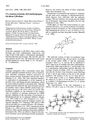 December 1998 in “Acta Crystallographica Section C-crystal Structure Communications”
 This study describes the molecular conformation and intermolecular interactions in the crystalline structure of the compound C24H31BrO4.
 35 citations
,
May 1986 in “Clinics in endocrinology and metabolism”
35 citations
,
May 1986 in “Clinics in endocrinology and metabolism” This study concludes that high skin 5α-reductase activity may contribute to hirsutism, but the specific regulatory mechanisms and genetic factors remain unclear.
 2 citations
,
December 1994 in “The Journal of clinical endocrinology and metabolism/Journal of clinical endocrinology & metabolism”
2 citations
,
December 1994 in “The Journal of clinical endocrinology and metabolism/Journal of clinical endocrinology & metabolism” This study concluded that a regimen of transdermal estradiol and oral medroxyprogesterone acetate effectively reduces hirsutism while minimizing side effects in women with polycystic ovary syndrome.
 6 citations
,
November 1980 in “Clinical Endocrinology”
6 citations
,
November 1980 in “Clinical Endocrinology” This study measured plasma testosterone glucosiduronate levels and found no overlap in those with hyperandrogenism compared to normal females, despite normal testosterone and dihydrotestosterone levels in half of the affected patients.
 December 2024 in “Turkish Society of Clinical Biochemistry”
 This study found that women with idiopathic hyperandrogenemia had higher urinary Bisphenol A levels compared to healthy controls, suggesting a potential role of this chemical in the condition.
 25 citations
,
June 2014 in “Journal of Endocrinology/Journal of endocrinology”
25 citations
,
June 2014 in “Journal of Endocrinology/Journal of endocrinology” This study found that local androgen biosynthesis and metabolism in human sebaceous glands play a crucial role in sebum synthesis and secretion.
19 citations
,
October 2019 in “Clinical and Experimental Dermatology” This study found that spironolactone significantly reduced pain, lesion count, and disease severity in patients with hidradenitis suppurativa, as reported in multiple patient cohorts.
845 citations
,
February 2001 in “The Journal of Clinical Endocrinology & Metabolism” This study identified the presence of the enzyme 1 alpha-hydroxylase in various extrarenal tissues, suggesting its potential role in modulating vitamin D function in peripheral tissues.
February 2009 in “Endocrinology” This study evaluated the use of oral DHEA for treating atrichia pubis and psychological distress in young females with central adrenal insufficiency but reports no new results.
 7 citations
,
May 2019 in “Journal of the Formosan Medical Association”
7 citations
,
May 2019 in “Journal of the Formosan Medical Association” This study found that overweight women with polycystic ovary syndrome carrying the HSD3B1 1245C allele had an increased presence of female pattern hair loss compared to those with the wild-type genotype.
4 citations
,
January 1991 in “Journal of dermatological treatment” This study found that GnRH-A treatment significantly reduced hirsuties scores in women with mild idiopathic hirsuties but did not affect hair growth rate or diameter.
 April 2019 in “Advances in integrative medicine”
 This study found that the highest rebound value in concrete with high volume slag occurs with 40% slag content, 10–20 mm basalt aggregates, and greater carbonation depth.
 January 2020 in “Nihon Yakuri Gakkai nenkai yoshishu”
 This study suggests that 5α-reductase-mediated metabolism of progesterone contributes to the differentiation of endometrial stromal cells, potentially influencing progesterone levels and promoting cell differentiation.
8 citations
,
June 2016 in “PubMed” This review discusses the use of finasteride for treating hidradenitis suppurativa and reports favorable outcomes in several cases, suggesting it could be an effective and safe option for certain patients.
 March 2018 in “Benha Journal of Applied Sciences”
 This study found that while prolactin and DHEA-S levels were higher in women with hirsutism compared to controls, there was no significant correlation between second to fourth digit ratio and hormonal profiles.
 17 citations
,
February 1989 in “Fertility and sterility”
17 citations
,
February 1989 in “Fertility and sterility” In this study, cimetidine at a daily dose of 1.5 gm for 3 months did not significantly affect hair growth in women with moderate to severe hirsutism.