 26 citations
,
March 2013 in “Journal of Biomedical Materials Research Part A”
26 citations
,
March 2013 in “Journal of Biomedical Materials Research Part A” This study demonstrated that PEGDA hydrogel microwells successfully supported cell survival and proliferation while mimicking hair follicle architecture in vitro, suggesting a potential tool for hair follicle engineering.
 September 2026 in “Mendeley Data”
 This study found that a polyurethane-cellulose acetate scaffold with plasma rich in growth factors may enhance gene expression related to wound healing in an experimental setting.
In this study, researchers developed a photocurable polyurethane resin for 3D printing, creating high-resolution elastomeric microwell arrays that effectively promote uniform spheroid formation and growth of A549 cells, which could aid in disease modeling and organoid research.
August 2025 in “Acta Biomaterialia” This study presents a novel hydrogel scaffold made from tilapia collagen, which when activated by ultrasound, reprograms macrophages to promote wound healing, enhance angiogenesis, and stimulate hair follicle regeneration, offering a potential new method for treating inflammatory wounds.
June 2026 in “Chemical Engineering Journal”  February 2025 in “Advanced Composites and Hybrid Materials”
 This study reported that in animal studies of androgenetic alopecia, a biodegradable microneedle patch releasing glutamic acid promoted hair regeneration more effectively than daily minoxidil, with higher hair follicle counts and less frequent dosing, showing the potential for clinical application.
2 citations
,
April 2024 in “Cosmetics” This study investigated non-laser methods for removing permanent makeup using plant extracts, testing their decolorization effects on mice through tattooing and electroporation techniques.
2 citations
,
December 2024 in “Journal of Photochemistry and Photobiology B Biology” This study suggests that pulsed wave photobiomodulation could be a promising treatment for androgenetic alopecia by enhancing dermal papilla cell function through specific light parameters, particularly frequency.
April 2025 in “Journal of Biophotonics” This study found that 808 nm laser photobiomodulation altered mitochondrial respiration and enhanced osteogenic protein expression in human dental pulp stem cells, with the effects being dose-specific and more pronounced at 15 J/cm².
 12 citations
,
January 2018 in “Biomaterials Science”
12 citations
,
January 2018 in “Biomaterials Science” This study observed that dermal papilla cell aggregates showed increased viability and gene expression on softer 3D substrates, indicating the importance of substrate stiffness in cellular behavior.
September 2016 in “Toxicology letters” The researchers reported that hydrogels made from methacrylated glycol chitosan and hyaluronic acid with chondroitin sulfate may be suitable for load bearing soft tissue repair, showing enhanced chondrocyte viability and metabolic activity.
May 2009 in “OPAL (Open@LaTrobe) (La Trobe University)” In this study, a transgenic mouse model suggested that suppressing the expression of the HGPS mutation may reverse disease symptoms, including skin abnormalities, supporting the potential for treatment development.
January 2023 in “Medicines” This study reported that using micronized-gingival connective tissues appeared safe and showed initial efficacy for reconstructing peri-implant soft tissues, suggesting potential as an alternative to traditional grafting methods.
2 citations
,
February 2012 in “PubMed” This study found that Gp₄G increased hair length, papilla cell numbers, and versican deposition in treated animals, potentially through alterations in hair follicle phases and nucleotide concentrations.
26 citations
,
December 1990 in “Journal of Biological Chemistry” In this study, elevated mRNA levels for serine-rich ultra high sulfur proteins were observed during active hair growth phases in mice, particularly in the forming hair structures and upper skin layers.
 April 2025 in “Antioxidants”
 In this study, the researchers found that the water-soluble fraction of Rhus semialata gall extract and its component Penta-O-Galloyl-β-D-Glucose promoted hair growth in human dermal papilla cells, and clinical trials supported these findings, showing improved hair density and appearance compared to placebo.
8 citations
,
January 2024 in “Regenerative Biomaterials” This study found that a novel bioceramic/alginate hydrogel with photothermal properties and multiple ion release effectively reduces infection and inflammation, and enhances osseointegration in early-stage peri-implant lesions, potentially improving dental implant survival rates.
February 2023 in “Default Digital Object Group” This study demonstrated that a single multimode fiber can be used for single-shot wide-field reflectance imaging, achieving high correlation with the ground truth and enabling real-time microendoscopy at up to 180 frames per second.
3 citations
,
September 2013 in “Journal of the American Academy of Dermatology” This report details two patients with Hutchinson-Gilford Progeria syndrome who exhibited generalized shiny skin in infancy and had a novel mutation in the LMNA gene.
1 citations
,
May 2025 in “European Polymer Journal” This study developed a multifunctional dressing with the MeGel-SFSR composition, which showed faster healing and better tissue regeneration in diabetic wounds compared to controls, by utilizing a herbal compound and enhanced mechanical support, promoting hair follicle regeneration, collagen deposition, reduced inflammation, and vascularization in vivo.
December 2000 in “日本組織細胞化学会総会プログラムおよび抄録集” January 2025 in “Journal of Controlled Release” This study developed a gas-propelled microneedle patch with puerarin/quercetin nanoparticles, which demonstrated improved hair-regenerating effects in an androgenetic alopecia mouse model by increasing drug delivery, alleviating oxidative stress, promoting angiogenesis, and rejuvenating senescent cells.
January 2010 in “Acta Laboratorium Animalis Scientia Sinica” This research reports that the ultra-high sulfur keratin promoter acts as a tissue-specific promoter in mouse hair follicles, as shown by induced expression of GFP and β-gal in that region post-transfection.
 2 citations
,
February 2023 in “Transgenic Research”
2 citations
,
February 2023 in “Transgenic Research” In this study, the presence of the HPV11-E2 protein in transgenic mice was found to increase and vary the expression of a reporter gene in hair follicle bulge regions.
 68 citations
,
March 2019 in “Advanced Healthcare Materials”
68 citations
,
March 2019 in “Advanced Healthcare Materials” This review assesses the benefits and limitations of various supramolecular hydrogels, including polymeric and peptide-based types, for wound healing, but reports no new clinical results.
 March 2023 in “International journal of pharmaceutical sciences review and research”
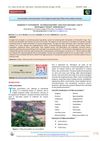
 In this study, an Emulgel containing Tridax procumbens extract was formulated and found to have promising physical properties and antimicrobial activity for wound healing.
 1 citations
,
June 2024 in “European Journal of Dentistry”
1 citations
,
June 2024 in “European Journal of Dentistry” This study found that human placenta extract may be a promising pulp-capping material, causing less intense chronic inflammation and thicker dentine bridge formation compared to mineral trioxide aggregate in dogs' teeth.
44 citations
,
January 2021 in “Research” This study explored the use of manganese-doped calcium silicate nanowire-incorporated alginate hydrogels (MCSA hydrogels) for treating melanoma and promoting wound healing, finding that these hydrogels effectively ablate melanoma under near-infrared irradiation and enhance vascular endothelial cell activity for tissue regeneration.
May 2023 in “Journal of Scientific Research” August 2026 in “Acta Biomaterialia”