23 citations
,
March 2019 in “Gene” In this study, researchers found that the evolutionary and structural features of the oFGF5 gene in sheep may influence hair follicle development and hair growth regulation.
73 citations
,
June 2006 in “Animal genetics” This study found that a missense mutation in the FGF5 gene is associated with hair-length differences among various dog breeds.
1 citations
,
October 2020 in “Research Square (Research Square)” This study identified a 505-bp indel variant in the FGF5 gene associated with cashmere growth in goats, which may serve as a molecular marker in cashmere goat breeding programs.
February 2014 in “PubMed” This study reports that high-purity rHFSCs with strong proliferation and high VEGF165 expression can be efficiently obtained, facilitating tissue engineering applications like artificial hair follicles and skin construction.
 13 citations
,
March 2020 in “Genes”
13 citations
,
March 2020 in “Genes” This study found that FGF5-/- rabbits exhibited a significant long hair phenotype by prolonging the anagen phase, suggesting FGF5 acts as a negative regulator of hair growth.
4 citations
,
September 2024 in “Development” This study investigated transcription factors in human trophectoderm cells during development, finding that GATA2 and GATA3 are essential for transforming stem cells into induced trophoblast stem cells, which display characteristics similar to placental progenitor cells, offering new methods for modeling placental-associated diseases.
 12 citations
,
January 2021 in “International Journal of Biological Sciences”
12 citations
,
January 2021 in “International Journal of Biological Sciences” This study generated a gene-edited cashmere goat with improved cashmere yield and fiber length by integrating VEGF at the FGF5 site, offering insights into hair growth mechanisms.
December 2020 in “Research Square (Research Square)” This study identifies a strong association between a 505-bp indel mutation in the FGF5 gene and cashmere growth in goats, suggesting potential use as a genetic marker in breeding programs.
This study found that the Arabidopsis thaliana protein Formin 2 localizes to plasmodesmata and is crucial for regulating their permeability by anchoring actin filaments, which affects virus susceptibility.
1 citations
,
May 2020 in “bioRxiv (Cold Spring Harbor Laboratory)” In this study, researchers identified a temperature-sensitive mutation in the FERONIA gene of plants that prevents root hair formation at elevated temperatures, highlighting its role in maintaining root hair growth and response to plant hormones.
17 citations
,
July 2022 in “BMC Genomics” This study found that overexpression of the FA2H gene in cashmere goats' hair follicle cells may enhance hair proliferation and regulate genes affecting cashmere fineness.
75 citations
,
September 2007 in “Journal of Heredity” This study found that mutations in the FGF5 gene are the primary genetic factor causing long hair in domestic cats through an autosomal recessive mechanism.
February 2023 in “Journal of Plant Physiology” In this study, overexpressing the cotton gene GhGT-3b_A04 in Arabidopsis thaliana enhanced resistance to Verticillium wilt but also inhibited rosette leaf growth.
1 citations
,
January 2019 in “British Poultry Science” This study found that specific genes related to vascular endothelial growth factors are critical for feather maturity in certain chicken breeds, identifying key genetic markers that could enhance breeding efficiency.
This study found that FGF5 alternative spliceosomes inhibit dermal papilla cell proliferation and regulate hair follicle growth-related gene expression, impacting hair follicle development in rabbits.
 45 citations
,
July 2009 in “Journal of human genetics”
45 citations
,
July 2009 in “Journal of human genetics” This study found that an SNP in the FGFR2 gene, rs4752566, was significantly associated with hair thickness in Asian populations, suggesting an effect on hair morphology through altered FGFR2 expression levels.
1 citations
,
April 1998 in “PubMed” 19 citations
,
November 2012 in “Cell Communication and Signaling” This study found that Fibroblast growth factor-9 (FGF-9) accelerates epithelial invagination in engineered ectodermal organs and suggests its potential role in organogenesis and regeneration research.
January 2026 in “Preprints.org” In this study, researchers identified four novel variants in the FGF5 gene associated with the long-haired phenotype in dogs, suggesting additional unexplored genetic factors contribute to this trait beyond the known Lh1-Lh5 alleles.
January 2011 in “Anhui nongye kexue” This study reports that the recombinant expression vector pcDNA3.1-KK demonstrates specific expression in the skin of newborn mice.
 4 citations
,
April 2019 in “Gynecological Endocrinology”
4 citations
,
April 2019 in “Gynecological Endocrinology” This study found that the rs 1570360 polymorphism and the T-G-C haplotype of the VEGF gene may be associated with a protective factor against polycystic ovary syndrome in a Brazilian population.
11 citations
,
October 2014 in “Gene” In this study, researchers characterized the FGF5 gene in Chinese Merino sheep, identified a new mRNA splicing variant, FGF5S, and noted its restricted expression in the brain, spleen, and skin.
 5 citations
,
June 2023 in “BMC genomics”
5 citations
,
June 2023 in “BMC genomics” This study found that a specific genetic mutation in the Fgf5 gene may contribute to the long-hair trait in Angora rabbits by reducing the binding capacity of the FGF5 protein.
 November 2025 in “PARIPEX-INDIAN JOURNAL OF RESEARCH”
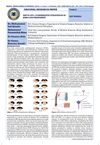
 GFC is more effective than PRP for treating hair loss.
28 citations
,
June 2023 in “Small” In this study, VVF was found to be a highly variable and unreliable measure of void space in granular scaffolds, sensitive to various input parameters and less predictive than particle count.
8 citations
,
October 2012 in “Transgenic Research” This study found that transgenic mice overexpressing human H-ferritin showed mild growth retardation and a temporary hairless phenotype, highlighting H-ferritin's physiological roles.
1 citations
,
January 2019 in “PubMed” This study found that transgenic mice expressing cgVEGF164 had increased hair follicle diameter and density, potentially linked to higher phosphorylation levels of ERK1/2, AKT1, and LEF1 proteins.
13 citations
,
November 2005 in “Endocrinology” This study explored the secretion and cellular localization of different forms of follistatin and FST-like-3, revealing variable secretion kinetics and possible intracellular roles, particularly for nuclear FSTL3.
15 citations
,
February 2021 in “Cells” This study concluded that using human umbilical cord blood mononuclear cells transfected with VEGF and FGF2 genes enhances skin wound healing in rats, demonstrating greater wound revascularization compared to controls.
7 citations
,
June 2017 in “Gene” This study found that ectopic expression of FGF5s in transgenic Chinese Merino sheep increased wool length and greasy fleece weight compared to non-transgenic controls.