 June 2024 in “Indian Dermatology Online Journal”
 In this study, 40% of alopecia areata patients using topical 2% tofacitinib ointment achieved greater than 50% improvement in hair regrowth after six months, showing significant efficacy compared to controls, with no serious adverse effects reported.

In this study, researchers analyzed over 5,000 T cells per sample using scRNA+TCR-seq technology and found that dual TCR Tregs are present in high proportions across various mouse tissues, showing unique TCR pairing patterns, V(D)J usage, and mRNA expression compared to single TCR Tregs.
May 2025 in “Journal of the European Academy of Dermatology and Venereology” This study found that 45.5% of alopecia areata patients treated with ritlecitinib 50 mg daily achieved significant hair regrowth, with most maintaining their response over 24 months.
 1 citations
,
September 2023
1 citations
,
September 2023 This study reported that the combination of tridax procumbens and ginger juice improved antioxidant activity and protected against liver damage induced by paracetamol in rats, suggesting a potent hepatoprotective effect.
July 2025 in “Clinical Medicine” In this institution-based randomized trial, oral betamethasone mini-pulse therapy for alopecia areata showed a faster therapeutic response compared to oral tofacitinib, as measured by trichoscopic changes and achievement of 50% hair regrowth.
 September 2023 in “Acta dermato-venereologica”
 This study observed that oral tofacitinib was effective and safe for treating alopecia areata in paediatric patients, with 82% of pre-adolescent participants experiencing hair regrowth and 64% showing significant improvement in their hair loss severity scores.
This case report highlights that Tjalma Syndrome may present as a main symptom of systemic lupus erythematosus and should be considered in patients with ascites, pleural effusions, and elevated CA-125 levels.
142 citations
,
November 2009 in “BMC Complementary and Alternative Medicine” This study supports the traditional use of T. procumbens for diabetes treatment, showing improvements in body weight and glucose tolerance with no toxicity signs in normal rats.
8 citations
,
August 2016 in “Journal of the European Academy of Dermatology and Venereology” Oral tacrolimus helped a rheumatoid arthritis patient regrow hair lost due to alopecia areata.
 November 2023 in “The journal of investigative dermatology/Journal of investigative dermatology”
 This study found that engineered high-affinity soluble CD200R agonists, including ARQ-234, showed superior efficacy in reducing immune responses in various preclinical models of inflammatory conditions, suggesting potential as a therapeutic for atopic dermatitis and other related diseases.
 2 citations
,
September 2021 in “Curēus”
2 citations
,
September 2021 in “Curēus” In this study, two patients with alopecia universalis continued using tofacitinib during active COVID-19 infection and showed no worsening of their illness, despite potential concerns about immunosuppression.
 22 citations
,
March 1932 in “Journal of the American Medical Association”
22 citations
,
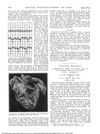
March 1932 in “Journal of the American Medical Association” This report describes eleven cases of thallium poisoning in individuals who consumed tortillas made from barley mixed with thallium sulphate, leading to symptoms including tingling, abdominal pain, vomiting, and limb weakness.
 7 citations
,
March 2021 in “Journal of the American Academy of Dermatology”
7 citations
,
March 2021 in “Journal of the American Academy of Dermatology” This study observed that some children and young adults with alopecia areata experienced flares during long-term tofacitinib treatment, despite initial successful hair regrowth.
 2 citations
,
September 2022 in “Dermatologic Therapy”
2 citations
,
September 2022 in “Dermatologic Therapy” In this study, tofacitinib showed a mixed response in treating refractory alopecia areata, with some patients experiencing complete or partial hair regrowth and others showing no response, particularly those with alopecia universalis.
 December 2022 in “Pakistan Journal of Medical and Health Sciences”
 This study found that Tofacitinib effectively improved hair regrowth in patients with Alopecia Areata, with most participants showing a significant change in their Severity of Alopecia Tool scores.
7 citations
,
March 2004 in “Journal of the American Academy of Dermatology” Tiger tail banding and hair abnormalities are reliable indicators for diagnosing trichothiodystrophy.
 9 citations
,
March 1989 in “The BMJ”
9 citations
,
March 1989 in “The BMJ” Adding diltiazem to a beta blocker can cause dangerously slow heart rates.
 July 2025 in “Journal of Cosmetic Dermatology”
 In this study, authors present a case where a 26-year-old patient with alopecia areata experienced relapse after initially responding to Tofacitinib, mitigated by corticosteroids, highlighting challenges and potential insights into the treatment and pathogenesis of the condition.
 May 2023 in “Jurnal Sains Insani”
 This study focused on Shaykh Abbas Kuta Karang, a prominent 19th-century Malay scholar, and his influential medical manuscript, Al-Rahmah fi al-Tib wa al-Hikmah, which documents traditional Malay medical knowledge spanning human anatomy, dietary principles, and treatments for various illnesses.
July 2021 in “Journal of dermatology & dermatologic surgery” In this study, two patients with severe alopecia areata who did not respond well to oral tofacitinib showed more than 50% hair regrowth after a single dose of intramuscular triamcinolone acetonide.
 April 2025 in “International Journal of Scientific Research in Science and Technology”
 This review explores the therapeutic potential and diverse pharmacological properties of the tree Tectona grandis, highlighting its anti-ulcerogenic, antihyperglycemic, antifungal, and other activities, as well as recent advancements in using its extracts for metal nanoparticle synthesis with antimicrobial applications.
 September 2022 in “XXXIX Congresso Brasileiro de Reumatologia”
 In this case report, a 42-year-old woman with cutaneous dermatomyositis showed significant improvement, including reduction of erythema, pruritus, and scaling, after starting JAK inhibitor tofacitinib, especially when conventional systemic treatments failed and intravenous immune globulin wasn't viable.
 May 2026 in “Indian Journal of Dermatology”
 In this study, oral tofacitinib was associated with significant hair regrowth in patients with alopecia areata, achieving over 50% reduction in Severity of Alopecia Tool scores, with mild side effects.
September 2025 in “Journal of the American Academy of Dermatology” Ritlecitinib may help treat alopecia areata by protecting hair follicles.
 2 citations
,
November 2022 in “Biosensors”
2 citations
,
November 2022 in “Biosensors” This study introduced a new spectrofluorometric method using a synthesized organic fluorophore to effectively analyze darolutamide and thalidomide in pharmaceutical preparations and biofluids.
 11 citations
,
November 2019 in “Journal of the American Academy of Dermatology”
11 citations
,
November 2019 in “Journal of the American Academy of Dermatology” This study suggests that oral tofacitinib may be an effective treatment for beard regrowth in men with alopecia areata of the beard, with a strong correlation observed between beard and scalp hair regrowth.
95 citations
,
September 2019 in “Brain” In this study, two patients with refractory juvenile dermatomyositis improved clinically and in disease activity after receiving the JAK inhibitor tofacitinib, showing potential effects in managing the condition.
November 2025 in “ACS Omega” This study found that compounds from *Tectona grandis* leaves showed moderate inhibition of steroid 5α-reductase, a factor in androgenetic alopecia, and exhibited anti-inflammatory properties by inhibiting nitric oxide and pro-inflammatory cytokines IL-1β and IL-6 in vitro, suggesting potential dual-action benefits for AGA management.
1 citations
,
July 2024 in “Journal of Investigative Dermatology” TAK-279 effectively reduces psoriasis symptoms and is safe.
5 citations
,
July 2019 in “Investigational new drugs” TLR7-based compounds may help manage chemotherapy-induced hair loss.