 1 citations
,
October 2025 in “Cureus”
1 citations
,
October 2025 in “Cureus” In this case report, a 30-year-old male with alopecia universalis and autoimmune conditions experienced treatment failure with JAK inhibitors, including ritlecitinib, and developed severe musculoskeletal pain, indicating a potential novel adverse effect that warrants further pharmacovigilance.
 1 citations
,
October 2025 in “Nano Research”
1 citations
,
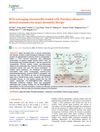
October 2025 in “Nano Research” In this study, researchers developed a dissolvable microneedle patch combining HA-TEMPO and Portulaca oleracea L.-derived nanoparticles, which effectively reduced oxidative stress and inflammation in an atopic dermatitis model while restoring immune balance, suggesting a promising treatment strategy.
 1 citations
,
October 2024 in “Dermatology Practical & Conceptual”
1 citations
,
October 2024 in “Dermatology Practical & Conceptual” In this double-blind randomized controlled trial, both rosemary extract lotion and 2% ketoconazole lotion were effective for treating scalp seborrheic dermatitis, but rosemary lotion reduced itching more significantly, while ketoconazole was more effective in reducing dandruff.
 1 citations
,
September 2024 in “IP Indian Journal of Clinical and Experimental Dermatology”
1 citations
,
September 2024 in “IP Indian Journal of Clinical and Experimental Dermatology” This source discusses the potential of topical JAK inhibitors, like tofacitinib, as effective treatments for autoimmune skin diseases, emphasizing their superior safety profile and minimal adverse effects compared to conventional systemic therapies.
 1 citations
,
January 2023 in “Research Square (Research Square)”
1 citations
,
January 2023 in “Research Square (Research Square)” In this report, a 61-year-old woman with vitiligo showed significant improvement after tofacitinib treatment but developed lung adenocarcinoma, highlighting potential cancer risks associated with JAK inhibitors.
 1 citations
,
April 2021 in “Journal of Investigative Dermatology”
1 citations
,
April 2021 in “Journal of Investigative Dermatology” This study found that laboratory and African spiny mice have distinct spatiotemporal patterns in wound-induced hair neogenesis, with the Twist1 pathway playing a central role in epidermal-dermal interactions for hair primordia formation.
 1 citations
,
September 2020 in “Actas Dermo-Sifiliográficas”
1 citations
,
September 2020 in “Actas Dermo-Sifiliográficas” This article discusses the underutilization of spironolactone in dermatology for conditions like acne, highlighting its potential benefits and good safety profile, but reports no new clinical findings.
 1 citations
,
April 2019 in “Clinical Breast Cancer”
1 citations
,
April 2019 in “Clinical Breast Cancer” This study found that in men with benign prostatic hyperplasia, 5-alpha reductase inhibitors significantly increased the risk of gynecomastia and breast tenderness compared to placebo or alpha-blockers.
 1 citations
,
August 2018 in “Journal of the American Academy of Dermatology”
1 citations
,
August 2018 in “Journal of the American Academy of Dermatology” This study found that vitamin D levels in children with autoimmune alopecia were often below optimal, but did not suggest a need for extra vitamin D screening beyond standard practices.
 1 citations
,
January 2018 in “PubMed”
1 citations
,
January 2018 in “PubMed” This study in Tehran found that, after adjusting for confounders, women with PCOS had no different risk of non-pregnancy after assisted reproductive treatment compared to women without PCOS.
 June 2026 in “Discover Immunity.”
 This review discusses current advancements in mesenchymal stem cell-based therapies for skin repair and rejuvenation, focusing on therapeutic strategies, particularly highlighting the potential of neonatal and placenta-derived MSCs, and reports no new clinical results.
 June 2026 in “Frontiers in Cell and Developmental Biology”
 This review outlines recent advancements in understanding how micro-RNAs (miRNAs) influence hair regeneration, highlighting their role in stimulating hair growth and potential therapeutic approaches, while also addressing the challenges of clinical translation due to miRNAs' complex roles and delivery issues.
 April 2026 in “Clinical Journal of Gastroenterology”
 In this case report, a woman with ulcerative colitis experienced clinical deterioration during upadacitinib therapy, which improved after discontinuation, strongly suggesting drug hypersensitivity to the Janus kinase inhibitor as a potential cause for her symptoms.
 March 2026 in “Clinical Cosmetic and Investigational Dermatology”
 In this case study, treatment with the selective JAK1 inhibitor upadacitinib significantly improved symptoms in a patient with refractory alopecia areata, vitiligo, ankylosing spondylitis, and allergic asthma-nasal syndrome, though a transient liver function abnormality was noted.
 February 2026 in “Frontiers in Immunology”
 This case report highlights significant improvement in a patient with severe alopecia areata who responded well to ivarmacitinib after a suboptimal response to another JAK inhibitor, tofacitinib, suggesting ivarmacitinib as a potential alternative for tofacitinib-refractory cases.

In this study, researchers used a mouse model to identify an adipocyte-to-fibroblast conversion pathway that promotes mast-cell recruitment and dermal fibrosis in atopic dermatitis, suggesting a potential therapeutic approach to block this process and reduce inflammation and fibrosis.
 January 2026 in “Frontiers in Drug Discovery”
 This study highlights that while advances in dermatology, such as biologics and JAK inhibitors, have improved treatments for conditions like atopic dermatitis and psoriasis, challenges remain, including issues with lasting efficacy and the need for more personalized therapies.
 December 2025 in “Dermatology Reports”
 This source describes vitiligo as a chronic condition marked by the loss of skin pigmentation and discusses leukotrichia, a feature affecting 10% to 60% of cases, which arises from melanocyte loss in hair follicles and appears as well-defined white patches on the skin.
 December 2025 in “Scientific Reports”
 In this laboratory study, α-mangostin was found to significantly reduce melanin content and downregulate pigmentation-related genes in cultured skin and B16F10 cells, suggesting potential application as a natural whitening agent in sunscreen development.
 November 2025 in “Bioscientia Medicina Journal of Biomedicine and Translational Research”
 In this case report, researchers describe a 44-year-old woman with refractory patch alopecia areata achieving complete hair regrowth using a multi-modal approach of systemic and topical cholecalciferol with microneedling, although systemic vitamin D repletion remains a significant confounder.
 November 2025 in “Clinical Cosmetic and Investigational Dermatology”
 This study evaluated the efficacy and safety of tofacitinib for treating severe alopecia areata in five patients, finding that three responded favorably with mild side effects, supporting its potential use based on existing research.

In this study, baricitinib treatment for severe alopecia areata was associated with complete hair regrowth after 12 months in two patients, suggesting it may be an effective alternative to traditional therapies, although safety and clinical implications need careful consideration.
 June 2025 in “International Journal of Science and Research (IJSR)”
 This study found that oral tofacitinib at a 5mg twice daily dosage was effective in treating recalcitrant alopecia areata, showing significant improvement in hair regrowth and a 27% reduction in SALT scores over six months, with minimal side effects among the 19 patients monitored.
 May 2025 in “Animal Bioscience”
 This study found that inhibiting prolactin secretion during the telogen phase can reduce the number of activated secondary hair follicles and the width of hair bulbs.
 January 2025 in “Balkan Medical Journal”
 Baricitinib helps regrow hair in severe alopecia areata and is safe, but more research is needed.
 January 2025 in “Вопросы современной педиатрии”
 This study discusses the role of Janus kinase inhibitors in treating severe alopecia areata, highlighting their potential to personalize treatment and improve patient quality of life, while addressing concerns about disease relapse after stopping treatment and the safety of long-term use.
 January 2025 in “Acta Dermatovenerologica Alpina Pannonica et Adriatica”
 This review discusses the promising role of JAK inhibitors in managing alopecia areata, reporting significant hair regrowth and acceptable safety profiles but noting the need for further research on dosing and long-term safety.
 December 2024 in “Research Square (Research Square)”
 In this phase I/II clinical trial, placenta-derived mesenchymal stem cell exosome therapy significantly improved hair density and diameter, and reduced hair loss in patients with androgenetic alopecia, though further large-scale studies are needed to confirm these results and investigate the underlying molecular mechanisms.
 September 2024 in “Journal of the Pakistan Medical Association”
 In this experimental study, laser irradiation significantly altered the gene expression of cytokines in cultured human T-cell lymphocytes, suggesting that such laser light may photobiomodulate cytokine production in vitro.
 September 2024 in “Drugs & Therapy Perspectives”
 In this study, ritlecitinib, an oral medication approved for adolescents and adults, significantly reduced scalp hair loss and promoted eyebrow and eyelash regrowth in severe alopecia areata patients, with benefits sustained over 48 weeks and generally well-tolerated minor side effects.