September 2023 in “Animals” In this study, researchers used proteomic and metabolomic analyses to explore hair follicle development in embryonic cashmere goats, identifying significant roles for the oxytocin signalling pathway and associated networks in this process.
 September 2023 in “Pharmaceuticals”
 This study found that nanoparticles containing minoxidil and betamethasone improved drug delivery to hair follicles, with lipidic nanoparticles significantly enhancing minoxidil and betamethasone penetration compared to control, making them a promising option for alopecia areata treatment with reduced side effects.
 August 2023 in “Bioengineering”
 This systematic review reports that bioprinting technology holds significant potential for improving patient quality of life by enabling personalized medical treatments, reducing organ transplant rejection risks, and accelerating skin tissue regeneration, although many advancements are still at the research stage.
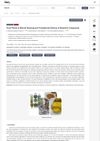
This review highlights the potential of plant-derived natural compounds as biocompatible and biodegradable materials in dermal and transdermal delivery systems, emphasizing their unexplored benefits and detailing recent advances in isolation techniques and drug delivery technologies.
This study found that an injectable calcium alginate-amelogenin hydrogel is biocompatible, degradable, anti-inflammatory, and promotes osteogenesis, which may enhance the bone healing process in jaw and facial bone defect areas by mediating the bone immune microenvironment.
This study demonstrated that the IVL-DrugFluidic® platform is effective for mass-producing finasteride-loaded polymeric microspheres for long-acting injectables, maintaining stable drug release without an initial burst for a month.
 January 2023 in “Journal of surgery and research”
 This article discusses various treatments for androgenetic alopecia and reports no new clinical results, noting the condition's aesthetic and psychological impact.
October 2018 in “Annals of Reviews & Research” This open-access journal publishes innovative research articles across various fields but reports no new clinical results in this summary.
13 citations
,
April 2021 in “International Journal of Molecular Sciences” This study found that the fermented black soybean product GR-SC65 reduced particulate matter-induced cell death and oxidative stress in A549 cells, suggesting potential as a therapeutic agent for lung injury prevention.
 1 citations
,
July 2022 in “PLOS ONE”
1 citations
,
July 2022 in “PLOS ONE” This study found that in Lichen Planopilaris, the Microbacteriaceae family was negatively correlated with IL-23 expression, suggesting a role in the disease's inflammation and microbiota composition.
 May 2026 in “International Journal of Molecular Sciences”
 In this study, a new formulation of human placental extract showed antioxidant and neurite outgrowth activities, significantly reduced hair graying in mice, and alleviated neuropathy symptoms, suggesting potential therapeutic benefits.
 January 2023 in “International Journal of Molecular Sciences”
 This review discusses the biologically active compounds in Maxillariinae orchids, highlighting 62 semiochemicals with medical potential, but reports no new clinical findings.
96 citations
,
April 2017 in “Oncotarget” This study found that nanoemulsions of different sizes vary in their ability to penetrate skin layers, with smaller sizes aiding transdermal delivery and potential applications in transcutaneous immunization.
88 citations
,
May 2024 in “Journal of Extracellular Vesicles” This scoping review found that while some small human pilot trials of extracellular vesicles as therapeutics showed promising outcomes, variability in study design and lack of placebo controls limit definitive conclusions about their safety and efficacy.
55 citations
,
August 2024 in “Heliyon” This review article highlights recent progress and challenges in stem cell transplantation for regenerative medicine, emphasizing its potential in tissue repair for conditions like bone and cartilage injuries, neurological disorders, and blood diseases, while stressing the importance of overcoming current obstacles for future advancements.
51 citations
,
October 2024 in “Pharmaceutics” This review highlights the potential of permeation enhancers to improve the delivery of active ingredients across the skin, optimizing therapeutic outcomes despite challenges posed by individual variability and environmental factors, according to the authors' analysis of current understanding and applications in skincare and transdermal therapies.
49 citations
,
October 2024 in “Frontiers in Immunology” In this review, the authors highlighted the potential of natural polysaccharides from plants, animals, and microbes to modulate immune responses, reduce inflammation, and strengthen the intestinal barrier, suggesting their promising role as immunomodulatory agents in pharmaceutical applications.
34 citations
,
November 2023 in “Applied Materials Today” This review discusses the potential of topical nanoemulsions to transform skin cancer treatment by improving drug delivery and minimizing side effects, highlighting their advantages like enhanced skin permeation and controlled release, despite existing challenges.
17 citations
,
January 2025 in “Journal of Nanobiotechnology” This review discusses the potential of bacterial extracellular vesicles in regenerative medicine, highlighting their advantages in addressing current EV challenges, and provides strategies for optimizing their preparation; it reports no new clinical results.
 16 citations
,
October 2023 in “Molecular cancer”
16 citations
,
October 2023 in “Molecular cancer” This study reviews the etiology and treatment of skin cancer, focusing on nanotechnology's role in addressing drug resistance and evaluating nanoparticles' potential to improve treatment outcomes, including overcoming multidrug resistance.
16 citations
,
January 2021 in “Frontiers in veterinary science” This study found no significant difference in hair cortisol concentrations, a chronic stress indicator, between sows in farrowing crates and those in loose-housing systems.
14 citations
,
September 2025 in “Gels” This review reports that sodium alginate-based hydrogels show promise in biomedical applications due to their biocompatibility and versatility, but challenges such as mechanical strength and stability remain, highlighting the need for continued research to facilitate their clinical transition.
13 citations
,
October 2022 in “Reproductive Biology and Endocrinology” This study demonstrated that hyaluronan gel is a promising biomaterial for 3-D in vitro culture of mouse ovarian follicles, supporting the production of fertilizable metaphase II oocytes.
13 citations
,
May 2021 in “FASEB bioAdvances” This review discusses plant-based alternatives to retinoids for dermal antiaging and hair health, highlighting roles for cytokinins and phytoestrogens and reports no new results.
12 citations
,
December 2023 in “Plant Communications” This study found that long-term exposure to high pH extends root hair elongation by altering actin filament arrangements and vesicle trafficking, but disrupting ADF8/11 function shortens root hairs by affecting these processes.
11 citations
,
November 2023 in “Journal of Functional Biomaterials” This study investigated nanocomposite scaffolds made from alginate, chitosan, and graphene oxide to promote the proliferation of spermatogonial stem cells, finding the ALGCS/GO30 scaffold to be particularly effective due to increased proliferation markers and PLZF protein expression compared to controls.
8 citations
,
March 2025 in “Journal of Drug Delivery Science and Technology” Dissolvable microneedles are a promising, painless method for effective skin treatments.
7 citations
,
December 2024 in “Antibiotics” This review discusses the potential of cathelicidins in treating skin conditions but highlights significant challenges, including unclear clinical efficacy, safety concerns, and bacterial resistance, that must be addressed for successful medical application.
7 citations
,
May 2024 in “Molecules” In this study, red rice was found to contain 87.2% carbohydrates, 9.1% proteins, and demonstrated bioactive properties due to its flavan-3-ol phenolic compounds, suggesting potential health benefits beyond its nutritional content.
6 citations
,
May 2021 in “Aesthetic Surgery Journal” This study found that intradermal injections of platelet-rich plasma were equally safe and effective for treating androgenetic alopecia, with higher platelet numbers possibly enhancing hair density and follicle diameter.