12 citations
,
September 2024 in “JID Innovations” This review highlights the potential of microfluidic skin-on-a-chip models in skin research, emphasizing their ability to mimic human skin structure and improve control over cellular and molecular distribution compared to traditional in vitro models.
 June 2020 in “Journal of Investigative Dermatology”
 This study observed that human primary adult hair matrix keratinocytes may have the potential to generate hair follicle organoids, suggesting possible applications in hair follicle neogenesis and preclinical hair growth agent screening.
 30 citations
,
February 2022 in “Stem Cell Reviews and Reports”
30 citations
,
February 2022 in “Stem Cell Reviews and Reports” This review of stem cell-based tissue engineering treatments in preclinical burn wound models reports promising improvements in skin repair, suggesting potential as an enhanced therapy for burn wounds.
 90 citations
,
October 1996 in “Dermatologic Clinics”
90 citations
,
October 1996 in “Dermatologic Clinics” This study found that red ginseng oil may enhance hair growth and protect skin from UV damage in mouse models by promoting regenerative processes and reducing inflammation.
 June 2026 in “Scientific Reports”
 This study identified hypericin and berberine as compounds that can support hair growth by enhancing oxytocin receptor expression and acting as an oxytocin receptor agonist, respectively, potentially serving as practical alternatives to oxytocin for treating hair-loss diseases.
4 citations
,
July 2025 in “Organoids” This review summarizes the state of organoid technology, highlighting its potential to transform biomedical research and regenerative medicine by providing accurate models for disease study, drug discovery, and potentially developing functional organs for transplantation.
 August 2026 in “Food Science and Biotechnology”
 This study found that Katsuwonus pelamis heart hydrolysates promoted hair growth in human dermal papilla cells, a 3D hair follicle organoid model, and C57BL/6 mice, suggesting its potential as a bioactive hair growth ingredient.
February 2026 in “Advanced Sensor Research” In this review, researchers examined advanced sensing technologies and bioelectronic interfaces that could improve understanding of the skin–brain axis, highlighting challenges and strategies for integrating these platforms into models for studying skin and neural interactions.
December 2025 in “Bioengineering” This review explains that dysregulated sebum secretion and composition contribute to acne and impaired skin barriers while highlighting factors like diet and hormones affecting sebaceous activity, and identifies novel molecular targets and model systems for future therapeutic developments.
8 citations
,
August 2022 in “BMC Veterinary Research” This study found that C57BL/6 mice and Sprague–Dawley rats show distinct distributions of eccrine sweat glands and hair follicles in their volar skin, suggesting these models should be selected according to research focus on skin appendages.
 8 citations
,
April 2019 in “ACS Biomaterials Science & Engineering”
8 citations
,
April 2019 in “ACS Biomaterials Science & Engineering” This study found that a new SIS-PEG sponge promoted rapid skin defect healing in mice and showed potential for reconstructing reconstituted skin with regenerated hair.
 January 2024 in “Biomaterials Research”
 This study found that human hair follicle dermal papilla cells cultivated as 3D spheroids in hexanoyl glycol chitosan-coated dishes formed hair-like structures, with minoxidil enhancing growth, and successfully integrated into artificial skin models, suggesting advancements for hair loss treatments and skin restoration therapies.
 February 2026 in “BMC Plastic and Reconstructive Surgery”
 This review suggests that induced pluripotent stem cells (iPSCs) hold promise for treating chronic wounds, but further work is needed to address safety, efficacy, and translation from preclinical models to real-world applications.
 21 citations
,
November 2022 in “Frontiers in immunology”
21 citations
,
November 2022 in “Frontiers in immunology” This article reviews sebaceous immunobiology and highlights the complex role of sebaceous glands and sebocytes in skin barrier function and inflammation, particularly in acne pathogenesis, but reports no new results.
 9 citations
,
October 2022 in “Nature Communications”
9 citations
,
October 2022 in “Nature Communications” In this study, researchers developed a new photoactivatable Cre recombinase mouse model, DiLiCre, which allows precise light-induced genetic modifications and cell tracing, demonstrating its effectiveness for advancing biological and biomedical research.
 76 citations
,
July 2019 in “Cellular and Molecular Life Sciences”
76 citations
,
July 2019 in “Cellular and Molecular Life Sciences” This article reviews the role of stem cells in tissue development, tumor formation, and organoid generation, and highlights the potential of epigenetic regulation in advancing regenerative medicine and cancer treatment, without presenting new experimental results.
 January 2026 in “Frontiers in Drug Discovery”
 This study highlights that while advances in dermatology, such as biologics and JAK inhibitors, have improved treatments for conditions like atopic dermatitis and psoriasis, challenges remain, including issues with lasting efficacy and the need for more personalized therapies.
18 citations
,
March 2023 in “Molecular Therapy — Nucleic Acids” In this study, adding CCL2 protein to organoid cultures helped adult skin cells regain the ability to self-organize and regenerate hair follicles, suggesting potential therapeutic applications.
 May 2024 in “Journal of Advanced Research”
 In this study, researchers found that the interaction between dermal papilla and endothelial cells decreases with age, affecting signaling pathways that promote hair regeneration and angiogenesis in mouse models.
 7 citations
,
February 2015 in “Journal of comparative pathology”
7 citations
,
February 2015 in “Journal of comparative pathology” This study observed that NSG-hu-BLT mice developed graft-versus-host disease characterized by CD8+ T lymphocyte-related cell death in the skin and liver, which may affect their utility in other research areas.
 October 2023 in “Scientific Reports”
 This study explored the effects of oxytocin on hair growth and found that it upregulated growth-promoting factors in dermal papilla cells and hair follicle organoids, suggesting potential for developing new alopecia treatments.
 9 citations
,
December 2020 in “International Journal of Medical Sciences”
9 citations
,
December 2020 in “International Journal of Medical Sciences” This article reviews the development and use of induced pluripotent stem cell models and artificial organoids for studying neurodevelopmental disorders, but it reports no new clinical findings.

This review explores the potential of regenerative cosmetics, specifically engineered skin tissues, for rejuvenating aging skin, healing wounds, and restoring hair, offering promising alternatives to traditional dermocosmetic treatments by promoting collagen production, reducing wrinkles, and regenerating hair follicles.
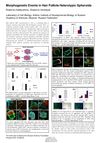
This study found that hyaluronic acid increased the size of hair follicle germ-like aggregates and the number of proliferative cells but did not maintain specific markers during the process.
23 citations
,
May 2023 in “Cell Proliferation” This review highlights the critical role of TGF-β and FGF signaling pathways in the development and regeneration of skin layers, particularly the dermis, and discusses their significance in advancing future clinical applications in dermatology.
September 2025 in “Immunological Reviews” This review describes how the skin can form its own immune response through dermal tertiary lymphoid organs, which function independently of traditional lymph nodes, potentially offering new insights into skin health care and treatments.
September 2023 in “Membranes” This source reviews the potential of 3D printing, biomaterials, and smart sensors in tissue engineering, noting their application in creating artificial membranes for skin and tissue regeneration and assessing their strengths and limitations for wound dressing development and disease modeling.

This study revealed that during avian skin development, complex tissue architecture results from specific cellular flows and mechanical processes that guide feather bud protrusion and elongation, with distinct differences noted in scale development, where rigidity restricts such transformations.
 28 citations
,
February 2019 in “Genes”
28 citations
,
February 2019 in “Genes” This review discusses the regulation and dynamics of the Wnt/β-catenin signaling pathway in development, pluripotency, and cancer, highlighting potential mechanisms and future research directions, but reports no new results.
 17 citations
,
December 2019 in “Stem Cell Research & Therapy”
17 citations
,
December 2019 in “Stem Cell Research & Therapy” This study found that their system effectively supports the rapid formation of human hair follicle organoids, providing a platform for studying hair regeneration and drug screening.