 September 2017 in “Journal of Investigative Dermatology”
 This study found that the expression levels of Siah1 and Siah2 in mice skin vary dynamically during postnatal hair follicle development, suggesting their specific roles in modulating the HIF pathway.
 13 citations
,
September 2018 in “Scientific Reports”
13 citations
,
September 2018 in “Scientific Reports” In this study, researchers found that microRNAs and specific target genes, such as MiR-195 and genes like CHP1, SMAD2, FZD6, and SIAH1, play significant roles in regulating hair follicle initiation in cashmere goats.
6 citations
,
March 2022 in “International journal of molecular sciences” This review explores the detrimental effects of sunlight on the skin’s circadian rhythm and photodamage, noting the potential of natural cosmeceuticals to influence this rhythm, but reports no new results.

This study found that an exosome formulation with plant extracts significantly increased hair regrowth in men with male pattern alopecia compared to a placebo, without notable adverse effects.
 115 citations
,
March 2019 in “Nature Communications”
115 citations
,
March 2019 in “Nature Communications” This study identified significant genetic associations with frontal fibrosing alopecia at four genomic loci, suggesting it is a genetically predisposed immuno-inflammatory disorder influenced by the HLA-B*07: 02 allele.
 25 citations
,
February 2014 in “British journal of dermatology/British journal of dermatology, Supplement”
25 citations
,
February 2014 in “British journal of dermatology/British journal of dermatology, Supplement” The authors concluded that intralesional triamcinolone acetonide may benefit patients with patch-type alopecia areata, but the evidence is limited due to small, bias-prone studies with variations in treatment protocols.
14 citations
,
January 2016 in “International Journal of Trichology” This study observed that many female pattern hair loss patients had concurrent conditions such as telogen effluvium, hypothyroidism, and hypertension, with a significant percentage having low Vitamin D levels.
 13 citations
,
January 2020 in “Experimental Dermatology”
13 citations
,
January 2020 in “Experimental Dermatology” This pilot clinical trial suggests that platelet-rich plasma (PRP) treatment may increase hair density in patients with androgenetic alopecia, though outcomes varied between patients.
 5 citations
,
January 2014 in “International Journal of Trichology”
5 citations
,
January 2014 in “International Journal of Trichology” Hair loss on the lower legs is common in middle-aged men, usually harmless, and doesn't need treatment.
 July 2026 in “Buletin Veteriner Udayana”
 In this case report, combination therapy effectively resolved chronic malasseziosis within 28 days in a small-breed dog from a Southeast Asian tropical climate, with significant symptom improvement and reduced Malassezia density observed by week 4.
 1 citations
,
September 2017 in “Journal of Investigative Dermatology”
1 citations
,
September 2017 in “Journal of Investigative Dermatology” The researchers reported that inhibiting 11β-HSD1 activity in human dermal papilla cells may reduce the negative effects of glucocorticoids on hair growth, suggesting potential treatment for stress-related hair loss.
 September 2017 in “Journal of Investigative Dermatology”
 This study suggests that sweat glands may have an immune privilege similar to hair follicles, and disruptions in this could contribute to autoimmune skin diseases.
 September 2017 in “Journal of Investigative Dermatology”
 This study suggests that the newly characterized sebocytic progenitor cells HSGC1 and HSGC2 from different skin sites may have proliferative and differentiating potential in response to DHT.
 September 2017 in “Journal of Investigative Dermatology”
 This study found that certain circulating miRNAs in skin and plasma may serve as potential biomarkers for distinguishing frontal fibrosing alopecia from control cases, highlighting the need for further validation in larger cohorts.
 September 2017 in “Journal of Investigative Dermatology”
 This study found that in AGA, the risk allele at locus 2q35 alters WNT10A expression through EBF1, suggesting a potential androgen-dependent regulatory mechanism.
 3 citations
,
November 2017 in “International Journal of Pharmacy and Pharmaceutical Sciences”
3 citations
,
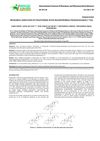
November 2017 in “International Journal of Pharmacy and Pharmaceutical Sciences” This study identified new oxidative derivatives of finasteride, including a newly discovered metabolite, by using the fungus Macrophomina phaseolina.
 January 2024 in “Sanjeevani Darshan National Journal of Ayurveda & Yoga”
 This study aims to evaluate the efficacy of a treatment approach called Sthanika Chikitsa, involving Shiro Lepa and specific herbal and nasal preparations, for managing Indralupta, a condition akin to Alopecia Areata characterized by hair loss. Results are not provided in the abstract.
 December 2023 in “Medical & Clinical Case Reports Journal”
 This case study reported significant hair regrowth in a young female patient with alopecia areata after 60 days of Ayurvedic treatment, including leech therapy and herbal medicines, demonstrating its potential effectiveness according to the authors' observations.
 December 2023 in “International journal of research in dermatology”
 This study found that using 'moha: 5-in-1' hair oil for 8 weeks significantly reduced hair fall, increased hair growth rate and thickness, and decreased scalp dandruff among healthy adults with alopecia, with no adverse effects reported.
 3 citations
,
September 2022 in “Frontiers in psychiatry”
3 citations
,
September 2022 in “Frontiers in psychiatry” This study found that stress and its related symptoms were highly prevalent among university students in Egypt during the third wave of the COVID-19 pandemic, with most reporting negative coping strategies.
 87 citations
,
May 2012 in “PLOS Genetics”
87 citations
,
May 2012 in “PLOS Genetics” This study found that early-onset androgenetic alopecia in individuals of European ancestry is significantly associated with increased odds of Parkinson's disease and is influenced by specific genetic loci, including some linked to reduced fertility.
 51 citations
,
September 2020 in “Cell Metabolism”
51 citations
,
September 2020 in “Cell Metabolism” This study highlights that the mammalian target of rapamycin complex 2 (mTORC2)-Akt signaling axis is essential for hair follicle stem cells to return to their niche and regenerate effectively by regulating metabolic pathways.
 24 citations
,
October 2016 in “Oncotarget”
24 citations
,
October 2016 in “Oncotarget” This study found that finasteride was associated with more reproductive adverse effects, including sexual dysfunction in men and fetal harm in women, compared to minoxidil in reported alopecia cases.
 22 citations
,
May 2021 in “Nature Communications”
22 citations
,
May 2021 in “Nature Communications” This study found that in wound-induced hair neogenesis, African spiny mice and laboratory mice exhibit different morphogenetic field formation patterns related to tissue stiffness, suggesting evolutionary developmental biology advantages.
 19 citations
,
January 2013 in “International journal of medical sciences”
19 citations
,
January 2013 in “International journal of medical sciences” In this study, overexpression of Wnt5a in mice was associated with the elongation of the telogen stage and inhibition of hair growth initiation, suggesting Wnt5a's role in maintaining hair follicle quiescence.
 18 citations
,
July 2014 in “Molecular Medicine Reports”
18 citations
,
July 2014 in “Molecular Medicine Reports” This study found that UVB radiation significantly alters miRNA expression and induces cytotoxicity and apoptosis in normal human dermal papilla cells.
 12 citations
,
April 2014 in “Molecular Medicine Reports”
12 citations
,
April 2014 in “Molecular Medicine Reports” In this study, transcriptome analysis identified 68 differentially expressed miRNAs in human dermal papilla cells treated with hydrogen peroxide, suggesting they play a significant role in growth arrest and apoptosis.
 11 citations
,
July 2015 in “Gene”
11 citations
,
July 2015 in “Gene” This study found that dihydrotestosterone (DHT) suppresses prostaglandin E2 and TGF-β induced IGF-I gene promoter activity in osteoblasts, suggesting complex interactions among bone growth regulators and potential complications from anabolic steroid use.
 4 citations
,
November 2017 in “Cancer Causes & Control”
4 citations
,
November 2017 in “Cancer Causes & Control” This study found that men with androgenetic alopecia at age 20 years may have a higher risk of developing aggressive prostate cancer, particularly advanced stage disease.
 1 citations
,
June 2025 in “Frontiers in Pediatrics”
1 citations
,
June 2025 in “Frontiers in Pediatrics” This study reports that systemic lupus erythematosus with aplastic anemia is rare in children but highlighted serious outcomes, including a high infection rate and significant mortality, underscoring the need for vigilant management.