 January 2024 in “International Research Journal of Ayurveda & Yoga”
 This study reports that in a single-case study, a 24-year-old female with alopecia areata experienced significant hair regrowth after undergoing seven sessions of Jalaukavacharana (leech therapy) along with Ayurvedic medication, suggesting these treatments may be beneficial for such cases.
 January 2024 in “International Research Journal of Modernization in Engineering Technology and Science”
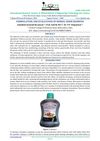
 This study formulated a poly-herbal shampoo using ingredients like hibiscus, neem, and alo-vera and evaluated its cosmetic properties, reporting positive organoleptic and physico-chemical characteristics, with the potential for safe use as a hair cleansing and conditioning product.
 January 2024 in “International Journal of Morphology”
 In this study, researchers observed that shikonin promotes wound healing in a mouse burn model by enhancing skin cell proliferation and fibroblast activity through the PI3K/AKT signaling pathway, suggesting its potential as a therapeutic treatment for skin injuries.
 January 2024 in “International Ayurvedic medical journal”
 This study explores how Ayurveda concepts, specifically Prakruti, relate to male pattern baldness, suggesting that individual constitutional types may predict susceptibility to earlier hair loss when influenced by modern lifestyle factors.
 January 2024 in “Seven Editora eBooks”
 This paper reviews various techniques for measuring the physical and mechanical properties of human hair fibers, emphasizing their importance in developing effective cosmetic products.
 January 2024 in “Biomedicines”
 This study found that a single injection of autologous cell micrografts significantly improved hair condition in women with androgenetic alopecia six months post-treatment.
 January 2024 in “JEADV clinical practice”
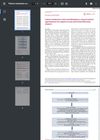
 This study reported high patient satisfaction with multidisciplinary shared medical appointments for alopecia areata and frontal fibrosing alopecia, with participants appreciating the educational and supportive group environment.
January 2024 in “Animals” In this study, researchers found that circERCC6, a circular RNA identified in cashmere goat hair follicles, helps activate secondary hair follicle stem cells, with its role dependent on specific m6A modifications that interact with miR-412-3p to regulate BNC2 expression.
 January 2024 in “Advanced Healthcare Materials”
 In a mouse model of androgenetic alopecia, this study developed a treatment combining a copper-curcumin nanoparticle oleogel with traditional Gua Sha therapy, which augmented hair regeneration more effectively than minoxidil by improving the follicular microenvironment and regulation of inflammatory responses.
January 2024 in “Open MIND” This study identified five genes with rare variants potentially involved in male pattern hair loss and found no significant genetic or epidemiologic link between MPHL and severe COVID-19.
 December 2023 in “bioRxiv (Cold Spring Harbor Laboratory)”
 This study found that targeting connective tissue sheath contraction with an MLCK inhibitor may improve hair growth in androgenetic alopecia by reducing premature hair regression caused by ectopic apoptosis of hair follicle progenitor cells.
 December 2023 in “Clinical, cosmetic and investigational dermatology”
 This study found that no-shave long hair-follicular unit excision using a skin-responsive device, without recess-tipped punches, yielded low graft transection and shaft break rates, improved procedure speed, and increased surgeon willingness.
 November 2023 in “British Journal of Dermatology”
 Mutations in the WNT10A gene cause Short Anagen Hair syndrome and increase the risk of male pattern hair loss.
 November 2023 in “Experimental Dermatology”
 In this study, researchers found that exosomes derived from dermal sheath cup cells (Exo DSCCs) improved proliferation, viability, and migration while reducing apoptosis in senescent dermal papilla cells, also enhancing hair follicle reconstruction and suggesting a potential strategy for combating senile alopecia.
 November 2023 in “Journal of Dermatological Science”
 This study found that ITGA6-positive dermal sheath cup cells, identified by their superior migratory activity, may enhance cell-based therapy for male and female pattern hair loss by promoting cell migration into hair follicles.
November 2023 in “Frontiers in Medicine” This study demonstrated a novel use of tape stripping on a human skin model to simulate the inflammation and barrier damage caused by dry razor shaving, highlighting potential shaving and skin-care formulations that may mitigate such damage.
 October 2023 in “International journal of research in dermatology”
 This study found that after using Mintop Shampoo for 10 wash cycles, significant improvements in hair detangling, combability, static reduction, shine, softness, smoothness, bounce, tensile strength, and percentage elongation were observed compared to the initial damaged state.
October 2023 in “Journal of advanced zoology” This study examined two cases of infertility treated with Ayurvedic methods, reporting successful conception in both cases: the first patient delivered a healthy baby via cesarean section, and the second is expected to deliver in August 2022.
 October 2023 in “Journal of the Endocrine Society”
 This case report highlights that Sheehan's syndrome can still occur in developed countries due to factors like migration and delayed diagnosis, with diabetes insipidus sometimes masked by adrenal insufficiency.
 September 2023 in “The Journal of Dermatology”
 In this study, injecting dermal sheath cup cells into affected areas of pattern hair loss improved hair thickness and patient-reported hair appearance in 62.9% of the participants, with better results in women, without serious side effects.
 September 2023 in “International Journal of Cosmetic Science”
 The researchers reported that adding specific combinations of hydrolyzed proteins to silicone-free shampoo improved hair conditioning properties by reducing friction and increasing surface adsorption and penetration into hair, compared to protein-free alternatives.
 September 2023 in “British Journal of Dermatology”
 This study found that WNT10A variants are associated with short anagen hair in children and may overlap genetically with male pattern hair loss.
 September 2023 in “International Journal of Cosmetic Science”
 The researchers observed that two non-antimicrobial shampoos caused a significant increase in fungal germs but did not affect the overall scalp microbiota diversity over two weeks, suggesting these formulations may preserve or stimulate the scalp microbiota without adverse effects.
 September 2023 in “Bioscience, biotechnology, and biochemistry”
 In this study, researchers observed that bacterial community structures on human scalp hair are unique to individuals and show consistent patterns across different sampling sites on the scalp, without significant variation between these sites.
 July 2023 in “Biodiversitas”
 In this study, researchers found that Sundanese mothers in a rural village in West Java frequently used 25 medicinal plant species, primarily from the Zingiberaceae family, during pregnancy, childbirth, and postpartum, with popular preparations including decoctions and cooking.
 July 2023 in “Clinical, Cosmetic and Investigational Dermatology”
 This study explains surgical techniques for hair transplantation using the sharp implanter method, emphasizing 11 key principles that optimize efficiency and precision, and reports high graft survival and natural hair density when these principles are followed.
 June 2023 in “Drugs & Therapy Perspectives”
 This study discusses treatment options for androgenetic alopecia, highlighting that while available therapies include approved and off-label pharmacological agents and non-pharmacological treatments, there is still limited evidence-based guidance on managing this common hair loss disorder.

In this study, researchers successfully cloned the KAP24.1 gene from sheep to analyze its expression in skin and hair follicles, finding that Mountain-type Hetian sheep showed the highest levels of expression and that androgen concentration significantly influenced KAP24.1 protein expression.
 May 2023 in “Jurnal Sains Insani”
 This study focused on Shaykh Abbas Kuta Karang, a prominent 19th-century Malay scholar, and his influential medical manuscript, Al-Rahmah fi al-Tib wa al-Hikmah, which documents traditional Malay medical knowledge spanning human anatomy, dietary principles, and treatments for various illnesses.
 May 2023 in “Journal of The American Academy of Dermatology”
 This correspondence outlines a research aim to evaluate the usefulness of laboratory testing for telogen effluvium to assist in forming evidence-based treatment guidelines, though results are not provided in the abstract.