 18 citations
,
January 2013 in “International Society of Hair Restoration Surgery”
18 citations
,
January 2013 in “International Society of Hair Restoration Surgery” This article discusses the importance of clinical biopreservation for cells and tissues in hair transplantation and regenerative medicine, reporting no new empirical findings.
16 citations
,
March 2025 in “International Journal of Molecular Sciences” This review analyzed 12 clinical studies on extracellular vesicle therapies, finding potential benefits for skin aging, acne scars, alopecia, and wound healing, but highlighted significant challenges like production standardization and lack of large-scale studies.
16 citations
,
January 2023 in “Regenerative Biomaterials” This study examined 3D-printed scaffolds coated with polydopamine and observed that they significantly enhanced osteogenesis and angiogenesis in vitro and in a rat cranium defect model, suggesting their potential for repairing large bone defects.
15 citations
,
September 2019 in “Science as Culture” This study discusses the rise of commercial direct-to-consumer stem cell therapies, highlighting how they are marketed as biomedical 'lifestyle' products that blend science, medicine, and consumer culture, despite ongoing safety and efficacy concerns.
 12 citations
,
April 2015 in “InTech eBooks”
12 citations
,
April 2015 in “InTech eBooks” Platelet Rich Plasma (PRP) shows promise for tissue repair and immune response, but more research is needed to fully understand it and optimize its use.
 11 citations
,
June 2012 in “Journal of Dermatological Science”
11 citations
,
June 2012 in “Journal of Dermatological Science” This article reviews how aging affects skin and stem cells, but it contains no new research findings.
10 citations
,
January 2013 in “Regenerative Medicine Research” This article discusses the potential for rejuvenating self-repair mechanisms to enhance regenerative medicine, but reports no new empirical findings.
 4 citations
,
January 2026 in “Cell Discovery”
4 citations
,
January 2026 in “Cell Discovery” This study introduced the concept of spatiotemporal clocks to understand how different phases of mammalian wound healing are coordinated, with a focus on the spatial domains and oscillatory molecular signals involved, while highlighting the potential for regenerative therapeutic strategies.
 2 citations
,
November 2023 in “Curēus”
2 citations
,
November 2023 in “Curēus” This review explores platelet-rich plasma's role in wound healing and discusses its potential as a broadly applicable therapeutic option, but it reports no new clinical results.
 1 citations
,
May 2018 in “The journal of investigative dermatology/Journal of investigative dermatology”
1 citations
,
May 2018 in “The journal of investigative dermatology/Journal of investigative dermatology” This meeting synopsis on the 66th Annual Montagna Symposium reports no new results but outlines discussions on precision dermatology, integrating molecular insights with clinical applications for personalized skin care.
 1 citations
,
January 2017 in “Elsevier eBooks”
1 citations
,
January 2017 in “Elsevier eBooks” This article reviews various hair growth and hair loss treatments, noting limited new developments since FDA-approved drugs but highlights recent cosmetic surgery and potential cell-based therapies; it reports no original findings.
1 citations
,
November 2025 in “Stem Cell Research & Therapy” This study developed immortalized human hair follicle-derived mesenchymal-like stromal cells (iHF-MSCs) as a consistent source of therapeutic secretome, reporting their superior immunomodulatory and regenerative performance, potentially advancing cell-free therapies for inflammation and tissue repair.
 1 citations
,
April 2023 in “Science Advances”
1 citations
,
April 2023 in “Science Advances” This study found that sustained ERK activity during tissue regeneration in spiny mice is linked to fibroblast growth factor and ErbB signaling, while inhibiting ERK shifted regeneration toward scarring.
 June 2026 in “Discover Immunity.”
 This review discusses current advancements in mesenchymal stem cell-based therapies for skin repair and rejuvenation, focusing on therapeutic strategies, particularly highlighting the potential of neonatal and placenta-derived MSCs, and reports no new clinical results.
 June 2026 in “Frontiers in Bioengineering and Biotechnology”
 This review outlines the transition from simple hair follicle organoids to immune-competent microphysiological systems, addressing limitations in replicating native hair follicle immune features and discussing their applications in disease modeling and regenerative medicine.
 May 2026 in “Frontiers in Cell and Developmental Biology”
 This review discusses hair follicle organoids as emerging models for studying hair biology and disorders, emphasizing their promise for bridging basic research and clinical applications, but reports no new results.
 April 2026 in “International Journal of Molecular Sciences”
 This narrative review highlights the need for diabetes-informed approaches to aesthetic dermatology as accelerated skin aging in diabetic patients complicates the safety and effectiveness of cosmetic procedures.
 April 2026 in “Journal of Pharmaceutical Investigation”
 This review discusses recent advancements in nanotechnology for treating hypertrophic scarring and atopic dermatitis, highlighting the potential of nanotherapeutic platforms in enhancing therapeutic effects by modulating the skin's microenvironment.
 January 2026 in “Cosmetics”
 This study highlights emerging regenerative strategies, such as stem cell-derived therapies and machine learning tools, that may advance hair loss treatment beyond traditional methods by promoting follicle regeneration and offering personalized care.
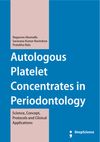
In this book, the authors provide an accessible overview of platelet concentrates and their dental applications, highlighting their role in tissue healing and regeneration, and reviewing recent studies on their efficacy in periodontal therapy, implant dentistry, and oral surgery.
 November 2025 in “Stem Cell Research & Therapy”
 This study suggests that human DSCCs may aid in hair follicle regeneration and reduce microinflammation, with potential applications in regenerative medicine evaluated through a new morphometric analysis.
November 2025 in “Advanced Science” In this study, researchers developed a polyphenol–amino acid nanozyme capable of controlled hydrogen peroxide delivery, which effectively activated hair follicles via oxidative stress in a mouse model, suggesting a potential non-pharmacological treatment for alopecia.
November 2025 in “Cosmetics” This review discusses the clinical efficacy, safety, and mechanisms of Autologous Micrografting Technology for androgenetic alopecia, reporting significant short-term improvements in hair density and thickness.
 July 2025 in “Advanced Science”
 In this study, researchers discovered two new signaling pathways that regulate how melanocytes establish pigment patterns in reconstituted hair-bearing skin, offering insights that could inform strategies to prevent hair greying.
 March 2025 in “International Journal of Pharmaceutical Research and Applications”
 This study highlights recent biological and technological strategies in anti-aging research aimed at delaying aging and related diseases, improving skin healing, and potentially restoring hair growth.
 January 2025 in “American Journal of Stem Cells”
 This review discusses the role of melanocyte stem cells in skin pigmentation and potential regenerative therapies, but reports no new clinical results.

This review explores the potential of regenerative cosmetics, specifically engineered skin tissues, for rejuvenating aging skin, healing wounds, and restoring hair, offering promising alternatives to traditional dermocosmetic treatments by promoting collagen production, reducing wrinkles, and regenerating hair follicles.
 July 2024 in “Journal Of Stem Cell Research”
 In this review, the authors highlight the crucial role of mesenchymal stem cells in dermatologic therapies, noting their potential to enhance skin structure and appearance through regenerative mechanisms like inflammation induction, angiogenesis, and recruitment of tissue-specific progenitors.
 June 2024 in “Stem cell research & therapy”
 This systematic review examined 64 randomized controlled clinical trials on regenerative medicine for specific dermatologic disorders, reporting up to 68.4% improvement in androgenetic alopecia and up to 71% improvement in vitiligo among 2888 patients.
May 2024 in “Regenerative Therapy” This laboratory study found that dendrobium officinale polysaccharide (DOP) stimulated hair follicle and hair growth in mice by activating the WNT signaling pathway.