1 citations
,
June 2018 in “World rabbit science” This study identified differentially expressed microRNAs between back and belly skin in Rex rabbits, highlighting their potential roles in skin development processes.
September 2017 in “Journal of Investigative Dermatology” LRIG1 protein affects hair growth by regulating skin receptors, leading to hair loss when overexpressed.
 8 citations
,
January 2022 in “Infectious diseases News Opinions Training”
8 citations
,
January 2022 in “Infectious diseases News Opinions Training” This review discusses gene polymorphisms in COVID-19 patients but reports no new clinical findings.
 6 citations
,
February 2025 in “Scientific Reports”
6 citations
,
February 2025 in “Scientific Reports” This study found that MEGA PROTAC improved the prediction of ternary structures with higher maximum DockQ scores compared to the BOTCP method in 16 out of 22 test cases.
January 2021 in “Research Square (Research Square)” This study found that long noncoding RNA profiles in Wan strain Angora rabbits may help understand the molecular mechanisms regulating hair follicle density, potentially influencing wool fiber production.
 3 citations
,
November 2022 in “Frontiers in molecular biosciences”
3 citations
,
November 2022 in “Frontiers in molecular biosciences” This study suggests that in mice, plasmalogens may enhance hair growth by activating TRPC4 channels, which increases calcium influx and subsequently stimulates AMPK in hair follicles.

This study introduces Kalya Research, an AI-driven tool designed to identify and categorize literature on complementary and alternative medicines, showing its effectiveness compared to Medline in finding relevant alopecia research within the context of breast cancer patients.
 1 citations
,
December 2022 in “bioRxiv (Cold Spring Harbor Laboratory)”
1 citations
,
December 2022 in “bioRxiv (Cold Spring Harbor Laboratory)” This study investigated pangolin skin genetics, finding that while sweat gland-related genes are not inactivated, several genes related to sebaceous gland function are, which highlights complex evolutionary adaptations in mammalian skin.
 November 2023 in “Journal of animal science/Journal of animal science ... and ASAS reference compendium”
 This study investigated differences in gene expression in the mammary glands of SLICK and wild-type Holstein cattle, finding limited differences overall but identifying enriched pathways related to arachidonic acid metabolism and oxytocin production, which merit further exploration.
4 citations
,
August 2022 in “Cells” This study found that the lncRNA lncRNA2919 is involved in hair follicle regeneration by downregulating growth-related genes, inhibiting cell proliferation, and promoting apoptosis in rabbit dermal papilla cells.
4 citations
,
June 2025 in “MedComm” This review detailed the significant progress and challenges in the design and application of PROTACs, a novel class of cancer therapeutics, highlighting their clinical trials, design complexities, and the role of artificial intelligence in improving their efficacy and selectivity for cancer therapy.
 June 2025 in “Biomolecules”
 In this study, researchers found that activating RORA in hair follicle stem cells reduced the expression of cytoskeleton-related genes, affecting cell migration and adhesion, which may aid in understanding hair follicle development and potentially inform alopecia treatments.
January 2013 in “International Journal of Biological Sciences” This study demonstrates that the CRISPR-Cas9 system can be used to successfully edit genes in large mammals, such as Cashmere goats, creating a valuable model for research on EDAR gene-related phenotypes.
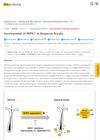
In this mouse model study, researchers observed that RIPK1 inhibitors delayed the onset of alopecia areata by modulating immune cells, specifically dendritic and CD8+ T cells, and increased hair length in organ culture mimicking the condition.
 6 citations
,
January 2010 in “Neoplasma”
6 citations
,
January 2010 in “Neoplasma” In this study, researchers found that shorter CA repeats in the ERbeta gene are correlated with PSA expression, and PSA immunoexpression is associated with increased disease-free survival in breast cancer.
July 2026 in “Journal of the American Academy of Dermatology” Ritlecitinib helps adolescents with severe alopecia areata regrow scalp hair and normalize body hair and nails.
 1 citations
,
June 2026 in “Dermato”
1 citations
,
June 2026 in “Dermato” This narrative review found that ritlecitinib shows consistent effectiveness and a favorable safety profile for treating alopecia areata in clinical trials and real-world settings, with progressive hair regrowth observed, particularly when treatment is initiated early and maintained appropriately.
 68 citations
,
July 2011 in “Journal of Biochemistry/The journal of biochemistry”
68 citations
,
July 2011 in “Journal of Biochemistry/The journal of biochemistry” This review discusses newly identified non-Edg family lysophosphatidic acid receptors, detailing their roles in vascular development, platelet activation, and hair growth, and reports no clinical results.
22 citations
,
October 2004 in “Journal of Investigative Dermatology” This study identified the rough coat mutation in mice, but found that LOXL is not the causal gene, although its downregulation might contribute to related phenotypic changes.
 277 citations
,
July 2002 in “Molecular Endocrinology”
277 citations
,
July 2002 in “Molecular Endocrinology” In this study, homozygous VDR null mutant mice exhibited nonfunctional vitamin D receptors, leading to growth abnormalities and revealing the limited physiological importance of vitamin D pathways outside the classical receptor.
2 citations
,
September 2025 in “Frontiers in Endocrinology” This review critically evaluates the evidence for SARMs' tissue selectivity and suggests their clinical benefits over traditional androgens are not yet well-supported by robust evidence, underscoring the need for further head-to-head trials.
14 citations
,
August 2015 in “Endocrinology” This study describes the development of a monoclonal antibody, 005-C04, which blocks PRLR-mediated signaling, suggesting its potential for furthering understanding of PRLR's role in health and disease.
 June 2026 in “Acta Pharmacologica Sinica”
 This review highlights how integrating medicinal chemistry with delivery science could transform the limitations of PROTACs—such as poor solubility and low cell permeability—into strengths, potentially advancing these compounds from experimental stages to clinical applications by optimizing their delivery and enhancing therapeutic efficacy.
53 citations
,
January 2013 in “Journal of toxicologic pathology” This publication provides a standardized nomenclature for classifying microscopic lesions in laboratory rat and mouse skin, aiming to harmonize international toxicological research.
25 citations
,
August 2017 in “Frontiers in Zoology” In this study, the researchers reported extensive gene loss and high pseudogenization rates of α-keratin genes in cetaceans compared to terrestrial mammals, likely linked to hair loss and aquatic adaptations.
1 citations
,
January 2018 in “International Journal of Clinical and Developmental Anatomy” This study highlights that including scalp dermoscopy in diagnosing patients treated with the Regenera® protocol revealed that expected outcomes were often overestimated for those with poor prognosis.
 October 2018 in “Current Opinion in Genetics & Development”
 The document emphasizes the importance of ongoing research and ethical considerations in genome editing and cellular reprogramming.
 4 citations
,
January 2011 in “Annals of Dermatology”
4 citations
,
January 2011 in “Annals of Dermatology” This article discusses the role of HR gene mutations in differentiating atrichia with papular lesions from alopecia universalis, but presents no new experimental results.
8 citations
,
March 2015 in “International Journal of Oncology” This study successfully established Tsc2-deficient embryonic stem cells from Eker rats and found these cells have distinct gene expression compared to non-mutant cells, which could help identify new therapeutic targets for TSC-related pathogenesis.
1 citations
,
October 2023 in “Heliyon” In this study, the researchers reported a new case of Hutchinson-Gilford progeria syndrome with a novel LMNA mutation and successful surgical intervention for airway obstruction.