8 citations
,
March 2015 in “Molecular Medicine Reports” This study found that para-phenylenediamine induces cytotoxic effects in normal human hair dermal papilla cells by altering microRNA expression and causing cell death, cell cycle arrest, and oxidative stress.
September 2025 in “Plants” In this study, the wood essential oil of *Juniperus morrisonicola* exhibited significant anti-inflammatory activity, notably inhibiting nitric oxide production in stimulated macrophages, and showed cytotoxic effects against liver cancer cells, suggesting its potential for drug development and eco-friendly applications.
 1 citations
,
June 2019 in “Journal of Biological and Scientific Opinion”
1 citations
,
June 2019 in “Journal of Biological and Scientific Opinion” This article highlights the health risks associated with adding paraphenylenediamine to mehndi, such as contact dermatitis and asthma, and emphasizes the need for regulatory checks as its use grows among cancer patients, women with alopecia, and pregnant individuals.
 15 citations
,
January 2020 in “RSC advances”
15 citations
,
January 2020 in “RSC advances” In this study, researchers developed a new Supported Ionic Liquid Phase palladium catalyst that showed effectiveness in aminocarbonylation reactions for synthesizing pharmaceutical compounds like CX-546 and a precursor of Finasteride, though results were sensitive to substrate variations and prompted palladium leaching concerns.
13 citations
,
November 2021 in “Frontiers in Molecular Biosciences” This review discusses the mechanisms of platinum-induced peripheral neuropathy related to reactive oxygen species and explores potential antioxidant therapies and nanotechnology approaches, but reports no new clinical results.
This study found that PIXE microanalysis effectively detected and quantified trace element changes in hair shafts, revealing a marked decrease in copper after treatment for green hair syndrome.
March 2026 in “Drug Testing and Analysis” This study observed that the degradation product PTeCA significantly increased in hair treated with oxidative cosmetics, suggesting it could be a reliable marker for detecting such treatments, with a proposed PTCA cut-off value using PTeCA as the gold standard.
 19 citations
,
July 2018 in “Medicines”
19 citations
,
July 2018 in “Medicines” This review highlights the pharmaceutical potential of secondary metabolites from Juniperus species, noting promising antitumor, antibacterial, and antiviral activities, but reports no new experimental findings.
 December 2023 in “Natural product research”
 This study found that compound 4 from Urtica triangularis subsp. pinnatifida exhibited stronger anti-BPH activity against BPH-1 cells with an IC50 of 79.75 μM compared to finasteride's IC50 of 91.8 μM, while compounds 1, 2, and 5 showed moderate activity.
1 citations
,
July 2020 in “Reviews in separation sciences” This study developed a simple method to determine finasteride, indapamide, and tiemonium methylsulfate in pharmaceuticals by using their ability to form silver nanoparticles measurable via spectrophotometry.
 13 citations
,
August 2007 in “Bioorganic & medicinal chemistry letters”
13 citations
,
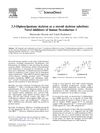
August 2007 in “Bioorganic & medicinal chemistry letters” This study developed a new competitive 5alpha-reductase inhibitor with an IC(50) of 0.84 microM using a novel chemical structure.
2 citations
,
January 1999 in “Dermatology” January 2024 in “Bioanalysis” 2 citations
,
May 1956 in “Journal of Investigative Dermatology” 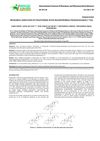 3 citations
,
November 2017 in “International Journal of Pharmacy and Pharmaceutical Sciences”
3 citations
,
November 2017 in “International Journal of Pharmacy and Pharmaceutical Sciences” This study identified new oxidative derivatives of finasteride, including a newly discovered metabolite, by using the fungus Macrophomina phaseolina.
 15 citations
,
January 2021 in “Cellular and Molecular Biology”
15 citations
,
January 2021 in “Cellular and Molecular Biology” This study found that Prosopis farcta is a rich source of phenolic compounds with strong antioxidant activity, suggesting its potential for use in food, beverage, feed, and pharmaceutical applications.
 4 citations
,
December 2014 in “European Journal of Chemistry”
4 citations
,
December 2014 in “European Journal of Chemistry” This study synthesized and characterized new 2-hydroxypyrrolidine/piperidine derivatives using FeCl₃·6H₂O as a catalyst, but it reports no biological or clinical results.
4 citations
,
December 2022 in “Evidence-based Complementary and Alternative Medicine” This study found that phenolic compounds from Quercus acutissima, particularly casuarinin, showed strong antioxidative, anti-inflammatory, and antiacne effects in mouse macrophage cells, suggesting potential therapeutic candidates for acne.
9 citations
,
June 2021 in “Journal of Inflammation Research” This study found that Euph E and Euri A showed strong anti-inflammatory activity and modulated cytokine and immune functions in macrophages, related to specific signaling pathways.
9 citations
,
March 2023 in “Chemosphere” This study found that exposure to certain pesticides may be associated with delayed sexual maturation in adolescent males.

This review discusses drug repositioning for cardiometabolic disorders and reports no new clinical findings; the authors emphasize its potential benefits, such as known safety profiles and reduced development costs compared to new drug development.
 51 citations
,
March 2006 in “Bioorganic & Medicinal Chemistry”
51 citations
,
March 2006 in “Bioorganic & Medicinal Chemistry” This study screened synthesized pyridinecarboxamides for antitumor properties and found that many, particularly 5c and 7a, showed moderate in vitro activity against various human tumor cell lines.
378 citations
,
February 2020 in “Nature Reviews Endocrinology”  205 citations
,
September 2018 in “Nutrients”
205 citations
,
September 2018 in “Nutrients” This review summarizes the volatile components, biological activities, and potential safety concerns of essential oils from various Curcuma species, but reports no new clinical results.
141 citations
,
May 2007 in “Cancer Research” This study found that CD34 is necessary for TPA-induced activation of hair follicle stem cells and tumor formation in mice, with CD34 knockout mice showing delayed and reduced tumor development compared to wild-types.
97 citations
,
December 2021 in “Cells” This review outlines key considerations for designing fluorescence microscopy experiments in cell biology, discussing the importance of hardware availability, suitability of biological models, and imaging agents to achieve high-resolution and informative images.
82 citations
,
January 2011 in “New Phytologist” This study demonstrated that AtVLN4 plays a role in root hair growth by regulating actin organization in a calcium-dependent manner.
75 citations
,
August 2018 in “Plant physiology” In this study, researchers found that increased hydrogen sulfide levels in Arabidopsis disrupted actin dynamics through S-sulfhydration, leading to the depolymerization of actin filaments and inhibited root hair growth.
72 citations
,
July 2022 in “Frontiers in Systems Biology” This review provides a comprehensive guide to the human microbiome and reports no new experimental results; it highlights the impact of modern lifestyles on microbial homeostasis and the necessity of conservation efforts.
70 citations
,
June 2023 in “International Journal of Molecular Sciences” In this review, researchers explored how air pollutants increase oxidative stress and inflammation in human skin, affect vitamin D synthesis, and interact with the skin microbiota, also discussing AhR/Nrf2 as a potential target for treating pollution-related skin conditions.