 2 citations
,
October 2021 in “Egyptian Journal of Chemistry”
2 citations
,
October 2021 in “Egyptian Journal of Chemistry” In this study, researchers used pumpkin aqueous extract to create iron nanoparticles, finding them effective at inhibiting harmful bacteria found in burn and wound infections, as well as promoting burn healing and hair growth in a laboratory mouse model.
 1 citations
,
May 2025 in “Natural Products and Bioprospecting”
1 citations
,
May 2025 in “Natural Products and Bioprospecting” In this study, PEVIII, a nanocomposite chitosan-coated vesicle containing both α-hederin and hederacoside C, demonstrated notable antibacterial activity against Pseudomonas aeruginosa in a keratitis model, showing significant lesion reduction, tissue improvement, and decreased bacterial load and inflammatory markers compared to other treatments.
 1 citations
,
June 2023 in “ScienceRise Pharmaceutical Science”
1 citations
,
June 2023 in “ScienceRise Pharmaceutical Science” This study explored a computer simulation method for selecting emulsion compositions in dermatology, finding that the PS biocomplex can be effectively used as an emulsifier or co-emulsifier, which streamlines the development process and reduces experimental demands.
9 citations
,
February 2024 in “mBio” This study found that biliverdin beta and delta, metabolites of heme, play a critical role in Pseudomonas aeruginosa iron acquisition and cooperative behaviors, which are crucial for the bacterium's long-term infection in cystic fibrosis patients, suggesting potential targets for new therapies.
 June 2022 in “Al-Qadisiyah Journal of Veterinary Medicine Sciences”
 This study found that 660 nm laser treatment and povidone iodine both eradicated Pseudomonas aeruginosa infection in mice wounds, with the laser enhancing healing, and the combination provided additive or synergistic healing benefits.
 October 2020 in “Veterinary Dermatology”
 This review discusses autoimmune blistering diseases across species and highlights new treatment efficacy findings and ongoing trials, but it reports no new clinical results.
 118 citations
,
May 2015 in “European journal of pharmaceutics and biopharmaceutics”
118 citations
,
May 2015 in “European journal of pharmaceutics and biopharmaceutics” This study found that the pH-sensitive hydrogel HECHA13, containing isoliquiritigenin, effectively inhibited the growth of Propionibacterium acnes and showed promise for transdermal delivery in acne treatment.
 2 citations
,
December 2021 in “Asian Journal of Beauty and Cosmetology”
2 citations
,
December 2021 in “Asian Journal of Beauty and Cosmetology” This study reported that a specific mixing ratio of Dendropanax extract and sea salt showed low cytotoxicity, high cell proliferation, anti-inflammatory, and antimicrobial effects, suggesting potential for functional cosmetics against hair loss.
 September 2025 in “Deleted Journal”
 This study found that in vitro environments simulating testosterone levels in elderly males, testosterone and its metabolite DHT significantly reduced macrophages' ability to phagocytize MRSA and Pseudomonas aeruginosa, suggesting AR manipulation and inhibiting testosterone-DHT conversion might help fight wound infections in the elderly.
2 citations
,
November 2025 in “International Journal of Molecular Sciences” This review highlights that the skin microbiota plays a crucial role in wound healing, with beneficial microorganisms aiding tissue repair and opportunistic pathogens hindering it, potentially guiding future microbiome-targeted therapies.
 February 2026 in “Journal of Microbiology and Biotechnology”
 This study reported that abietic acid, derived from pine rosin, showed antimicrobial effects and reduced biofilm biomass in laboratory tests against microorganisms like Staphylococcus aureus and Candida albicans, suggesting potential further applications for skin infections.
 205 citations
,
September 2018 in “Nutrients”
205 citations
,
September 2018 in “Nutrients” This review summarizes the volatile components, biological activities, and potential safety concerns of essential oils from various Curcuma species, but reports no new clinical results.
August 2025 in “Applied Sciences” This study found that peroxide-rich plasma-activated water caused minimal morphological damage to hair, while nitrate-rich plasma-activated water induced significant damage, especially in porous hair types.

This thesis explores how optical coherence tomography and advanced imaging methods may address clinical needs in fields like interventional pulmonology and dermatology, highlighting their potential for disease assessment and staging.
September 2025 in “Frontiers in Pharmacology” This study found that the meropenem-loaded spanlastic formulation showed strong potential as an effective topical therapy for bacterial skin infections in non-diabetic mice, demonstrating superior therapeutic activity and wound healing compared to free meropenem.
 4 citations
,
October 2022 in “Microbial Cell Factories”
4 citations
,
October 2022 in “Microbial Cell Factories” This study identified novel endophytic actinobacteria from the Citrullus colocynthis plant with antibacterial properties, suggesting potential for new antibiotic development against multi-drug-resistant bacteria.
 53 citations
,
April 2021 in “Cell Host & Microbe”
53 citations
,
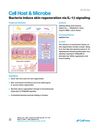
April 2021 in “Cell Host & Microbe” This study found that skin microbiota, particularly in wild-type mice, promotes wound-induced hair follicle neogenesis and wound healing, highlighting the potential downsides of routine antibiotic use on skin regeneration.
 January 2024 in “Biotechnology advances”
 This review highlights the importance of selecting high-quality bioassays in discovering bioactive compounds from marine sources, emphasizing their role in evaluating safety and efficacy during pharmaceutical, food supplement, and cosmetic development.
 January 2023 in “International Journal of Molecular Sciences”
 This review discusses the biologically active compounds in Maxillariinae orchids, highlighting 62 semiochemicals with medical potential, but reports no new clinical findings.
 March 2024 in “Journal of Pharmaceutical and Sciences”
 This study investigated the phytochemical composition and antibacterial and antioxidant activities of Zaleya pentandra extracts, finding high total polyphenol and flavonoid content and significant antibacterial effects, particularly in acetone extract, which may be suitable for developing antibacterial agents.
21 citations
,
February 2023 in “Pharmaceuticals” This study reports that extracts from pomegranate leaves contain bioactive compounds with antioxidant, antimicrobial, and skin-beneficial properties, suggesting their potential use in nutraceutical and cosmeceutical applications.
 29 citations
,
September 2020 in “International Journal of Molecular Sciences”
29 citations
,
September 2020 in “International Journal of Molecular Sciences” This review outlines the current state of freeze-dried platelet-rich plasma (FD-PRP) research, emphasizing its use in wound healing, lumbar fusion, knee conditions, and dentistry, but reports no new clinical findings.
 3 citations
,
September 2005 in “Experimental dermatology”
3 citations
,
September 2005 in “Experimental dermatology” This review discusses the formation and structure of the cornified cell envelope in the epidermis, highlighting biochemical pathways and genetic factors, but presents no new experimental results.
 1 citations
,
January 2016 in “Der pharmacia lettre”
1 citations
,
January 2016 in “Der pharmacia lettre” This study found that shampoo formulated with Eclipta alba extracts may promote hair growth and act as an antidandruff agent due to its antifungal activity against Malassezia.
 24 citations
,
November 2018 in “International Journal of Molecular Sciences”
24 citations
,
November 2018 in “International Journal of Molecular Sciences” This review discusses ethosomes as lipid carriers that enhance drug penetration into deep skin layers and underscores the need for advanced research on their pharmaceutical applications, but it reports no clinical outcomes.
 1 citations
,
September 2025 in “Scientific Reports”
1 citations
,
September 2025 in “Scientific Reports” This study reported that a colistin sulfate-loaded nanoemulgel showed improved antimicrobial activity and skin permeability compared to a CS solution, suggesting a potential new approach for treating severe infections caused by multidrug-resistant bacteria.
 112 citations
,
May 2019 in “Pharmacological Research”
112 citations
,
May 2019 in “Pharmacological Research” This review discusses the isolation, structure, and bioactivity of lignans and neolignans from 2016 to mid-2018, reporting no new clinical results but highlighting their potential protective properties against diseases such as cancer and neurodegeneration.
 1160 citations
,
November 2018 in “Physiological Reviews”
1160 citations
,
November 2018 in “Physiological Reviews” This review discusses the potential of single cell technologies to improve understanding and treatment of impaired wound healing and reports no new clinical results.
 235 citations
,
June 2021 in “International Journal of Molecular Medicine”
235 citations
,
June 2021 in “International Journal of Molecular Medicine” This review discusses five potential mechanisms for kidney stone formation, including urinary supersaturation, Randall's plaques, sex hormones, the microbiome, and immune responses, and reports no new results.
 150 citations
,
February 2013 in “Surgical Infections”
150 citations
,
February 2013 in “Surgical Infections” This review discusses the historical and modern use of silver for reducing infections and aiding healing in burns, wounds, and medical devices, noting its benefits and limitations in various applications.