 36 citations
,
January 2015 in “Dermatology”
36 citations
,
January 2015 in “Dermatology” In this study, bimatoprost solution showed better results than corticosteroid in terms of rapidity, percentage of hair regrowth, and side effects for treating scalp alopecia areata.
 41 citations
,
November 1993 in “Journal of The American Academy of Dermatology”
41 citations
,
November 1993 in “Journal of The American Academy of Dermatology” This study found that DPCP treatment led to cosmetically acceptable hair regrowth in 38% of patients with chronic severe alopecia areata, while adding 5% minoxidil showed no significant clinical benefit.
51 citations
,
May 2004 in “American journal of ophthalmology” This study reports that poliosis can be an adverse effect of topical prostaglandin F2α analog therapy in patients treated for primary open angle glaucoma.
49 citations
,
November 2013 in “JAMA dermatology” This study found that topical clobetasol propionate cream was more effective than hydrocortisone cream in reducing hair loss surface area in children with patchy alopecia areata over 24 weeks, with no serious adverse effects.
1 citations
,
May 2024 in “Journal of Pakistan Association of Dermatologists” This study found that topical calcipotriol was significantly more effective than topical tacrolimus in promoting hair growth for alopecia areata patients, demonstrating 67% efficacy compared to 33% efficacy with tacrolimus over a 6-month period.
 5 citations
,
December 2011 in “Drug Research”
5 citations
,
December 2011 in “Drug Research” This study found that cortexolone 17α-propionate showed strong topical antiandrogenic activity, outperforming progesterone and several known antiandrogens, but lacked systemic antiandrogenic effects in animal models.
February 2023 in “Reactions Weekly” 1 citations
,
June 2023 in “Jordan Journal of Applied Science - Natural Science Series” This study found that both topical minoxidil and latanoprost effectively improved hair regrowth in patients with alopecia areata, but minoxidil showed higher efficacy.
October 2017 in “Our Dermatology Online” This study reports that while DCP had similar treatment efficacy in propylene glycol and isopropanol for alopecia areata, the formulation in isopropanol was better tolerated.
21 citations
,
January 2007 in “Journal of the European Academy of Dermatology and Venereology” This study reports that periocular pigmentation may occur with the use of travoprost for treating alopecia areata of the eyelashes.
 38 citations
,
October 2014 in “British journal of dermatology/British journal of dermatology, Supplement”
38 citations
,
October 2014 in “British journal of dermatology/British journal of dermatology, Supplement” The study found that daily use of bimatoprost ophthalmic solution 0.03% for one year was effective in improving eyelash growth and patient satisfaction in both idiopathic and chemotherapy-induced hypotrichosis, with no serious drug-related adverse events reported.
16 citations
,
March 1996 in “PubMed” In this study, an 8-year-old girl with alopecia totalis experienced complete hair regrowth on the OMP regime after incomplete results with a previous treatment of oral betamethasone.

In this study, topical latanoprost acid applied daily for 6 months increased hair count and improved trichoscopic markers among women with hair loss, suggesting its potential for treating female androgenetic alopecia, particularly at a 0.05% concentration.
 June 2017 in “Journal of The American Academy of Dermatology”
 Tapinarof cream at 1% concentration is effective and better tolerated for treating atopic dermatitis than the 2% concentration.
 38 citations
,
March 2017 in “Expert Opinion on Investigational Drugs”
38 citations
,
March 2017 in “Expert Opinion on Investigational Drugs” This review examines the potential of bimatoprost for treating various types of eyelash and eyebrow hypotrichosis, discussing its pharmacological properties but providing no new clinical results.
 4 citations
,
September 2017 in “Dermatologic surgery”
4 citations
,
September 2017 in “Dermatologic surgery” This article contains no new research findings or results.
 1 citations
,
January 2015 in “Actas dermo-sifiliográficas/Actas dermo-sifiliográficas”
1 citations
,
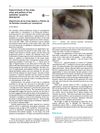
January 2015 in “Actas dermo-sifiliográficas/Actas dermo-sifiliográficas” Latanoprost eye drops caused excessive cheek hair growth and eyelash whitening in a woman.

This study found that CPA-loaded nanoparticles, particularly SLN formulations, increased CPA epidermal penetration compared to a conventional cream and may reduce side effects in treating androgen-dependent conditions.
May 2024 in “Journal of Pakistan Association of Dermatologists” In this randomized control trial, researchers reported that topical calcipotriol was more effective than topical tacrolimus in promoting hair growth for patients with alopecia areata over a 6-month period, with a statistically significant difference in efficacy.
1 citations
,
April 2022 in “Clinical Cosmetic and Investigational Dermatology” In this study, a case of lichen amyloidosis on the scalp significantly improved with a 2-month topical treatment using clobetasol propionate/all-trans retinoic acid ointment.
 8 citations
,
May 2010 in “Dermatologic clinics”
8 citations
,
May 2010 in “Dermatologic clinics” This review highlights recent advances in pediatric dermatologic treatments, including the use of propranolol for infantile hemangiomas and etanercept for plaque psoriasis, but it reports no new clinical results.
33 citations
,
November 2020 in “AAPS PharmSciTech”  1 citations
,
July 2023 in “Archives of dermatological research”
1 citations
,
July 2023 in “Archives of dermatological research” This study found that both 0.01% and 0.03% bimatoprost gel and 2% minoxidil gel significantly improved eyebrow density in individuals with hypotrichosis, with no significant difference between the treatments, although the highest bimatoprost concentration showed a more favorable response.
 7 citations
,
May 2018 in “Curēus”
7 citations
,
May 2018 in “Curēus” In this case report, a 60-year-old woman with eyebrow hypotrichosis experienced significant and lasting eyebrow growth after daily use of bimatoprost 0.03% solution, highlighting its potential as an effective treatment for eyebrow hair restoration.
 48 citations
,
November 2017 in “Journal of the American Academy of Dermatology”
48 citations
,
November 2017 in “Journal of the American Academy of Dermatology” Tofacitinib 2% ointment helped hair regrow in 3 out of 10 patients with alopecia areata, but caused side effects like scalp irritation and raised cholesterol in some.
2 citations
,
March 2022 in “Dermatologic Therapy” This study found that using topical latanoprost 0.005% solution significantly increased hair density and regrowth in patients with scalp alopecia areata over 12 weeks, although it did not significantly reduce hair loss area compared to the placebo.
 23 citations
,
April 2010 in “Clinical, cosmetic and investigational dermatology”
23 citations
,
April 2010 in “Clinical, cosmetic and investigational dermatology” This review discusses the cutaneous application of bimatoprost ophthalmic solution 0.03% for enhancing upper eyelash growth and suggests it is both safe and effective; no new clinical results are reported.
8 citations
,
October 2022 in “Dermatologic Therapy” In this study, the addition of topical latanoprost to betamethasone treatment improved the therapeutic efficacy for patients with patchy alopecia areata, showing more significant hair regrowth compared to minoxidil alone and enhanced outcomes without adverse effects.
 6 citations
,
January 2013 in “Experimental dermatology”
6 citations
,
January 2013 in “Experimental dermatology” This study found that bimatoprost, when applied daily at a 0.03% concentration, promoted significant hair growth in C57/black 6 mice, including earlier and faster regrowth of shaved fur.