June 2022 in “IP Indian journal of clinical and experimental dermatology” This study found that both intradermal platelet-rich plasma and topical minoxidil with finasteride resulted in similar hair growth improvement in patients with androgenetic alopecia over 12 months.
September 1998 in “Journal of the European Academy of Dermatology and Venereology” This study found that PUVA-turban therapy was a well-tolerated and potentially effective treatment for certain patients with severe, treatment-resistant alopecia areata, inducing hair regrowth in some cases.
1 citations
,
January 2024 in “Pharmaceuticals” The researchers reported that dPGS-PCL as a carrier improved the penetration of tofacitinib in an ex-vivo human skin model compared to free tofacitinib, but did not show significant differences in inhibiting IL-6 and IL-8 during short incubation.
 1 citations
,
June 2024 in “British Journal of Dermatology”
1 citations
,
June 2024 in “British Journal of Dermatology” In this case study, a woman with frontal fibrosing alopecia and associated hyperpigmentation showed significant improvement in skin pigmentation and itch after 9 months of treatment with mycophenolate mofetil, highlighting its therapeutic potential for lichen planus pigmentosus linked to this condition.
1 citations
,
January 2013 This review explores the therapeutic applications of bimatoprost, including its role in glaucoma treatment, hair growth stimulation, and potential effects on fat deposition, but reports no new experimental findings.
January 2026 in “European Journal of Therapeutics” In this study, researchers reported that applying topical 7.5% dapsone led to a significant decline in lichen planopilaris activity within a month and a sustained two-year remission in a patient intolerant to other treatments, suggesting dapsone as a promising alternative for managing this condition.
1 citations
,
January 1987 in “PubMed” This study found that a 1% 11a-hydroxyprogesterone lotion appeared to increase hair growth parameters in male androgenetic alopecia patients compared to untreated controls.
 June 2020 in “The journal of investigative dermatology/Journal of investigative dermatology”
 In this case report, a patient with early inflammatory linear morphea showed remarkable hair regrowth after treatment with topical creams, highlighting dermoscopy's value in diagnosis and monitoring disease progression.
July 2022 in “European Journal of Dermatology” In this study, researchers found that patients with psoriasis had a higher probability of achieving and maintaining a clinical response using brodalumab compared to ustekinumab over 52 weeks, as measured by a multistate modelling approach based on absolute PASI scores.
 January 2025 in “Dermatologic Therapy”
 This study found that adding low-dose oral minoxidil to standard treatment for lichen planopilaris was safe but did not significantly improve hair density or thickness, although minor hair regrowth was observed in some scarring areas.
 April 2017 in “Journal of Investigative Dermatology”
 This study found that SM04755, a novel topical drug, inhibited inflammation, keratinocyte proliferation, and fibrosis in vitro and improved skin health in a mouse model of psoriasis, indicating potential as a topical psoriasis treatment.
 7 citations
,
August 2009 in “The Journal of Rheumatology Supplement”
7 citations
,
August 2009 in “The Journal of Rheumatology Supplement” This study noted that combining oral acitretin with narrowband ultraviolet B therapy may reduce treatment time and dosages for psoriasis, potentially lowering the long-term skin cancer risk.
July 2022 in “Dermatologic Therapy”  January 2017 in “Nasza Dermatologia Online”
 This study found that both new and old formulas of DCP for treating alopecia areata resulted in similar hair regrowth, but tolerance was significantly better with DCP in isopropanol.
15 citations
,
January 2006 in “British Journal of Dermatology” This case study reports that the topical application of mometasone furoate ointment successfully reduced eruptions and promoted hair regrowth in a patient with amicrobial pustulosis.
39 citations
,
January 2017 in “Dermatologic Therapy” This study found that topical calcipotriol lotion resulted in hair regrowth in 59.1% of alopecia areata patients, with better response observed in those with lower serum vitamin D levels.
January 2021 in “Medical research archives” In this study, researchers examined a new propylene glycol-free 5% minoxidil lotion for 6 months among individuals with androgenic alopecia and found it demonstrated good clinical efficacy, with 74% showing a positive response, and very high cosmetic acceptability and tolerability, comparable to traditional formulations.
 23 citations
,
January 2010 in “Journal of The American Academy of Dermatology”
23 citations
,
January 2010 in “Journal of The American Academy of Dermatology” This article discusses the efficacy and safety of mycophenolate mofetil and hydroxychloroquine for treating lichen planopilaris and reports no new clinical results.
 1 citations
,
October 2025 in “Nano Research”
1 citations
,
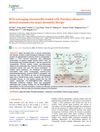
October 2025 in “Nano Research” In this study, researchers developed a dissolvable microneedle patch combining HA-TEMPO and Portulaca oleracea L.-derived nanoparticles, which effectively reduced oxidative stress and inflammation in an atopic dermatitis model while restoring immune balance, suggesting a promising treatment strategy.
January 2016 in “Çağdaş tıp dergisi” This article reports a case of alopecia areata that responded positively to treatment with topical 1% pimecrolimus.
 June 2024 in “International Journal of Research in Dermatology”
 This study found that combination therapy with PRP and minoxidil led to more significant improvement in androgenetic alopecia than either treatment alone, as confirmed by trichoscopic analysis.
 March 2014 in “Journal of The American Academy of Dermatology”
 Cortexolone 17a-propionate may be an effective new treatment for hair loss.
April 2026 in “Meditsinskiy sovet = Medical Council” In this study, clinical case reports of three patients with advanced plaque scalp psoriasis treated with combination therapy including betamethasone dipropionate cream showed symptom relief within 2–3 weeks, highlighting the effectiveness of this treatment approach for managing scalp psoriasis.
January 2018 in “International Journal of Medical Reviews and Case Reports” This study found that a 12-week topical application of bimatoprost 0.03% significantly increased the diameter of vellus hairs in patients with androgenic alopecia.
 February 2024 in “Journal of cutaneous and aesthetic surgery”
 This study reported that platelet-rich plasma therapy combined with intralesional triamcinolone acetonide was beneficial for patients with alopecia totalis, helping them reduce reliance on oral immunosuppressants.
14 citations
,
August 2014 in “Journal of the American Academy of Dermatology” This study found that topical diphenylcyclopropenone is an effective treatment for extensive alopecia areata, with significant hair regrowth reported in most patients, though effectiveness varied with disease characteristics.
 June 2020 in “Journal of Investigative Dermatology”
 This study of photobiomodulation therapy devices for androgenetic alopecia found variable improvements in hair grade across different skin types and devices, suggesting a need for larger, more comprehensive trials.
 August 2025 in “Indian Dermatology Online Journal”
 This study found that combining topical minoxidil with phototherapy significantly improved pigmentation and reduced vitiligo severity compared to placebo, as measured by VASI scores over 12 weeks, though the sample size was small and follow-up short.
 September 2025 in “Journal of Skin and Stem Cell”
 This study found that combining topical calcipotriol with intralesional autologous PRP injection significantly reduced Severity of Alopecia Tool scores in patients with alopecia areata, more effectively than either treatment alone.
 37 citations
,
February 2014 in “Journal of Dermatology”
37 citations
,
February 2014 in “Journal of Dermatology” This study found that topical valproic acid significantly increased hair count in male patients with moderate androgenetic alopecia compared to placebo over 24 weeks.