 1 citations
,
March 2023 in “Frontiers in Medicine”
1 citations
,
March 2023 in “Frontiers in Medicine” This meta-analysis found that topical prostaglandin analogs could significantly improve hair length and density in patients with hair loss, compared to placebo, without notable safety differences.
In this case report, topical application of fluocinolone acetonide acetate ointment increased hair length and thickness in three family members with congenital hypotrichosis.
 29 citations
,
March 1983 in “Journal of The American Academy of Dermatology”
29 citations
,
March 1983 in “Journal of The American Academy of Dermatology” This article reviews existing and emerging treatments for psoriasis, focusing on therapy modifications due to scientific advancements, but it does not report new clinical results.
 January 2025 in “ARC Journal of Clinical Case Reports”
 This case report suggests that using encapsulated retinol in polylysine may effectively treat actinic keratosis with minimal irritation, potentially providing a safer alternative for frequent use.
 30 citations
,
August 2009 in “Journal of the American Academy of Dermatology”
30 citations
,
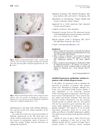
August 2009 in “Journal of the American Academy of Dermatology” This study found that while bimatoprost was safe for 16 weeks, it was not effective for eyelash growth in patients with significant loss due to alopecia areata, though some with less loss experienced growth.
 May 2015 in “Journal of The American Academy of Dermatology”
 Mycophenolate mofetil may improve symptoms and stop hair loss in Lichen planopilaris, but more research is needed.
 December 2024 in “Asian Journal of Pharmaceutical and Clinical Research”
 This study found that the combination of platelet-rich plasma with topical minoxidil and finasteride was more effective in treating androgenetic alopecia than the conventional minoxidil and finasteride therapy alone.
This study developed a novel protocol that demonstrated improved localized delivery of minoxidil to eyebrow application sites with minimal runoff, compared to a control formulation.
20 citations
,
March 2021 in “Drug design, development and therapy” This review summarizes the pharmacology, mechanisms, and clinical efficacy of topical immunotherapy for alopecia areata but reports no new clinical results.
20 citations
,
January 2003 in “Dermatology online journal” This review discusses the potential of prostaglandin analogs for hair growth and forms of alopecia, and reports no new clinical results.
April 2016 in “The journal of investigative dermatology/Journal of investigative dermatology” This study found that applying topical 6% gabapentin twice daily reduced disease activity and scalp pruritus in a patient with lymphocytic cicatricial alopecia, with no adverse effects reported.
58 citations
,
January 2015 in “Journal of the American Academy of Dermatology” Pioglitazone may help treat lichen planopilaris, but more research is needed.
109 citations
,
September 1999 in “Archives of Dermatology” This study found that the combination of fluticasone propionate and UV-A was much more effective for vitiligo repigmentation than either treatment used alone, with no significant adverse effects reported.
1 citations
,
January 2024 in “Dermatologic Therapy” This study found that combining excimer light at 308 nm with tacrolimus 0.1% was more effective in treating alopecia areata of the scalp compared to excimer light alone, as indicated by a greater reduction in the SALT score and better improvement in Treg function.
26 citations
,
January 2005 in “PubMed” This study reports that RU 58841-myristate, a new antiandrogen prodrug formulated with solid lipid nanoparticles, shows potential for targeting hair follicles in preclinical laboratory settings.
 March 2024 in “Journal of cosmetic dermatology”
 This study found that platelet-rich plasma may be more effective and satisfactory than topical clobetasol for treating lichen planopilaris over six months.
 1 citations
,
January 2022 in “Journal of Pharmaceutical Sciences”
1 citations
,
January 2022 in “Journal of Pharmaceutical Sciences” This study developed a stable, cosmetically appealing formulation for the topical delivery of the peptide FOL-005, enhancing skin permeation and maintaining stability by keeping the peptide solid and in a water-free environment with particle sizes under 10 µm.
 13 citations
,
July 2007 in “Pediatric dermatology”
13 citations
,
July 2007 in “Pediatric dermatology” In this case report, an ointment containing 1.24R-dihydroxyvitamin D3 was effective for treating follicular keratosis of the chin but did not provide lasting benefits after treatment ended.
15 citations
,
February 2011 in “Experimental Dermatology” This study found that in a mouse model, betamethasone dipropionate reduced epidermal thickness while fish oil unexpectedly increased it, validating optical coherence tomography as an effective measurement tool.
 51 citations
,
January 2012 in “Annals of dermatology/Annals of Dermatology”
51 citations
,
January 2012 in “Annals of dermatology/Annals of Dermatology” This case report describes a 7-year-old boy with alopecia areata and reduced vitamin D receptor expression whose condition improved after using calcipotriol, a strong vitamin D analog.
This case study reports that a pediatric patient with recalcitrant alopecia areata was treated using a 308 nm excimer lamp and topical tofacitinib 2% gel.
 21 citations
,
January 2015 in “Dermatologic Therapy”
21 citations
,
January 2015 in “Dermatologic Therapy” This letter discusses a case of erosive pustular dermatosis of the scalp linked to topical latanoprost use for androgenetic alopecia, but reports no clinical results.
 April 2017 in “Journal of Investigative Dermatology”
 In this study, the novel isoprenylcysteine analog SIG-1451 was shown to inhibit pro-inflammatory cytokine release in various cell-based assays relevant to allergic dermatitis, acting on targets such as IL-4 and IL-6 with potential anti-inflammatory benefits.
 2 citations
,
March 2021 in “Journal of Cosmetic Dermatology”
2 citations
,
March 2021 in “Journal of Cosmetic Dermatology” This pilot study found that among male androgenetic alopecia patients, 2.5 mg oral minoxidil with platelet-rich plasma led to higher patient satisfaction than 1.25 mg, though hair count improvements were not statistically significant.
January 2026 in “Saudi Journal of Internal Medicine” This narrative review suggests that while corticosteroids and Janus kinase inhibitors may be effective for treating ophiasis-pattern alopecia areata in both adults and children, the limited age-specific evidence underscores the need for further research to confirm their efficacy and safety across age groups.
 37 citations
,
January 2010 in “International Journal of Trichology”
37 citations
,
January 2010 in “International Journal of Trichology” In this 1-year study of patients with alopecia areata universalis, researchers found that 0.03% topical bimatoprost led to an acceptable cosmetic response in 43.24% of participants.
 14 citations
,
November 2009 in “Clinical and experimental dermatology”
14 citations
,
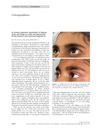
November 2009 in “Clinical and experimental dermatology” This article presents a case report of a child with coexisting alopecia areata and vitiligo showing improvement with topical prostaglandin E2 treatment, without reporting new clinical results.
 January 2010 in “Yearbook of Dermatology and Dermatologic Surgery”
 Topical latanoprost and bimatoprost ophthalmic solutions don't help eyelash growth in patients with alopecia areata.
 January 2021 in “International journal of basic and clinical pharmacology”
 This study found that hydroxychloroquine was less effective than betamethasone oral mini pulse therapy in managing alopecia areata, with patients on hydroxychloroquine experiencing score increases and more relapses at 24 weeks, though adverse event rates were similar between the groups.
 1 citations
,
June 2024 in “British Journal of Dermatology”
1 citations
,
June 2024 in “British Journal of Dermatology” In this case study, a woman with frontal fibrosing alopecia and associated hyperpigmentation showed significant improvement in skin pigmentation and itch after 9 months of treatment with mycophenolate mofetil, highlighting its therapeutic potential for lichen planus pigmentosus linked to this condition.