 22 citations
,
September 2019 in “ACS omega”
22 citations
,
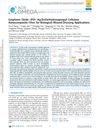
September 2019 in “ACS omega” This study found that AGO@HPC nanocomposite films demonstrated enhanced mechanical, anti-ultraviolet, and antibacterial properties, suggesting potential for use in antibacterial packaging and wound-dressing applications.
 November 2020 in “International journal of pharmaceutical compounding”
 This study developed and tested a finasteride suspension that retains over 94.3% of its initial concentration for up to 90 days at room temperature, finding no airborne finasteride exposure during formulation handling.
September 2015 in “OUKA (Osaka University Knowledge Archive) (Osaka University)” Poly(ethylene-co-vinyl alcohol) monoliths can be made using heat separation for various uses.
5 citations
,
April 2023 in “Pharmaceuticals” This study found that cubosomes combined with dissolving microneedles enhanced transdermal penetration and hair growth efficacy of beta-sitosterol for treating alopecia.
105 citations
,
April 2017 in “International Journal of Nanomedicine” In this study, ethosomes were found to improve the skin penetration of a model lipophilic drug more effectively than liposomes or hydroethanolic solutions, suggesting a unique mechanism involving the breakdown of vesicles in the skin.
August 2025 in “Marine Drugs” This study evaluated a new composite material made from PLA, ALG, ZnS, and HT for blood-contacting applications, finding it improved surface characteristics and displayed anticoagulant properties and high biocompatibility with no genotoxic effects on blood and skin cells.
1 citations
,
June 2021 in “International journal of pharmaceutical compounding” This study found that compounded minoxidil solutions in a propylene glycol-free and alcohol-reduced foam remained stable for 180 days, meeting United States Pharmacopeia standards for strength, pH, and antimicrobial effectiveness.
1 citations
,
September 2008 in “International Journal of Cosmetic Science” This study found that high-charge-density cassia HPTC improves deposition efficiency and conditioning benefits in shampoos compared to quaternized guar, suggesting its potential as an alternative or adjunct conditioning agent.
 December 2025 in “PubMed”
 In this study, researchers found that a propylene glycol-free and alcohol-reduced topical foam containing minoxidil and finasteride remained chemically, physically, and microbially stable for 180 days when stored properly at room temperature in light-resistant containers.
 1 citations
,
August 2023 in “Gels”
1 citations
,
August 2023 in “Gels” This study found that a chitosan-based hydrogel containing silver nanoparticles and ibuprofen demonstrated strong antibacterial activity and accelerated wound healing in vivo, suggesting its potential use in wound dressings.
1 citations
,
October 2025 in “Gels” This study demonstrates that pH-responsive nanogels designed with comb-like anionic polymers significantly improved oral delivery of the chemotherapy drug camptothecin, enhancing drug stability in acidic conditions and release in the intestines, with increased cellular uptake and cytotoxic effects against colorectal carcinoma cells.
2 citations
,
January 2019 in “Recent Advances in Biology and Medicine” This study found that a combination of 5% DMSO and BSA minimizes toxic effects on the cytogenetic stability of dermal papilla cells during cryopreservation.
2 citations
,
September 2024 in “Asian Journal of Pharmaceutics” This research discusses advancements in niosomal drug delivery systems, highlighting their promising potential to improve targeted drug delivery due to their ability to encapsulate various drug types efficiently, offering advantages over traditional liposome systems in terms of chemical stability and therapeutic efficacy.
32 citations
,
March 2009 in “AAPS PharmSciTech”  September 2018 in “Cosmetics”
 This study found that anisotropic osmolyte solutions may improve hair follicle turnover and condition in both in vitro and in silico models, as well as in human volunteers with hair disorders.

This research found that liposome drug delivery systems, particularly with targeted modifications, show promise for improving effectiveness and reducing toxicity in combination cancer therapies.
9 citations
,
April 1970 in “Biochemical pharmacology” This study found that stilbamidine and hydroxystilbamidine can inhibit the release of specific enzymes from lysosomes and mitochondria in rabbit liver at certain concentrations, with effects similar to cortisol and chloroquine.
 39 citations
,
November 2015 in “Nanomedicine”
39 citations
,
November 2015 in “Nanomedicine” This study found that the developed Finasteride-loaded SMEDDS improved the relative bioavailability of the drug compared to a commercial tablet, offering a promising oral delivery system for glucosteroid analogs.
 13 citations
,
October 2017 in “Bioorganic & Medicinal Chemistry”
13 citations
,
October 2017 in “Bioorganic & Medicinal Chemistry” This study found that compound 3, a tetrahydropyridoindole carboxymethylated at position 5, significantly inhibited sorbitol accumulation in both rat eye lenses and tissues affected by diabetes, indicating its potential as a lead compound for ALR2 inhibition.
42 citations
,
February 1996 in “Journal of Investigative Dermatology” This study found that spermidine, a polyamine, plays an essential role in hair growth in sheep follicles, while spermine is not required for normal follicle function.
51 citations
,
May 2004 in “American journal of ophthalmology” This study reports that poliosis can be an adverse effect of topical prostaglandin F2α analog therapy in patients treated for primary open angle glaucoma.

In this study, researchers developed a multifunctional hydrogel for wound healing, incorporating antibacterial and antioxidant properties that demonstrated significant inflammation reduction and tissue regeneration in animal models, with high antibacterial efficacy against E. coli and S. aureus.
65 citations
,
April 2007 in “Chemistry and Physics of Lipids” This study found that incorporating steroid hormones into DPPC liposomes altered their physicochemical properties, including size, zeta potential, and phase transition temperatures.
 1 citations
,
July 2019 in “Microscopy Today”
1 citations
,
July 2019 in “Microscopy Today” This source highlights the utility of cationic polymers in haircare products for protecting against hair damage from chemical treatments and grooming, and describes how microfluorometry can measure polymer deposition and penetration on hair fibers.
 19 citations
,
July 2006 in “Acta crystallographica”
19 citations
,
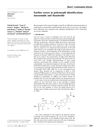
July 2006 in “Acta crystallographica” This study determined that previous reports mistakenly identified different polymorphs of furosemide and finasteride, which are actually identical, due to incomplete data collection in single-crystal X-ray diffraction analysis.
31 citations
,
September 2019 in “Acta Pharmacologica Sinica” August 2022 in “International journal of membrane science and technology” This study found that Finasteride may spontaneously diffuse into an SDS-based model cell membrane at a significant rate, with distinct behavior in polar and non-polar solutions.
20 citations
,
November 2012 in “Methods in molecular biology” This study proposes using superhydrophobic surfaces to reduce protein fouling and enable self-cleaning in microfluidic devices, detailing preparation and quantification methods for these coatings.
11 citations
,
November 2023 in “Journal of Functional Biomaterials” This study investigated nanocomposite scaffolds made from alginate, chitosan, and graphene oxide to promote the proliferation of spermatogonial stem cells, finding the ALGCS/GO30 scaffold to be particularly effective due to increased proliferation markers and PLZF protein expression compared to controls.
 July 2026 in “Pharmaceuticals”
 This review discusses the potential of marine-derived polysaccharide nanofibers as advanced wound dressings, highlighting their regenerative advantages in addressing inflammation, oxidative stress, and other healing barriers. However, it notes that clinical translation is limited by challenges in standardization, evidence, safety, and production scalability.