 70 citations
,
April 2014 in “Annales d'endocrinologie”
70 citations
,
April 2014 in “Annales d'endocrinologie” This review discusses the pathways of androgen biosynthesis and reports no new findings, highlighting the need to understand the interplay between the classic and backdoor pathways.
2 citations
,
October 2023 in “Philosophical Transactions of the Royal Society B Biological Sciences” This study identified novel isoforms of the PADI2 and PADI3 proteins, showing that PADI2β inhibits oligodendrocyte differentiation, possibly by opposing the effect of canonical PADI2, while PADI3β modulates the activity of PADI3α, suggesting new regulatory mechanisms of citrullination in tissue development.
49 citations
,
July 2000 in “Journal of Histochemistry & Cytochemistry” This study found cell-specific variations in POMC mRNA and peptide expression in murine skin, suggesting that PC1 and PC2 convertases contribute to differential POMC processing.
 August 2026 in “Tropical Journal of Pharmaceutical and Life Sciences”
 This study highlights that insulin resistance is a key pathological feature for individuals with PCOS, particularly those with obesity, affecting the response of specialized cells and leading to increased inflammation, regardless of Body Mass Index differences within the PCOS population.
4 citations
,
July 2024 in “Biomolecules” This review suggests systemic changes in polycystic ovary syndrome may increase the risk of neurodegeneration, potentially linking it to Alzheimer's disease through common pathways affecting tryptophan metabolism.
 65 citations
,
May 2010 in “Current Women's Health Reviews”
65 citations
,
May 2010 in “Current Women's Health Reviews” This review discusses oxidative stress's role in polycystic ovary syndrome and examines various biomarkers to understand its impact on the disorder's pathogenesis, but reports no new clinical results.
January 2025 in “Current Allergy and Asthma Reports”  October 2025 in “Communications Medicine”
 This study found that using a combination of genotypic and primarily phenotypic reanalysis significantly enhances the accuracy of molecular diagnoses in patients suspected of having monogenic diabetes.
January 2002 in “Chinese Journal of Pharmaceuticals” This study reports the preparation of a key intermediate for finasteride and epristeride with a 69% overall yield from pregnenolone acetate.
2 citations
,
October 2025 in “Cells” This review discusses the multifunctional role of PKM2 in promoting cardiac repair and regeneration, highlighting its potential as a therapeutic target in cardiovascular medicine, but reports no new experimental results.
 13 citations
,
October 2024 in “Scientific Reports”
13 citations
,
October 2024 in “Scientific Reports” In this study using data from young women in West Bengal, India, the researchers identified that leptin signaling impairment, insulin resistance, and specific gene mutations significantly contribute to PCOS, with obesity commonly manifesting in affected individuals.
 1 citations
,
March 2023 in “Colloids and surfaces. B, Biointerfaces”
1 citations
,
March 2023 in “Colloids and surfaces. B, Biointerfaces” This study reports that a collagen scaffold with p-Coumaric acid showed promising wound-healing effects in diabetic wound models by enhancing tissue regeneration and balancing collagen turnover.
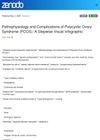 May 2026 in “Zenodo (CERN European Organization for Nuclear Research)”
 This infographic reviews the pathophysiology and complications of PCOS, illustrating how genetic and environmental factors contribute to its development, and highlights associated metabolic and neuroendocrine effects.
January 2016 in “Zurich Open Repository and Archive (University of Zurich)” This study concludes that dietary L-serine supplementation shows promise as a long-term therapy for hereditary sensory and autonomic neuropathy type 1, reducing neurotoxic 1-deoxysphingolipid levels and improving symptoms in severe cases.
26 citations
,
January 1992 in “Carcinogenesis” This study suggests that chronic treatment with TPA in mouse skin selectively expands a keratinocyte subpopulation hyperinducible for ODC, which may be a key target for neoplastic transformation.
16 citations
,
November 2011 in “Neuroscience Letters” This study reported that progesterone reduces cell death in hippocampal cultures following oxygen–glucose deprivation mainly through its conversion to allopregnanolone and the involvement of GABAA receptors.
 16 citations
,
August 2004 in “Tetrahedron”
16 citations
,
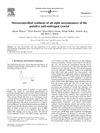
August 2004 in “Tetrahedron” In this study, all stereoisomers of cyoctol were synthesized and tested, revealing that contrary to initial patent claims, cyoctol does not function as an anti-androgen.
 March 2012 in “Journal of Pediatric and Adolescent Gynecology”
 This study found that while most adolescents with PCOS do not show overt diabetes, over half have insulin resistance, and ethnicity is a significant predictor of type 2 diabetes.
June 2026 in “Journal of Integrated Science and Technology” This review discusses the proposed shift from PCOS to PMOS, emphasizing a comprehensive approach to diagnosis and management, but reports no new clinical results.

This study identified ISPP-Rb, a novel immuno-stimulatory complex from Royoporus badius, that significantly activates murine macrophage cells and induces multiple proinflammatory cytokines.
12 citations
,
May 2023 in “Molecules” This study identified seven potential enzyme inhibitors from a Polygonum cuspidatum extract using ultrafiltration combined with high-performance liquid chromatography. These compounds showed inhibitory activity against tyrosinase, α-glucosidase, and xanthine oxidase, with most discovered in this extract for the first time.
January 2023 in “Zenodo (CERN European Organization for Nuclear Research)” This article reviews the polycystic ovary syndrome as a polyendocrine disease, detailing its etiology, pathogenesis, and research methods, but presents no new clinical results.
 December 2015 in “University of Birmingham Institutional Research Archive (University of Birmingham)”
 This study showed that regulation of adipose androgen generation via AKR1C3 may contribute to a cycle of hyperinsulinaemia and lipid accumulation in women with PCOS.
 April 2026 in “Tissue Engineering and Regenerative Medicine”
 This study found that the GPRC6A-Duox1 signaling pathway influences hair cycle progression and testosterone-mediated hair loss in mice, suggesting that disruption of this pathway leads to resistance against testosterone-induced hair loss and longer anagen phase duration.
32 citations
,
September 2018 in “Journal of pharmaceutical sciences” This study extended a skin diffusion model to include a porous pathway, effectively explaining the permeability of both polar and lipophilic solutes through the stratum corneum.
2 citations
,
August 2022 in “Middle East Fertility Society Journal” This study found that combining fructose and DHT in rats successfully mimicked the clinical phenotypes of non-lean PCOS, providing a novel rodent model for this condition.
November 2025 in “Phytomedicine” This study identified rhamnose as a compound that promotes hair growth by enhancing glycolysis and stimulating hair follicle regeneration, highlighting its potential use in alopecia treatment through animal and human organ culture models.
 26 citations
,
June 2016 in “Journal of Reproductive Immunology”
26 citations
,
June 2016 in “Journal of Reproductive Immunology” This study found that in women with polycystic ovary syndrome, xanthine oxidase activity is a useful marker for oxidative stress and is positively correlated with inflammatory markers and cardiovascular disease risk factors.
 7 citations
,
March 2017 in “Medical Hypotheses”
7 citations
,
March 2017 in “Medical Hypotheses” This study suggests that dysfunctions and altered expression of aquaporins may play a role in PCOS-related disorders, potentially impacting folliculogenesis and integrating with the insulin-dependent hypothesis of PCOS pathogenesis.
 June 2024 in “Research Square (Research Square)”
 This study found that among young women in West Bengal, India, co-occurring PCOS and related conditions like estrogen resistance and leptin receptor insufficiency are common, with notable genetic variations identified, including impairments in leptin signaling and insulin resistance.