 164 citations
,
January 2014 in “Journal of Cutaneous and Aesthetic Surgery”
164 citations
,
January 2014 in “Journal of Cutaneous and Aesthetic Surgery” This study found that PRP injections may improve hair density and reduce hair loss in patients with androgenetic alopecia without significant side effects, but further research is needed to confirm efficacy.
34 citations
,
January 2022 in “Human Reproduction Open” This study found no clinically significant effects of intraovarian injection of platelet-rich plasma on ovarian function over one year in patients with extremely low functional ovarian reserve.
 5 citations
,
March 2018 in “Clinics in Dermatology”
5 citations
,
March 2018 in “Clinics in Dermatology” This study found that combined platelet-rich plasma injections and suture embedding significantly improved scalp thickness, blood flow, and hair diameter in patients with androgenetic alopecia.
July 2026 in “Current Medical Issues” In this study, using EMLA cream did not adequately control pain during and after scalp PRP injections for androgenetic alopecia, with anxiety and younger age linked to higher pain levels.
October 2024 in “Cosmetics” This study found that while most women reported aesthetic improvement after PRP facial injections, objective skin analyzer data showed no significant changes, but midface volume improvement was more likely in those with lower platelet counts and higher estradiol levels.
 February 2021 in “Revue médicale de Liège”
 This article reviews the use of autologous platelet-rich plasma injections for androgenetic alopecia, discussing its methodology, mechanisms, and some initial clinical results, but it reports no comprehensive efficacy data.
 August 2020 in “Actas Dermo-Sifiliográficas”
 This study found that platelet rich plasma injections led to a 19.17% increase in hair density in males with androgenetic alopecia, although response did not correlate with age or duration of the condition.
1 citations
,
December 2021 in “Journal of Cosmetic Dermatology” This study observed that COVID-19 is associated with accelerated androgenetic alopecia, and platelet-rich plasma treatment showed improvement in hair loss after infection.
8 citations
,
January 2020 in “Indian Dermatology Online Journal” In this study, PRP injections showed comparable effectiveness to triamcinolone for alopecia areata, with a significant decrease in SALT score at one interval, and 12.5% of patients in the PRP group experienced excellent hair regrowth compared to none in the triamcinolone group.
July 2023 in “Journal of Pakistan Association of Dermatologists” PRP injections are more effective than triamcinolone for treating alopecia areata.
 25 citations
,
July 2017 in “Journal of Stomatology, Oral and Maxillofacial Surgery”
25 citations
,
July 2017 in “Journal of Stomatology, Oral and Maxillofacial Surgery” This review suggests that PRP injections may be effective in promoting hair regrowth, reducing hair loss, and increasing hair thickness in patients with androgenic alopecia.
 October 2025 in “Infection Control and Hospital Epidemiology”
 This article discusses developing a standardized operating procedure for PRP administration to align with infection prevention regulatory standards and reports no new clinical results.
 February 2022 in “Journal of clinical research and reports”
 This article discusses the potential uses of plasma therapy for various conditions, including wound healing and Covid-19, but presents no new clinical findings; the authors highlight its increased demand since the Covid-19 outbreak.
 June 2023 in “Skin Research and Technology”
 This study concluded that, in male patients with mild-to-moderate androgenetic alopecia, injections of PRP prepared by an automated method combined with topical 5% minoxidil were effective and safe, showing superior clinical efficacy and patient satisfaction compared to PRP alone.
March 2024 in “International Journal of Rheumatic Diseases” This case report describes successful wound healing in a patient with chronic gout and tophaceous ulcers following platelet-rich plasma therapy, highlighting its potential effectiveness in treating non-healing wounds.
 40 citations
,
February 2020 in “Experimental and Therapeutic Medicine”
40 citations
,
February 2020 in “Experimental and Therapeutic Medicine” This study found that autologous serum platelet-rich plasma improved skin quality and reduced wrinkles, texture, and pores in healthy females, partly by regulating the expression of MMP-1, tyrosinase, fibrillin, and tropoelastin.
 33 citations
,
January 2017 in “Journal of Cutaneous and Aesthetic Surgery”
33 citations
,
January 2017 in “Journal of Cutaneous and Aesthetic Surgery” This study found that PRP injections improved hair density, quality, and thickness in males with androgenic alopecia compared to placebo, with reported high patient satisfaction and no major side effects.
 9 citations
,
September 2019 in “Journal of Cosmetic Dermatology”
9 citations
,
September 2019 in “Journal of Cosmetic Dermatology” This study found that platelet-rich plasma injections significantly increased hair density in men with androgenetic alopecia compared to placebo, but further research is needed to understand factors influencing treatment success.
April 2026 in “International Journal of Dermatology” This review explores the potential links between PRP treatments for hair loss and scalp skin cancer risk, finding current evidence supports PRP's safety but emphasizes the need for further studies and routine monitoring.
January 2019 in “11th World congress for hair research” 3 citations
,
August 2024 in “European journal of medical research” This study developed an evidence-based informed consent form for PRP injections that was legally validated and implemented in a medical institution.
 1 citations
,
December 2021 in “JAAD case reports”
1 citations
,
December 2021 in “JAAD case reports” This review discusses recent advancements in treating alopecia areata, highlighting the promise of Janus kinase inhibitors and platelet-rich plasma therapy, but it reports no new clinical findings.
 September 2025 in “Journal of Cosmetic Dermatology”
 This study found that both PRP injections and microneedling treatments significantly improved hair count and thickness in patients with androgenetic alopecia, without significant differences between the two methods. Microneedling also enhanced patient satisfaction and treatment tolerance.
May 2024 in “Open Access Journal of Disease and Global Health” This qualitative study reported that platelet-rich plasma treatments improved patient satisfaction and quality of life by enhancing facial texture and hair quality, supporting PRP as a viable option for conditions like alopecia and skin rejuvenation.
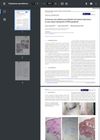 June 2023 in “Journal of cosmetic dermatology”
 This case report highlights a patient who developed cutaneous sarcoidal lesions at the site of platelet-rich plasma injections after COVID-19 infection and vaccination, suggesting possible immune system involvement.
87 citations
,
February 2019 in “Tissue Engineering Part B Reviews” This review discusses the antibacterial properties of platelet-rich plasma (PRP) and summarizes existing preclinical and clinical research on its use for preventing and treating wound and bone infections, but presents no novel data.
 1 citations
,
October 2024 in “Cureus”
1 citations
,
October 2024 in “Cureus” This review suggests that platelet-rich plasma injections may be an effective treatment for greater trochanteric pain syndrome, but emphasizes the need for more high-quality trials to confirm these findings.
1 citations
,
October 2021 in “QJM: An International Journal of Medicine” This study found that platelet-rich plasma prepared using a double-spin method may be more effective for treating female pattern hair loss than single-spin PRP, although VEGF concentration was unaffected by either preparation method.
1 citations
,
August 2021 in “Journal of The American Academy of Dermatology” This study investigates the effects of ice cooling and vibration on reducing pain during platelet-rich plasma injections for alopecia, especially due to concerns about lidocaine reducing PRP efficacy.