 15 citations
,
October 2015 in “PLOS ONE”
15 citations
,
October 2015 in “PLOS ONE” This study developed the Chi-PCOSQ, a culturally adapted Chinese assessment tool for measuring health-related quality of life in women with polycystic ovary syndrome, showing promising reliability and validity.
1 citations
,
August 2025 in “Biomedicines” In this study, the authors reported that the time elapsed since acute COVID-19 symptom onset was the only independent factor associated with developing post-acute COVID-19 syndrome.
 September 2024 in “Cureus”
 In this study, researchers optimized a method for preparing platelet-rich plasma to improve light transmittance aggregometry testing in coronary artery disease patients on clopidogrel and ticagrelor, finding distinct differences in platelet aggregation and volumes among these patients compared to healthy controls.
November 2005 in “CRC Press eBooks” This article reviews the development and challenges of skin penetration enhancers, highlighting their limitations in compatibility and safety, and reports no new clinical findings.
 59 citations
,
October 2012 in “Pharmaceutical Research”
59 citations
,
October 2012 in “Pharmaceutical Research” This study found that nanostructured lipid carriers with more soybean phosphatidylcholine provided better skin retention and follicular targeting for diphencyprone compared to other formulations and controls.
1 citations
,
February 2021 in “Animal biotechnology” This study found that specific variants of the KAP6-1 gene in cashmere-producing goats were associated with changes in fiber diameter and length, suggesting potential as genetic markers for fiber improvement.
January 2019 in “11th World congress for hair research” 50 citations
,
July 2008 in “British Journal of Dermatology” 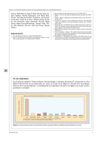
The document corrects a mistake by stating that pimecrolimus, not tacrolimus, is the drug that concentrates in the skin.
July 2008 in “VTechWorks (Virginia Tech)” This study suggests that PrPC plays a role in the differentiation of mouse embryonic stem cells during neurogenesis, impacting neural progenitor cell development.
13 citations
,
February 1951 in “Journal of animal science/Journal of animal science ... and ASAS reference compendium” This study found that daily supplementation with 10 to 20 mg of calcium pantothenate led to complete recovery and significant improvement in appetite and growth in young pigs with pantothenic acid deficiency.
5 citations
,
January 2002 in “European journal of pediatrics” "D-CHRAMPS syndrome" is a newly identified condition with multiple severe symptoms.
July 2012 in “Alzheimer s & Dementia” This case report describes a 57-year-old Navy veteran with mild cognitive impairment who showed cognitive improvement and reported better mood after CPAP treatment and medication adjustments.
This study found that GPC1 plays a crucial role in regulating angiogenesis in human dermal microvascular endothelial cells, which may make it a potential target in alopecia treatment research.
January 2016 in “프로그램북(구 초록집)” This study found that the revised BASP classification for pattern hair loss, which addresses certain limitations of the original, could serve as an alternative option despite a decrease in clinical accuracy and ease of use.
 May 2023 in “Antioxidants”
 In this study, researchers found that supramolecular peptide self-assembling materials derived from Pacific oysters exhibit promising effects for skin wound healing in vitro and in vivo, demonstrating procoagulant, antioxidant, anti-inflammatory, and regenerative properties that suggest potential as a natural treatment option.
 6 citations
,
May 2021 in “Stem Cell Reviews and Reports”
6 citations
,
May 2021 in “Stem Cell Reviews and Reports” This study identified and characterized progenitor cells from equine feet that may play a role in the pathogenesis and recovery of laminitis, suggesting potential therapeutic targets for treatment.
 January 2025 in “Nature Communications”
 This study discovered that calcium dependent protein kinase 1 (CPK1) directly activates cyclic nucleotide-gated channels 5, 6, and 9, promoting root hair growth in Arabidopsis by regulating Ca²⁺ signaling.
This review discusses the potential effectiveness and regenerative promise of Platelet-Rich Plasma in treating cicatricial alopecia, while emphasizing the need for standardized research methods and further studies.
 16 citations
,
January 2013 in “Indian Journal of Dermatology, Venereology and Leprology”
16 citations
,
January 2013 in “Indian Journal of Dermatology, Venereology and Leprology” This review explores new theories, diagnostic tools, and management strategies for primary cicatricial alopecia but reports no new clinical findings.
29 citations
,
September 2018 in “Journal of the American Heart Association” This study found that EP 2 signaling is crucial for macrophage recruitment and inflammatory regulation in the injured heart, impacting cardiac repair processes.
 4 citations
,
January 2021 in “Journal of Clinical Medical Research”
4 citations
,
January 2021 in “Journal of Clinical Medical Research” This review provides an in-depth analysis of the structure and function of c-kit activation, and its role in both normal physiological and pathological conditions, with no new research findings reported.
35 citations
,
June 1997 in “Annals of the New York Academy of Sciences” Early diagnosis and multidisciplinary care are crucial for managing PCOS in adolescents.
 3 citations
,
March 2018 in “Journal of Continuing Education in Nursing”
3 citations
,
March 2018 in “Journal of Continuing Education in Nursing” This study found that a continuing education program significantly improved rural nurse practitioners' knowledge about assessing, diagnosing, and managing PCOS.
 July 2021 in “Clinical case reports and studies”
 In this case report, a 9-year-old boy with diffuse alopecia areata showed improvement with topical diphencyprone immunotherapy, suggesting it as a safe and effective treatment option in pediatric cases of alopecia areata resistant to other therapies.
March 2026 in “Journal of Investigative Dermatology” Genetic factors, especially PADI3 gene variants, contribute to CCCA in women of African descent.
This study found that PRP injections may safely improve penile curvature and PDQ scores in men with stable-phase Peyronie's Disease, although the curvature reduction observed was not enough to determine long-term clinical significance.
 April 2023 in “The journal of investigative dermatology/Journal of investigative dermatology”
 This study reports that CD200R expression is significantly reduced in an experimental mouse model of scarring alopecia, suggesting a potential role for this pathway in immune regulation and hair follicle protection.
April 2008 in “Progrès en Urologie” This study found that the rs3185480 polymorphism in the APCDD1 gene was associated with an elevated risk of developing androgenic alopecia and reduced protein levels, potentially due to altered codon usage affecting translation efficiency.