 33 citations
,
January 2021 in “Aesthetic Surgery Journal”
33 citations
,
January 2021 in “Aesthetic Surgery Journal” This review suggested that low-level light therapy using red/near-infrared light could be a safe and effective treatment for various skin and hair conditions, though more robust trials are needed to solidify its clinical utility.
 16 citations
,
January 2016 in “Annals of Dermatology”
16 citations
,
January 2016 in “Annals of Dermatology” This study suggests that epigallocatechin gallate (EGCG) from green tea may counteract DHT-induced hair follicle damage by modifying the miRNA expression profile in human dermal papilla cells.
November 2025 in “Free Radical Biology and Medicine” This study identified ten potential therapeutic targets and biomarkers for androgenic alopecia, with SOD1 and KL as particularly promising candidates for future therapies.
 January 2024 in “Current research in toxicology”
 This review reports that thallium poisoning causes severe neurological damage, with early gastrointestinal symptoms and later neurological dysfunction, and highlights the importance of early diagnosis and Prussian blue as an effective antidote.
May 2004 in “Biochimica et Biophysica Acta (BBA) - Molecular Basis of Disease” This study found that dietary vitamin E influenced gene expression in rat livers, altering genes related to metabolism, coagulation, and steroid processing, and confirmed its effects on related biological endpoints.
 May 2026 in “International Journal of Scientific Research in Chemistry”
 This study examined finasteride degradation under stress conditions, identifying three unique degradation products in acidic environments, providing insights into impurity profiling and quality control for finasteride formulations.
 June 2026 in “Studia Biologica”
 This study found that in semi-coarse wool sheep of the Ukrainian Carpathian Mountain breed, changes in microflora and grease composition are linked to increased felting in wool, due to wetter, more alkaline fleece conditions that promote bacterial and mold growth and alter fatty acid balances.
1 citations
,
September 2024 in “Cosmetics” This study found that permanent makeup pigments were applied at similar depths as traditional tattoo inks in mice but faded over time due to larger inorganic pigments.
 27 citations
,
July 2017 in “European Journal of Dermatology”
27 citations
,
July 2017 in “European Journal of Dermatology” This article reviews the role of microRNAs as epigenetic modulators in dermatology but reports no new clinical findings.
 126 citations
,
January 2009 in “International Journal of Trichology”
126 citations
,
January 2009 in “International Journal of Trichology” This review discusses the potential role of oxidative stress in hair graying and age-related alopecia, emphasizing the need for new strategies to counteract these effects, but reports no new results.

In this simulation study, higher cannabis exposure was associated with increased hair shedding severity and reduced follicular density, with greater effects observed in female-assigned profiles, but these associations are based on modeled data and not clinical observations.
 73 citations
,
January 2013 in “European journal of dermatology/EJD. European journal of dermatology”
73 citations
,
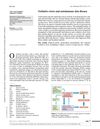
January 2013 in “European journal of dermatology/EJD. European journal of dermatology” This review examines current research on antioxidants in autoimmune skin diseases like alopecia areata and vitiligo, concluding with suggestions for future studies and treatment possibilities without reporting new clinical results.
 58 citations
,
October 2016 in “Journal of Investigative Dermatology”
58 citations
,
October 2016 in “Journal of Investigative Dermatology” This study found that activating Nrf2 in human hair follicles significantly reduced oxidative stress, lipid peroxidation, and protected against hair growth inhibition, suggesting a protective role for Nrf2 against redox insult in this context.
 53 citations
,
October 2014 in “Free radical biology & medicine”
53 citations
,
October 2014 in “Free radical biology & medicine” This study found that oxidative damage is present in the mitochondria of PolG mice, which exhibit premature aging-like phenotypes due to mitochondrial dysfunction.
 24 citations
,
January 2012 in “Journal of Cellular Biochemistry”
24 citations
,
January 2012 in “Journal of Cellular Biochemistry” This study found that C-reactive protein may enhance monocyte adhesion to endothelial cells through NOX-mediated oxidative stress, suggesting a potential mechanism for atherogenesis.
 7 citations
,
January 2020 in “Postepy Dermatologii I Alergologii”
7 citations
,
January 2020 in “Postepy Dermatologii I Alergologii” Oxidative stress plays a role in female pattern baldness, causing an imbalance between harmful and protective elements in the body.
 January 2024 in “GeroScience”
 This review explores how radiation-induced hair graying can be used as a model to study the mechanisms behind hair graying, focusing on cellular senescence and potential therapeutic targets to address age-related changes. Results are not provided.
 May 2021 in “Open Access Macedonian Journal of Medical Sciences”
 This study found that individuals with premature hair graying had significantly lower levels of antioxidants compared to controls, but the severity of graying did not significantly correlate with oxidative stress levels.

This study found that oxidative stress markers, specifically MDA and H2O2, along with decreased SOD activity, may play a key role in the development of diffuse hair loss in the studied population.
 93 citations
,
February 2015 in “Journal of Investigative Dermatology”
93 citations
,
February 2015 in “Journal of Investigative Dermatology” This study suggests that oxidative stress may contribute to androgenetic alopecia by inducing premature senescence and secretion of hair growth inhibitors in dermal papilla cells from balding scalp.
 13 citations
,
December 2016 in “Journal of Cosmetic Dermatology”
13 citations
,
December 2016 in “Journal of Cosmetic Dermatology” This study found increased oxidative stress in younger male patients with early-onset androgenetic alopecia compared to healthy peers, suggesting a potential role for antioxidants in their treatment.
 5 citations
,
February 2019 in “Journal of oceanology and limnology (Online)”
5 citations
,
February 2019 in “Journal of oceanology and limnology (Online)” This study found that adding 7% Ecklonia cava extract to oxidative hair dyes significantly reduced their cytotoxicity and oxidative stress without affecting color performance.
 July 2025 in “Scientific Reports”
 This study found that dermal papilla cell-conditioned medium can protect against UV-induced skin aging in a mouse model by modulating ferroptosis pathways, highlighting its potential for treating oxidative stress-related skin conditions.
 215 citations
,
March 2018 in “Archives of Toxicology”
215 citations
,
March 2018 in “Archives of Toxicology” This study found that PM2.5 exposure induced oxidative stress in human keratinocytes and mouse skin, causing cellular damage, which was mitigated by the antioxidant N-acetyl cysteine.
 65 citations
,
May 2010 in “Current Women's Health Reviews”
65 citations
,
May 2010 in “Current Women's Health Reviews” This review discusses oxidative stress's role in polycystic ovary syndrome and examines various biomarkers to understand its impact on the disorder's pathogenesis, but reports no new clinical results.
 43 citations
,
August 2016 in “International Journal of Nanomedicine”
43 citations
,
August 2016 in “International Journal of Nanomedicine” This study found that a eupafolin nanoparticle delivery system improved water solubility and skin penetration, enhancing its antioxidant and anti-inflammatory effects against particulate matter-induced stress in skin cells.
 30 citations
,
July 2017 in “BioEssays”
30 citations
,
July 2017 in “BioEssays” This review discusses the potential benefits of activating NRF2 for treating hair follicle disorders linked to oxidative stress and reports no new clinical results.
 20 citations
,
January 2003 in “Journal of oleo science”
20 citations
,
January 2003 in “Journal of oleo science” This study found that both everyday physical and environmental stresses, as well as chemical treatments, contributed to hair damage, with cuticle layers being more noticeably affected.
 16 citations
,
October 2015 in “Photochemistry and photobiology”
16 citations
,
October 2015 in “Photochemistry and photobiology” This study found that higher concentrations of copper (II) ions in human hair increase protein oxidative modification, contributing to hair damage regardless of UV exposure and pigmentation level.
 11 citations
,
August 2015 in “PLOS ONE”
11 citations
,
August 2015 in “PLOS ONE” This study found that finasteride has selective effects on oxidative stress and acetylcholinesterase activity in different brain regions in rats with thioacetamide-induced hepatic encephalopathy.