24 citations
,
August 2021 in “Scientific Reports” This study found that non-thermal atmospheric pressure plasma may stimulate hair growth through activation of the Wnt/β-catenin signaling pathway, suggesting it could be a potential non-pharmacological treatment for alopecia.
August 2025 in “BMC Pharmacology and Toxicology” The LTF gene may help predict and manage nonspecific orbital inflammation.
 1 citations
,
June 2025 in “Journal of Allergy and Clinical Immunology Global”
1 citations
,
June 2025 in “Journal of Allergy and Clinical Immunology Global” This study describes the case of a young boy with Netherton syndrome who showed significant improvements in skin inflammation, quality of life, and hair growth after receiving dupilumab, with a marked decrease in serum IgE levels observed following treatment.
July 2024 in “International journal of agriculture and food sciences research.” This study found that a hair conditioner using peptides from Pneumatophorus japonicus heads improved damaged hair's structure, gloss, and smoothness more effectively than a commercial wheat protein conditioner by increasing amino acid content and interacting with hair keratin.
7 citations
,
October 2024 in “Drug Delivery and Translational Research” In this study, using an ex vivo porcine skin model, researchers found that a 4% nanoparticle concentration significantly enhanced the transport of fluorescein sodium into hair follicles compared to a 2% concentration, while higher concentrations did not further increase penetration depth.
August 2019 in “Anais Brasileiros de Dermatologia” This article reviews the case of a patient diagnosed with basal cell nevus syndrome and reports no new research findings.

This review examines the potential of Parquetina nigrescens for managing Polyendocrine Metabolic Ovarian Syndrome, emphasizing its pharmacological activities and highlighting its promise as an affordable complementary therapy.
2 citations
,
October 2016 in “OPAL (Open@LaTrobe) (La Trobe University)” This study reports that the Swedish newborn screening program for phenylketonuria, galactosaemia, and biotinidase deficiency is effective, with high sensitivity and specificity, and lower false positive rates compared to other countries, while genetic variants impact detection and incidence patterns in Sweden.
 3 citations
,
April 2012 in “Bioinformation”
3 citations
,
April 2012 in “Bioinformation” This study concluded that specific SNPs in the TRPS1 gene significantly alter its protein structure, affecting interactions and contributing to the development of congenital hypertrichosis.
October 2025 in “Frontiers in Toxicology” This study found that a human relevant potency threshold for estrogen receptor alpha agonism may serve as a health-protective screening tool, and highlights inference performance as essential for scientific confidence frameworks.
 January 2026 in “Frontiers in Medicine”
 In this study, PP-PTKL exhibited antioxidant, anti-inflammatory, and pro-melanogenic effects in laboratory settings, suggesting its potential role in preventing or treating hair greying. Further animal and human studies are needed to verify these findings.
January 2012 in “RepositóriUM (Universidade do Minho)” This study reported that a modified nanoprecipitation protocol can effectively create PLA nanoparticles capable of delivering compounds into hair follicles, with promising potential for hair follicle therapy and cosmetic applications.
December 2025 in “Clinical Case Reports” In this study, researchers reported that dermoscopic examination of eyebrow hairs can help in the early diagnosis of Netherton syndrome in children by detecting trichorrhexis invaginata, facilitating prompt counseling and care while awaiting genetic test results.
August 2025 in “OPAL (Open@LaTrobe) (La Trobe University)” This preclinical study found that a machine-learning-driven strategy for fabricating microneedles with optimal hardness and rapid dissolution significantly promoted hair regrowth in androgenetic alopecia mice by activating the Wnt/β-catenin pathway, surpassing the effects of minoxidil.
 1 citations
,
October 2025 in “Nano Research”
1 citations
,
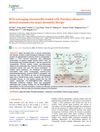
October 2025 in “Nano Research” In this study, researchers developed a dissolvable microneedle patch combining HA-TEMPO and Portulaca oleracea L.-derived nanoparticles, which effectively reduced oxidative stress and inflammation in an atopic dermatitis model while restoring immune balance, suggesting a promising treatment strategy.
 14 citations
,
January 2020 in “International Journal of Biological Sciences”
14 citations
,
January 2020 in “International Journal of Biological Sciences” This study explored the use of multiphoton microscopy to monitor changes in tumors and surrounding tissues in breast cancer patients undergoing neoadjuvant chemotherapy, finding it may effectively detect treatment response at cellular levels without using exogenous contrast agents.
September 2025 in “Global Journal of Pharmacy & Pharmaceutical Sciences” This review analyzes PDRN's molecular mechanisms and therapeutic applications in anti-aging dermatology but reports no new clinical results, highlighting the need for more standardized protocols and long-term evaluations.
In this study, Paljeong-san pharmacopuncture reduced dihydrotestosterone levels and inhibited prostate tissue proliferation in a rat model of benign prostatic hyperplasia.
88 citations
,
June 2000 in “Journal of Investigative Dermatology” Keratin 17 is important for hair and nail structure and affects pachyonychia congenita symptoms.
October 2024 in “Frontiers in Immunology” This study proposes that intranasal exposure to PTx and autoantigen in an animal model can trigger autoimmune disease, supporting the idea that subclinical nasal colonization by BP may cause alopecia areata.
 October 2024 in “Small Methods”
 This study found that dissolving microneedles loaded with platinum nanozymes induced faster hair growth in an androgenetic alopecia model than daily minoxidil applications, with no significant safety concerns.
122 citations
,
June 1998 in “PubMed” This study found that sensory and sympathetic innervation in the mystacial pads of mice is governed by a balance of neurotrophin signaling, highlighting the roles of NGF/trkA and NT-3/trkC pathways.
 21 citations
,
April 2014 in “PLoS ONE”
21 citations
,
April 2014 in “PLoS ONE” In this study, researchers identified a novel KRT74 gene mutation associated with autosomal recessive pure hair and nail ectodermal dysplasia in a Pakistani family, expanding the known genetic causes of the disorder.
December 2025 in “eTheses of Maulana Malik Ibrahim State Islamic University (Maulana Malik Ibrahim State Islamic University)” In this laboratory study, the researchers reported that an ethnomedicinal hair growth formula from East Nusa Tenggara, incorporating Kemiri, Kembang sepatu, Beringin, Mangkokan, and Waru, demonstrated significant antioxidant activity and effectively stimulated hair growth, suggesting potential development as a natural cosmeceutical.
36 citations
,
August 2020 in “Polymers” The researchers developed semi-dissolving microneedle patches using TEMPO-oxidized bacterial cellulose nanofibers, which allow effective transdermal drug delivery by forming micro-channels for large drug quantities, overcoming traditional microneedles' low drug loading.
September 2025 in “Development” In this study, deleting the transcriptional pause factor Nelfb in mouse preadipocyte lineages led to defective dermal fat formation and lethal outcomes, while interventions targeting Pparg could rescue adipocyte differentiation and promote dermal white adipose tissue formation, underscoring Nelfb's critical role in adipogenesis.
April 2026 in “SSRN Electronic Journal” February 2024 in “Biomedicines” This study found that NKB placental mRNA expression was higher in women with PCOS, particularly in pregnancies with female offspring, suggesting its involvement in PCOS-related placental dysfunction.
22 citations
,
October 2018 in “Molecular Medicine Reports” In this study, classic PDRN (50-1,500 kDa) was observed to improve wound healing quality in a mouse model by enhancing collagen composition and cell migration.
86 citations
,
November 2015 in “Journal of Gastroenterology” This study reported that the NUDT15 R139C genetic variant was significantly associated with thiopurine-induced leukocytopenia in Japanese inflammatory bowel disease patients, independent of 6-thioguanine nucleotide levels.