 24 citations
,
October 1995 in “The Journal of clinical endocrinology and metabolism/Journal of clinical endocrinology & metabolism”
24 citations
,
October 1995 in “The Journal of clinical endocrinology and metabolism/Journal of clinical endocrinology & metabolism” This study found that the LH response to nafarelin effectively distinguished gonadotropin deficiency from constitutional delay of puberty, performing comparably to the sleep test and offering certain advantages.
 3 citations
,
January 2019 in “Česká a slovenská farmacie”
3 citations
,
January 2019 in “Česká a slovenská farmacie” This review discusses various types of microneedles and their potential to expand the range of drugs delivered via the skin, but reports no new clinical results.
 December 2023 in “Melatonin research”
 This review highlights the potential of using melatonin-loaded nanocarriers to enhance drug delivery efficiency and reduce side effects, emphasizing their promise in treating various diseases through targeted and precise delivery methods.
 February 2026 in “Archives of Dermatological Research”
 In this study, microneedle-assisted delivery of polyglutamate significantly improved hair parameters, scalp symptoms, and quality of life in androgenetic alopecia patients, with no serious adverse reactions reported.
27 citations
,
August 2017 in “Anais Brasileiros de Dermatologia” In this case report, a patient with trichotillomania showed a significant positive response to treatment with N-acetylcysteine, suggesting its potential effectiveness for this disorder according to the authors’ observations.
 April 2025 in “Journal of Cosmetic Dermatology”
 In this pilot study, the niostem device, a wearable device delivering low-level electrical stimulation, significantly increased hair density by 19.3% and thickness by 8.8% in male androgenetic alopecia patients over six months without reported adverse events.
 February 2025 in “Advanced Composites and Hybrid Materials”
 This study reported that in animal studies of androgenetic alopecia, a biodegradable microneedle patch releasing glutamic acid promoted hair regeneration more effectively than daily minoxidil, with higher hair follicle counts and less frequent dosing, showing the potential for clinical application.
 96 citations
,
October 2000 in “The FASEB Journal”
96 citations
,
October 2000 in “The FASEB Journal” In this study, researchers found that p75 neurotrophin receptor signaling affects apoptosis during hair follicle regression in mice, and altering its activity might help manage disorders involving early catagen entry.
 August 2019 in “bioRxiv (Cold Spring Harbor Laboratory)”
 This study developed the CATNIP computational model, which uses biological and chemical information to successfully identify drug repurposing opportunities for various conditions, including Parkinson’s disease and Type 2 Diabetes.
September 2026 in “Materials Today Bio” This review discusses recent advances in microneedle technology for androgenetic alopecia treatment, focusing on improved follicular delivery and various therapeutic mechanisms, while highlighting challenges in translating preclinical findings to clinical use.
19 citations
,
October 2024 in “Molecular Pharmaceutics” This review discusses the challenges of traditional phytochemical delivery methods and highlights the potential of microneedles to improve intra/transdermal delivery, reporting no new clinical results.
1 citations
,
September 2018 in “Fisioterapia Brasil” This study found that a short- to medium-term microneedling treatment for a male patient with androgenetic alopecia resulted in a 75% improvement in hair growth and color, and a 50% improvement in hair thickness, with sustained results for five months post-treatment.
 March 2024 in “Tissue engineering. Part A”
 In this study, researchers observed that applying negative pressure to nude mice led to a significant increase in hair follicle growth and angiogenesis, suggesting potential for hair regeneration through mechanisms involving SOX-9, LHX-2, and β-catenin mediation.
 1 citations
,
January 2022 in “European Journal of Pharmacology”
1 citations
,
January 2022 in “European Journal of Pharmacology” In this study, FMN was found to inhibit androgen receptor function and androgen-regulated gene expression in prostate cancer cells, suggesting potential as an antiandrogen therapy.
January 2026 in “American Journal of Medical Genetics Part A” The researchers reported two brothers with a new variant of X-linked trichothiodystrophy associated with an RNF113A gene mutation, highlighting features such as intellectual disability and growth failure, but without previously reported endocrinological or genital abnormalities, underlining the importance of genetic counseling for such variants.
 August 2024 in “Journal of Cutaneous and Aesthetic Surgery”
 This study found significant hair growth improvement with microneedling radiofrequency treatment in most patients with patterned hair loss, with minimal short-term adverse effects.
77 citations
,
October 1986 in “The Journal of clinical endocrinology and metabolism/Journal of clinical endocrinology & metabolism” This study found that nafarelin treatment significantly reduced androgen levels and improved hirsutism symptoms in women, suggesting it may be useful for managing this condition.
 11 citations
,
October 2011 in “Allergologia et immunopathologia”
11 citations
,
October 2011 in “Allergologia et immunopathologia” A girl with Netherton syndrome was able to eat wheat without allergies after a special treatment.
 12 citations
,
June 2022 in “FARMACIA”
12 citations
,
June 2022 in “FARMACIA” This study found that a topical transethosomal system may enhance the skin penetration and deposition of naftifine compared to a marketed cream, potentially overcoming the stratum corneum barrier.
July 2024 in “Journal of Investigative Dermatology” This study found that systemic treatment with DS77754007, a KLK5 inhibitor, improved skin symptoms in a mouse model of Netherton Syndrome more effectively than certain antibody treatments, suggesting KLK5 inhibition as a promising therapeutic approach for this condition.
56 citations
,
July 2014 in “PloS one” This study found that selective androgen receptor modulators (SARMs) significantly inhibited tumor growth and metastasis-promoting factors in AR-positive triple-negative breast cancer models.
 December 2022 in “Small methods”
 This study developed dissolving microneedles incorporating a new AR degrader for treating androgenetic alopecia, showing that a single application leads to superior hair regeneration compared to daily minoxidil, without systemic toxicity or androgen-related issues.
 November 2023 in “PubMed”
 This study found that treating mice with naringenin, alone or combined with minoxidil, significantly increased hair growth and follicle diameter and quantity, likely due to its antioxidant and anti-inflammatory properties.
 May 2025 in “Journal of Nanobiotechnology”
 This study reported that an ATRA-loaded nanostructured lipid carrier gel (ATRA-NLC-Gel) improved symptoms of alopecia areata in mice by enhancing transdermal drug delivery, reducing skin irritation, and promoting hair regrowth through targeted follicle enrichment and pathway activation.
July 2024 in “Chemical Engineering Journal” A new microneedle system with minoxidil nanoparticles effectively promotes hair regrowth with fewer side effects.
July 2024 in “Journal of Investigative Dermatology” This study found that topically applied melatonin exerts significant anti-aging effects on human scalp skin ex vivo, including increased SIRT1 expression and reduced mTORC1 pathway activity.
21 citations
,
October 2025 in “Advanced Materials” This study found that a newly created biomimetic microneedle platform effectively expedited wound repair in diabetic animal models by reducing inflammation, enhancing angiogenesis, and promoting skin regeneration through targeted drug delivery and immune response modification.
1 citations
,
April 2024 in “Journal of Drug Delivery Science and Technology” This review examines the use of microneedles for treating alopecia areata, highlighting their ability to enhance drug delivery through the skin by bypassing the outer barrier and promoting hair growth with minimal invasiveness.
1 citations
,
July 2021 in “Frontiers in Oncology” This study found that patient-reported outcomes were similar between neoadjuvant endocrine therapy and chemotherapy in premenopausal breast cancer patients, but future perspective was significantly better with endocrine therapy.
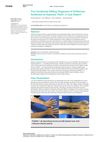
This study presents a rare instance of Netherton syndrome diagnosed incidentally in siblings of consanguineous parents, initially misdiagnosed as other skin conditions, emphasizing the need for careful evaluation in chronic skin cases to prevent misdiagnosis.