 December 2025 in “Clinical & Experimental Dermatology and Therapies”
 This study reported that Cosmerna ARI significantly improved androgenetic alopecia in Europeans over a 6-month period compared to a placebo, according to a double-blind, randomized, placebo-controlled clinical trial.
 6 citations
,
January 2021 in “Frontiers in Immunology”
6 citations
,
January 2021 in “Frontiers in Immunology” This study found that deficiency in TLR3/TRIF signaling reduced inflammation and protected mice against postoperative ileus, suggesting potential for TLR3 antagonism as a preventive approach in humans.
16 citations
,
April 2006 in “Pediatrics International” This study reported that high-dose mizoribin therapy may be effective and safe for managing steroid-dependent pediatric systemic lupus erythematosus but requires monitoring of serum uric acid levels due to potential side effects.
April 2019 in “The Journal of urology/The journal of urology” After the FDA's 2011 warning about a potential prostate cancer risk with 5-alpha reductase inhibitors, this study observed a significant decrease in their prescriptions, notably a 49% drop among men with benign prostatic hyperplasia, while primary care providers reduced prescriptions by 60%.
3 citations
,
May 2014 in “Urologia Journal” This review discusses how 5α-reductase inhibitors affect PSA levels in benign prostatic hyperplasia treatment and their role in prostate cancer screening, but reports no new clinical findings.

This study found that supraphysiological and physiological androgen levels inhibited U937 macrophages' phagocytosis of MRSA compared to untreated controls, but AR antagonism reversed this effect, suggesting targeting AR or using 5alpha-reductase inhibitors might aid bacterial clearance in elderly males' chronic wounds.
 8 citations
,
November 1990 in “Archives of Dermatology”
8 citations
,
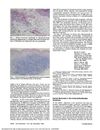
November 1990 in “Archives of Dermatology” This case report details a woman with eosinophilia-myalgia syndrome associated with L-tryptophan ingestion, highlighting skin lesions with abundant dermal mucin.
 March 2024 in “Frontiers in endocrinology”
 This study reports the first case of mandibuloacral dysplasia syndrome associated with MTX2 gene mutation in the Chinese population, expanding the known spectrum of MTX2 mutations.
 3 citations
,
July 2021 in “Drug Testing and Analysis”
3 citations
,
July 2021 in “Drug Testing and Analysis” This study found that chronic administration of finasteride affected the isotopic composition of testosterone and nandrolone metabolites, impacting the drug-testing outcomes in athletic contexts.
 April 2024 in “Current Rheumatology Reviews”
 This case report describes an 8-year-old girl with Mixed Connective Tissue Disease who experienced remission after treatment with immunomodulator drugs, highlighting the diagnostic value of anti-U1 RNP antibody testing in children.
 April 2026 in “Diagnostics”
 In this case report, a 38-year-old woman with Parry–Romberg syndrome displayed left-sided facial atrophy and subclinical central nervous system involvement detectable by neuroimaging, suggesting that even symptom-free cases may benefit from systematic brain evaluations.
2 citations
,
January 2025 in “Medicine” This study in Saudi female patients with hyperprolactinemia found that pituitary imaging is often indicated due to a high prevalence of pituitary anomalies, with prolactin levels showing moderate accuracy in predicting adenomas and a suggested cutoff level of >38.71 ng/mL for diagnosis.
November 2023 in “Journal of Pakistan Society of Internal Medicine.” This review discusses the mechanisms, uses, and side effects of conventional synthetic DMARDs, particularly methotrexate, for rheumatoid arthritis, but reports no new clinical findings.
1 citations
,
September 2004 in “Experimental Dermatology” This study found that α-melanocyte-stimulating hormone may modulate inflammation in skin connective tissue by inhibiting proinflammatory effects in fibroblasts.
 6 citations
,
November 2004 in “Bioorganic & Medicinal Chemistry Letters”
6 citations
,
November 2004 in “Bioorganic & Medicinal Chemistry Letters” This study found that arylhydantoin and arylthiohydantoin derivatives with hydroxybutyl or methyl side-chains showed superior androgen receptor binding affinity and may serve as promising radioiodinated AR ligands.
March 2010 in “The Journal of Urology” This study demonstrated that methylation of the 5-alpha reductase type 2 (5-AR2) promoter is linked to reduced expression of the 5-AR2 protein, possibly explaining resistance to Finasteride in some BPH patients.
8 citations
,
July 2017 in “The journal of investigative dermatology/Journal of investigative dermatology” This study identified four circulating microRNAs as highly predictive of frontal fibrosing alopecia status, suggesting potential roles in diagnostics and disease understanding.
January 2022 in “Wiadomości lekarskie (Warsaw Poland)” This study found that Methylsulfonylmethane significantly reduced hair loss and enhanced hair growth and follicle number in male mice, attributed to its antioxidant and anti-inflammatory properties.
February 2017 in “Developmental Cell” This study reported that mammary stem cells in terminal end buds of the mammary gland primarily contribute to branching morphogenesis through dynamic positional regulation and cellular rearrangement.
26 citations
,
January 2005 in “PubMed” This study reports that RU 58841-myristate, a new antiandrogen prodrug formulated with solid lipid nanoparticles, shows potential for targeting hair follicles in preclinical laboratory settings.
14 citations
,
June 2016 in “Biomaterials” This study observed that MAA beads improved vascularization in non-diabetic male mice by modulating the Shh signaling pathway in wound granulation tissue, but showed no such effects in females.
This study found that PLX, a mixture of tomato extract and chitooligosaccharide, may reduce prostate weight in testosterone-induced BPH in rats, suggesting it could act as a 5α-reductase inhibitor.
April 2026 in “Therapeutic Advances in Drug Safety” This study developed a new clustering model to improve detection of drug-induced cognitive disorder risk signals, finding that it identified drugs with moderate risk signals, like Carbidopa/Levodopa, missed by traditional methods, enhancing clinical assessment comprehensiveness.
July 2026 in “Journal of Enzyme Inhibition and Medicinal Chemistry” This review discusses the evolution of Cereblon ligands in PROTAC technology, highlighting chemical innovations that may enhance drug-likeness and applicability in protein degradation, while noting challenges and future research directions.
 1 citations
,
November 2001 in “Acc Current Journal Review”
1 citations
,
November 2001 in “Acc Current Journal Review” This review found that 5α‐reductase inhibitors were associated with slightly increased rates of decreased libido, erectile and ejaculatory dysfunction, gynecomastia, and mood disorders compared to placebo, though their long-term effects remain unclear.
 1 citations
,
February 2022 in “bioRxiv (Cold Spring Harbor Laboratory)”
1 citations
,
February 2022 in “bioRxiv (Cold Spring Harbor Laboratory)” This study uses cryo-electron microscopy to reveal how androgen receptor forms a non-obligate dimer to bind DNA, with implications for prostate cancer development.
 6 citations
,
May 2020 in “JAMA Ophthalmology”
6 citations
,
May 2020 in “JAMA Ophthalmology” This study suggests that the use of 5α-reductase inhibitors in men may be associated with macular abnormalities, characterized by cystoid changes and foveal cavitation, potentially progressing to more severe defects.
3 citations
,
September 2024 in “International Journal of Molecular Sciences” This review examines how mathematical modeling of the MAPK pathway, enhanced by single-cell proteomic data, improves understanding of regulatory mechanisms, predicts system behavior, and guides experimental research, emphasizing recent developments in modeling and inference.
18 citations
,
February 2020 in “Journal of pharmaceutical and biomedical analysis” This study using high-performance liquid chromatography reported that mice with more diverse gut microbiota had higher levels of specific compounds in hair compared to those with less diversity, with stress affecting certain plasma levels.
 April 2025 in “Journal of Investigative Dermatology”
 This study discovered that exosomes from adipose-derived mesenchymal stem cells can mitigate damage in dermal papilla cells by modulating the TGF-β1/SMAD2 signaling pathway through miRNAs miR-574-3p and miR-125a-5p, revealing potential therapeutic targets for androgenetic alopecia.