 22 citations
,
September 2019 in “ACS omega”
22 citations
,
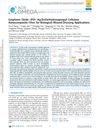
September 2019 in “ACS omega” This study found that AGO@HPC nanocomposite films demonstrated enhanced mechanical, anti-ultraviolet, and antibacterial properties, suggesting potential for use in antibacterial packaging and wound-dressing applications.
 39 citations
,
January 2015 in “Journal of Electroanalytical Chemistry”
39 citations
,
January 2015 in “Journal of Electroanalytical Chemistry” In this study, a novel electrochemical sensor using a molecularly imprinted polymer was developed for the sensitive detection of minoxidil, successfully measuring its concentration in real samples.
January 2026 in “International Journal of Biological Macromolecules” The hydrogel improves hair growth treatment by enhancing drug delivery and promoting follicle repair.
 1 citations
,
September 2024 in “Acta Scientiarum Polonorum Hortorum Cultus”
1 citations
,
September 2024 in “Acta Scientiarum Polonorum Hortorum Cultus” This study found that spraying melon plants with 0.1 mg·L–1 molybdenum significantly improved growth, photosynthetic characteristics, carbohydrate metabolism, and fruit quality under high-temperature stress, boosting fruit weight by 27.9% and yield per plant by 20.1% compared to untreated controls.
23 citations
,
March 2021 in “Gels” This study found that minoxidil solubilized in gelatin-containing microemulsions resulted in over 5% of the drug remaining in porcine skin, significantly more than the reference gel.
44 citations
,
January 2021 in “Research” This study explored the use of manganese-doped calcium silicate nanowire-incorporated alginate hydrogels (MCSA hydrogels) for treating melanoma and promoting wound healing, finding that these hydrogels effectively ablate melanoma under near-infrared irradiation and enhance vascular endothelial cell activity for tissue regeneration.
January 2016 in “한국공업화학회 연구논문 초록집” This study modified nanocomposites with citric acid and hydrazine for potential dual use in cancer imaging and treatment, suggesting they might reduce side effects of traditional chemotherapy.
 12 citations
,
February 2010 in “Tetrahedron Letters”
12 citations
,
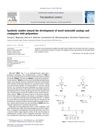
February 2010 in “Tetrahedron Letters” This article describes the synthesis of novel polyamine-modified minoxidil analogs and conjugates to potentially enhance minoxidil's biological activity, selectivity, and water solubility, but reports no new biological results.
January 2005 in “Belarusian State Pedagogical University repository (Belarusian State Pedagogical University)” In this study, a 0.5% addition of TPGS to topical minoxidil solutions increased hair growth in mice, but higher concentrations reduced this benefit.
253 citations
,
June 2004 in “Journal of Controlled Release” The research observed that 40-nm self-assembled nanoparticles enhanced minoxidil penetration in hairy guinea pig skin compared to 130-nm nanoparticles, but this size effect was absent in hairless skin.
 October 2025 in “Advanced Healthcare Materials”
 In a study on wound healing, researchers described injectable POEGMA‐DA hydrogels as a promising non-toxic alternative to traditional wound closure methods, showing effective tissue adhesion and enhanced regeneration of skin structures in a mouse model without significant inflammation.
7 citations
,
December 2021 in “Pharmaceutics” This study developed a nanoemulsion of garlic oil and apple cider vinegar loaded with minoxidil to enhance drug permeation through skin, reporting improved ex vivo skin permeation parameters compared to an aqueous dispersion of minoxidil, suggesting potential benefits for treating alopecia areata.
18 citations
,
April 1998 in “MIT Press eBooks” This study found that topical application of N,N-dimethylglycine sodium salt increased dermal blood flow and velocity in human subjects, likely through its effects on endothelial cells and NO-dependent vasodilation.
 6 citations
,
January 2016 in “Bioorganic & Medicinal Chemistry Letters”
6 citations
,
January 2016 in “Bioorganic & Medicinal Chemistry Letters” This study reported that certain minoxidil conjugates, specifically those with spermine, methylenedianiline, and diaminofluorene, were able to induce differentiation in HL-60 acute myeloid leukemia cells without toxicity at a concentration of 10 μM.
 18 citations
,
October 2005 in “International Journal of Pharmaceutics”
18 citations
,
October 2005 in “International Journal of Pharmaceutics” This study found that incorporating 0.5% TPGS into topical minoxidil solutions enhanced hair growth in mice, although increasing TPGS to 2% decreased effectiveness.
 18 citations
,
March 2014 in “Drug Development and Industrial Pharmacy”
18 citations
,
March 2014 in “Drug Development and Industrial Pharmacy” This study evaluated new aqueous gel formulations of minoxidil without irritants and found that the calcium alginate gel showed the best performance in terms of drug release and skin permeation.
 1 citations
,
July 2023 in “Nature communications”
1 citations
,
July 2023 in “Nature communications” This study found that deleting the Mof gene in mouse skin leads to severe defects in skin cell self-renewal, differentiation, and hair follicle growth, indicating that MOF is crucial for mitochondrial and ciliary gene expression and essential for skin development.
 June 2026 in “Digital Commons - PCOM (Philadelphia College of Osteopathic Medicine)”
 This study observed that a 24-hour pre-treatment with MitoQ significantly protected H9c2 myoblasts from doxorubicin-induced damage while enhancing doxorubicin's effectiveness in prostate cancer cells, outperforming dexrazoxane's effects without compromising the anti-cancer efficacy.
 March 2024 in “International Journal of Pharmaceutics”
 This study found that combining minoxidil with ginsenosides Rg3 in a novel delivery system improved hair growth by reducing inflammation and oxidative stress in androgen alopecia treatments.
 December 2024 in “Biological and Pharmaceutical Bulletin”
 In this study, researchers found that minoxidil nanocrystals delivered using MG-MXD@NP, containing methylcellulose and gum arabic, significantly improved hair growth in mice compared to a standard minoxidil lotion, with enhanced delivery to skin tissues and increased markers of hair follicle stem cell activity.
March 2026 in “ACS Applied Materials & Interfaces” This study introduced an innovative nanozyme system called MCP@G, which was shown to improve diabetic wound healing in rats by alleviating mitochondrial oxidative stress, enhancing fibroblast migration, and promoting blood vessel and hair follicle regeneration, offering a promising approach for treating challenging diabetic wounds.

This study focused on developing a nanoemulsion-based gel for delivering minoxidil, aiming to enhance its contact time with the scalp and potentially improve skin absorption compared to conventional topical solutions.
January 2017 in “Zenodo (CERN European Organization for Nuclear Research)” This research investigated the formulation of minoxidil emulgel using various gelling agents for treating male pattern baldness. It found that this formulation was feasible, with no interactions between the drug and polymers, suggesting potential advantages over other dosage forms.
 52 citations
,
May 2019 in “Journal of The American Academy of Dermatology”
52 citations
,
May 2019 in “Journal of The American Academy of Dermatology” This study evaluated the effectiveness and safety of low-dose oral minoxidil (2.5-5 mg daily) in men with male androgenetic alopecia, aiming to contribute data to an area with limited previous reports. Results are not provided in the abstract.
February 2026 in “ACS Omega” This study developed a multifunctional hydrogel, QTMP-Gel, which significantly accelerated wound healing in an oral mucositis hamster model by providing antioxidant and antibacterial effects, reducing inflammation, and controlling infection.
13 citations
,
October 2007 in “Bulletin of the Korean Chemical Society” This article reviews mollugin's reported biological activities, including its potential for various therapeutic and cosmetic applications such as anti-tumor effects and hair growth stimulation, but presents no new experimental data.
 May 2026 in “Zenodo (CERN European Organization for Nuclear Research)”
 This study developed a chitosan-based nanogel for minoxidil, showing in vitro sustained drug release and higher deposition compared to conventional solutions, suggesting potential as an effective topical treatment for alopecia.
 19 citations
,
November 2017 in “Journal of Pharmaceutical Sciences”
19 citations
,
November 2017 in “Journal of Pharmaceutical Sciences” This research investigated aqueous alginate-based hydrogels for delivering minoxidil and reported that using hydroxypropyl-β-cyclodextrin (HP-β-CD) with molar substitution 0.65 significantly enhanced minoxidil's solubility and skin permeability without damaging the epidermis, suggesting potential as an alternative to commercial minoxidil solutions.
 May 2026 in “Zenodo (CERN European Organization for Nuclear Research)”
 In this study, a chitosan-based minoxidil nanogel was developed and optimized for better scalp retention and targeted follicular delivery, showing sustained drug release over 48 hours and improved drug deposition compared to conventional minoxidil solutions.
January 1990 in “Advances in behavioral biology”