1 citations
,
November 2023 in “Journal of Spinal Cord Medicine” This study suggests that IT PEP injection may have beneficial effects after spinal cord injury, but additional research is necessary to better understand and optimize its clinical application.
 2 citations
,
June 2003 in “International Journal of Acarology”
2 citations
,
June 2003 in “International Journal of Acarology” This study describes a new mite species from marmots in a city park in Washington, noting that infested marmots displayed significant hair loss and tissue abnormalities.
This article discusses the role of epimorphin as a key morphoregulator for various epithelial cells in tubulogenesis and reports no experimental results on its signaling pathways.
 1 citations
,
October 2025 in “Nano Research”
1 citations
,
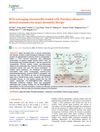
October 2025 in “Nano Research” In this study, researchers developed a dissolvable microneedle patch combining HA-TEMPO and Portulaca oleracea L.-derived nanoparticles, which effectively reduced oxidative stress and inflammation in an atopic dermatitis model while restoring immune balance, suggesting a promising treatment strategy.
 150 citations
,
June 2014 in “Biomaterials”
150 citations
,
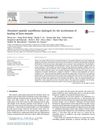
June 2014 in “Biomaterials” This study found that 'smart' peptide hydrogels improved wound healing in a rat model of partial thickness burns, achieving greater wound closure and faster debridement compared to a standard treatment.
61 citations
,
September 2011 in “Pain” This study observed that N-palmitoylethanolamine (PEA) may relieve pain by enhancing de novo neurosteroid synthesis, evidenced by increased allopregnanolone levels and protein expression in pain models, dependent on PPAR-α.
8 citations
,
January 1977 in “Acta Haematologica” This study found that the PVP protocol, combining Peptichemio, vincristine, and 6-methylprednisolone, resulted in remission for diffuse non-Hodgkin's lymphomas with moderate side effects.
 1 citations
,
January 2000 in “Journal of pharmacopuncture”
1 citations
,
January 2000 in “Journal of pharmacopuncture” This study confirmed that microneedle therapy systems (MTS) significantly improve hair growth and skin conditions, including acne and acne scars, without serious side effects.
5 citations
,
July 2025 in “Journal of Clinical Medicine” This study reviewed existing literature on mesotherapy and developed evidence-based guidelines, which support its standardized and safe use for osteoarticular pain, rehabilitation, and dermatology, marking a shift from practice based on personal beliefs to an evidence-based approach.
 October 2025 in “Advanced Healthcare Materials”
 In a study on wound healing, researchers described injectable POEGMA‐DA hydrogels as a promising non-toxic alternative to traditional wound closure methods, showing effective tissue adhesion and enhanced regeneration of skin structures in a mouse model without significant inflammation.
August 2026 in “European Journal of Endocrinology” This study found that individualized GAHT regimens, including microdosing, effectively improved gender congruence and quality of life for non-binary individuals, but some experienced a decrease in bone mineral density.
1 citations
,
January 2008 in “SKINmed Dermatology for the Clinician” This case report describes a patient with mucous membrane pemphigoid who experienced recurrent blisters and cicatricial alopecia, showing improvement with prednisolone and dapsone treatment.
January 2025 in “Indian Journal of Small Ruminants (The)” In this case study of a Beetal doe with severe skin lesions, the researchers diagnosed concurrent psoroptic mange and malasseziosis, and reported successful treatment with a combination of Ivermectin, antibiotics, and topical applications, leading to reduced skin lesions and new hair growth.
 29 citations
,
December 2017 in “Molecular therapy”
29 citations
,
December 2017 in “Molecular therapy” This study found that enzyme replacement therapy in mice with a severe form of classical homocystinuria improved metabolic patterns and alleviated many clinical symptoms.
 February 2026 in “Humanities & Social Sciences Reviews”
 This study reviewed existing literature on mesotherapy as a treatment for androgenetic alopecia, finding that it may improve hair density and thickness with generally mild side effects, but emphasized variability in study designs limits the strength of these conclusions.
33 citations
,
March 1996 in “Veterinary Quarterly” This report describes effective treatment of demodicosis in ferrets using amitraz, marking the first known cases in this species.
9 citations
,
December 2014 in “Daehan miyong hakoeji” Peppermint oil promotes hair growth and fights bacteria better than minoxidil.
 April 2016 in “Journal of Investigative Dermatology”
 This study identified mefloquine as a potent inducer of lethal ER stress that effectively eliminated vemurafenib-resistant and sensitive melanoma cells, suggesting its potential for repurposing as a melanoma treatment.
 22 citations
,
January 2015 in “Dermatology Research and Practice”
22 citations
,
January 2015 in “Dermatology Research and Practice” This study found that an oral marine protein supplement significantly increased hair growth and reduced hair shedding in women with temporary thinning hair over 90 days compared to a placebo.
 December 2024 in “Journal of Cosmetic Dermatology”
 In this study, researchers performed the first integrated transcriptomic and proteomic analysis of scalp biopsies from male androgenetic alopecia patients, finding a significant association between PPAR signaling pathways and AGA, with ME1 identified as a key regulator in this process.
March 2025 in “The Scientific Issues of Ternopil Volodymyr Hnatiuk National Pedagogical University Series pedagogy” This review discusses the clinical phenotypes of primary mitochondrial cytopathies linked to significant genetic defects in mitochondrial DNA, reporting no new clinical results; the authors emphasize the need for differential diagnosis.
 March 2025 in “Scientific Reports”
 This study evaluated a menthol-based microemulsion for transdermal delivery of finasteride and silodosin, finding that it enhanced skin permeation and flux compared to aqueous solutions, suggesting a promising method for managing benign prostatic hyperplasia.
March 2013 in “Pigment Cell & Melanoma Research” This study revealed that different coat patterns in cats and cheetahs are related to variations in the aminopeptidase Q gene and endothelin-3 expression, which affects pigment production.
December 2010 in “대한미용학회지” This study found that Polygoni multiflori Radix water extracts stimulated hair growth and hair follicle development in mice, suggesting it may be safer than minoxidil.
 33 citations
,
December 2023 in “Cell Death Discovery”
33 citations
,
December 2023 in “Cell Death Discovery” This study found that cepharanthine can inhibit gastric cancer cell activity by inducing oxidative stress and altering energy metabolism, suggesting its potential for gastric cancer treatment.
9 citations
,
September 2013 in “Journal of histochemistry and cytochemistry/The journal of histochemistry and cytochemistry” In this study, researchers found that the matriptase-HGF-c-MET pathway may be activated in proliferative cells of human hair follicles and sebaceous glands, suggesting a potential role in hair growth regulation.
16 citations
,
June 1983 in “Journal of Neurochemistry” This study found that copper injections increased dopamine-β-hydroxylase activity in the brains of mottled mice, an animal model for Menkes' syndrome.
1 citations
,
December 2010 in “Daehan miyong hakoeji” This study found that Polygoni multiflori Radix water extracts accelerated hair regrowth and hair follicle development in mice, showing a safer profile compared to minoxidil.
8 citations
,
January 2017 in “Korean Journal of Physiology and Pharmacology” This study found that pimecrolimus enhances melanin synthesis and promotes melanocyte migration, possibly by increasing MITF protein expression, which may explain its effectiveness in repigmenting vitiligo.
 11 citations
,
September 2012 in “Journal of animal physiology and animal nutrition”
11 citations
,
September 2012 in “Journal of animal physiology and animal nutrition” This study demonstrated that mink hair growth and pelt quality significantly depend on dietary protein levels and DL-methionine supplementation during the growing-furring period.