3 citations
,
July 2023 in “Cells” This study found that topical application of recombinant human MG53 protein mitigated nitrogen mustard-induced skin injuries in mice by preserving epidermal integrity and hair follicle structure.
319 citations
,
March 2023 in “Science Advances” This study demonstrated that a wearable bioelectronic patch with combined therapy significantly accelerated chronic wound healing in a rodent model by monitoring and treating wounds noninvasively.
 4 citations
,
May 2018 in “International Journal of Molecular Sciences”
4 citations
,
May 2018 in “International Journal of Molecular Sciences” This review discusses genetically-engineered mouse models for studying melanocytes and reports no new experimental findings; it emphasizes their potential to address unanswered questions in melanoma biology.
12 citations
,
March 2022 in “Development” This review outlines the role of mechanical forces in the development of sensory organs like eyes and ears, emphasizing insights from recent animal studies and microfabricated organoid systems; it presents no new experimental results.
 September 2013 in “Science”
 This study found that single-crystal magnesium samples smaller than 100 nm exhibited increased plastic deformation due to greater activation of nonbasal planes as local flow stresses approached 2 GPa.
 January 2023 in “bioRxiv (Cold Spring Harbor Laboratory)”
 In this study, researchers observed that after mesenchymal cell division in mouse and chicken embryonic skin, elevated migration speed and persistence for 180 minutes contribute to mesenchymal dispersal and preferential recruitment to dermal condensates.
 57 citations
,
March 2024 in “Nano-Micro Letters”
57 citations
,
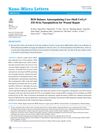
March 2024 in “Nano-Micro Letters” In this study, researchers created a core-shell nanozyme, CeO2@ZIF-8/Au, which autonomously regulates ROS levels to efficiently eliminate bacteria, reduce inflammation, and promote wound healing by balancing ROS generation and scavenging in response to environmental conditions.
 208 citations
,
January 2013 in “Lab on a Chip”
208 citations
,
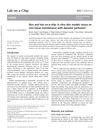
January 2013 in “Lab on a Chip” The researchers described a chip-based bioreactor platform for dynamic perfusion, which may enhance in vitro skin models by introducing mechanical shear stress and extending culture periods.
 13 citations
,
September 2021 in “Communications Biology”
13 citations
,
September 2021 in “Communications Biology” This study introduces a five-modal microscopy technique that allows label-free, in vivo observation and quantitative analysis of various wound healing processes.
3 citations
,
January 2013 in “Journal of cosmetics, dermatological sciences and applications” This study found that the new HCC additive enhances the permeation of pigments and active ingredients into hair, suggesting potential use in developing functional cosmetic hair products.
17 citations
,
May 2025 in “MedComm” This review highlights how organoid technology is transforming precision medicine by summarizing its development and applications in modeling diseases, testing drug efficacy, and tailoring patient-specific treatments, despite current challenges in standardization and ethical considerations.
1 citations
,
July 2025 in “Advanced Science” This study developed multifunctional microneedle patches with CTB nanozymes that successfully eradicated MRSA infections in wounds by combining near-infrared laser-induced nitric oxide release and local hyperthermia, while also regulating oxidative stress, inflammation, and angiogenesis through specific signaling pathways.
8 citations
,
September 2011 in “Scanning” This study found that multiphoton microscopy effectively visualizes the microstructure of in vivo mouse skin, offering a clear view of various skin layers and components like corneocytes and collagen fibers.
13 citations
,
July 2020 in “Stem Cell Research & Therapy” This study identified a comprehensive global landscape of stemness-related gene clusters in adipose-derived mesenchymal stem cells, revealing that stemness was highest in cells from young donors and lowest in those from elderly donors.
15 citations
,
January 2017 in “Polymers” This review discusses how engineering cell surfaces with polyelectrolytes can address challenges in cell therapy and related biomedical fields and reports no new research findings.
50 citations
,
November 2010 in “Tissue Engineering Part A” This study found that combining hair follicle-derived smooth muscle cells with a natural biomaterial created vascular constructs with mechanical and functional properties similar to native arteries, suggesting potential for arterial implantation.
 1 citations
,
December 2016
1 citations
,
December 2016 This computational study developed a regulatory model linking key genes and miRNAs to cardiac senescence, validated by connecting 94% of these elements to existing cardiac aging research.
1 citations
,
August 2025 in “Frontiers in Pharmacology” This review discusses advancements in using dissolving microneedle systems for transdermal delivery of traditional Chinese medicine, highlighting potential benefits for simplifying application, enhancing safety, and increasing efficacy, and underscores its possible impact on modernizing traditional medicine practices.
 35 citations
,
July 2009 in “Optics express”
35 citations
,
July 2009 in “Optics express” This study introduces a new intracavity frequency modulation technique for tunable picosecond optical parametric oscillators, enhancing chemical contrast in coherent Raman imaging by allowing real-time subtraction of background signals.
This study found that fibroblasts from highly regenerative mammals, such as spiny mice and rabbits, exhibit unique metabolic characteristics, including a preference for glycolysis and specific mitochondrial features, which may contribute to their resistance to oxidative stress and support tissue regeneration.
14 citations
,
September 2023 in “Foods” This review outlines recent advancements in droplet-based microfluidic technology using food-grade emulsions to create diverse delivery systems by controlling droplet size, shape, and dispersity, while also discussing challenges in scaling these processes from laboratory to industrial applications.
 September 2016 in “Journal of thoracic and cardiovascular surgery/The Journal of thoracic and cardiovascular surgery/The journal of thoracic and cardiovascular surgery”
 This article discusses advancements in heart tissue engineering, emphasizing the importance of environmental signals for cardiomyocyte survival and growth, but reports no new clinical findings.
 3 citations
,
March 2020 in “Cumhuriyet Dental Journal”
3 citations
,
March 2020 in “Cumhuriyet Dental Journal” This article reviews the use of mesenchymal stem cells and biomimetic scaffolds in regenerative medicine, highlighting promising in vitro and in vivo outcomes, but it reports no new clinical results.
 1 citations
,
January 2022 in “Biocell”
1 citations
,
January 2022 in “Biocell” This article discusses the potential of mesenchymal stem cell-derived exosomes (MSCs-exosomes) in regenerative medicine, highlighting their beneficial effects like anti-inflammatory and tissue regeneration properties, and noting challenges such as exosome isolation and safety evaluation that need addressing.
 8 citations
,
November 1990 in “Archives of Dermatology”
8 citations
,
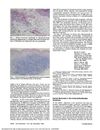
November 1990 in “Archives of Dermatology” This case report details a woman with eosinophilia-myalgia syndrome associated with L-tryptophan ingestion, highlighting skin lesions with abundant dermal mucin.
3 citations
,
May 2025 in “Lasers in Surgery and Medicine” This study suggested that MRF may support skin regeneration and rejuvenation by promoting collagen synthesis and regulating factors involved in fibroblast activation and ECM remodeling, with preliminary findings indicating ADSCs might aid these processes.
56 citations
,
November 1958 in “The Journal of Cell Biology” This study used electron microscopy to identify a distinct dendritic cell in the human epidermis, similar to the melanocyte, with unique structural features and variable melanin content.
January 2025 in “SSRN Electronic Journal”  July 2026 in “bioRxiv (Cold Spring Harbor Laboratory)”
 This study identified a new FAK isoform, FAKΔe4, which is regulated by ECM stiffness and affects cell migration, invasion, and mechanosensing in human-derived data and engineered models.
 February 2024 in “International Journal of Biological Macromolecules”
 In this study, researchers developed a microfluidic-assisted technology to create dual-layer microspheres containing mesenchymal and epidermal cells, which efficiently induced hair follicle regeneration in mice, suggesting potential improvements for hair regeneration treatments in conditions like androgenetic alopecia.