 July 2022 in “The journal of investigative dermatology/Journal of investigative dermatology”
 This study suggests that combining Silybum marianum extract, Manganese PCA, and Lespedeza capitata extract may help improve hair growth and anchorage by targeting specific signaling pathways in human dermal papilla cells.
August 2025 in “Molecules” In this study, researchers using advanced chromatography and mass spectrometry techniques tentatively identified 132 chemical compounds in Justicia procumbens, including 54 lignans and 77 compounds reported for the first time, which may aid in pharmacological research and quality control of the plant.
 1 citations
,
June 2023 in “Pharmacognosy Research”
1 citations
,
June 2023 in “Pharmacognosy Research” This review highlights the promising therapeutic potential of Bacopa monnieri in treating various health conditions, particularly related to neuropharmacology, but emphasizes the need for further clinical research.
 9 citations
,
January 2013 in “Case reports in emergency medicine”
9 citations
,
January 2013 in “Case reports in emergency medicine” This case study reports that Citrullus colocynthis can cause severe gastrointestinal symptoms, including rectorrhagia and mucosal erosion, highlighting the need for awareness of its potential side effects.
January 2020 in “Dépôt Institutionnel de lUniversité de Tlemcen” This article is primarily an acknowledgment and dedication section of a thesis, expressing gratitude to individuals involved in its completion and reports no new research findings.
7 citations
,
March 2023 in “JEADV. Journal of the European Academy of Dermatology and Venereology/Journal of the European Academy of Dermatology and Venereology” This letter discusses the potential of the Janus kinase 1 inhibitor abrocitinib for treating oral lichen planus but provides no new research findings.
4 citations
,
October 2017 in “International Journal of Applied Pharmaceutics” This study found that hair tonics with 5% and 10% licorice extract promoted hair growth in rabbits similarly to 2% minoxidil and were generally safe, although they caused mild eye irritation at the 2.5% concentration.
 17 citations
,
January 2014 in “Journal of Clinical and Diagnostic Research”
17 citations
,
January 2014 in “Journal of Clinical and Diagnostic Research” This study found that patients with oral lichen planus and oral lichenoid reactions have higher levels of serum cholesterol and LDL-C than healthy individuals, suggesting a potential elevated risk for cardiovascular disease.
 July 2024 in “Biological and Pharmaceutical Bulletin”
 This study found that 18-β-Glycyrrhetinic acid, a licorice component, stimulated human hair follicle cell proliferation, inhibited testosterone 5α-reductase, and suppressed TGF-β1, suggesting potential for treating androgenetic alopecia by promoting hair growth and prolonging the anagen phase.
 9 citations
,
April 2021 in “Evidence-based complementary and alternative medicine”
9 citations
,
April 2021 in “Evidence-based complementary and alternative medicine” This study found that Guilu Erxian Glue significantly alleviates various doxorubicin-induced side effects in mice, enhancing exercise capacity and reducing oxidative stress and inflammation.
 14 citations
,
April 2018 in “ACS Biomaterials Science & Engineering”
14 citations
,
April 2018 in “ACS Biomaterials Science & Engineering” In this study, luteolin-loaded nanoemulsions were shown to promote hair growth similarly to a luteolin solution in organic solvents, offering enhanced stability for follicular delivery.
1 citations
,
June 2025 in “Fermentation” This study found that solid-state fermentation using probiotic lactic acid bacteria significantly enhanced the antioxidant properties and bioactive composition of Radix Angelica gigas compared to non-fermented herbs, suggesting a potential method for modernizing traditional herbal medicine.
1 citations
,
December 2001 in “Linchuang pifuke zazhi” In this study, certain Chinese herbal medicines were found to significantly stimulate or inhibit hair growth in an in vitro organ culture model of mouse vibrissa follicles.
7 citations
,
December 1956 in “Science” 1 citations
,
December 1956 in “Science”  7 citations
,
November 2007 in “Annales de Dermatologie et de Vénéréologie”
7 citations
,
November 2007 in “Annales de Dermatologie et de Vénéréologie” A man was diagnosed with a rare form of lupus after showing unique skin symptoms that responded well to treatment.
January 2026 in “Zenodo (CERN European Organization for Nuclear Research)” This study reviews classical Ayurvedic texts and modern research on Amalaki, finding significant benefits for lipid profiles, blood glucose, and inflammation in clinical trials, while also suggesting potential benefits for liver, hair, skin, eyes, cognition, and respiratory health based on preclinical data and traditional claims.
 7 citations
,
June 2010 in “Journal of The American Academy of Dermatology”
7 citations
,
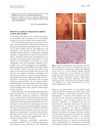
June 2010 in “Journal of The American Academy of Dermatology” This paper reports a single case of lichenoid cutaneous sarcoidosis that was unresponsive to standard treatments but showed marked improvement with the administration of oral tranilast.
 7 citations
,
February 2016 in “TANG [HUMANITAS MEDICINE]”
7 citations
,
February 2016 in “TANG [HUMANITAS MEDICINE]” This study reports that the homeopathic drugs Lycopodium clavatum and Calcarea carbonica showed significant ameliorative effects on polycystic ovarian syndrome symptoms, with some differences in individual symptom response.
 September 2025 in “Clinical Cosmetic and Investigational Dermatology”
 In this randomized, placebo-controlled study, Kūlaris supplementation significantly improved quality of life for participants with mild-to-severe acne over 12 weeks, though no significant changes in general skin health measures were observed compared to placebo.
1 citations
,
May 2025 in “Cytotechnology” This study observed that Icariside II, an extract from Epimedium brevicornu Maxim, can inhibit the growth of gastric cancer in cell lines and mouse models by promoting apoptosis and suppressing the Wnt/β-catenin signaling pathway, with minimal toxicity to normal gastric cells.
 May 2024 in “Journal of Agricultural and Food Chemistry”
 In a study using mice, researchers observed that Cacumen platycladi fermented with Lactiplantibacillus plantarum CCFM1348—both as postbiotics and synbiotics—promoted hair growth, potentially by engaging the Wnt/β-catenin signaling pathway and enhancing growth factor expression.
The study reported that a poly herbal gel containing Lagenaria siceraria, Trichosanthis cucumarina, and Tridax procumbens promoted hair growth in human volunteers, with noticeable effects observed after 90 days.
4 citations
,
December 2019 in “Trials” This study aims to evaluate the effectiveness of YH0618 granules in preventing chemotherapy-induced hair loss in breast cancer patients through a randomized, double-blind, multi-center clinical trial, focusing on potential mechanisms related to kidney deficiency as understood in Chinese Medicine. Results are not yet reported.
18 citations
,
May 2024 in “Pharmaceutics” This review discusses advances in drug delivery systems to enhance oleanolic acid's bioavailability and therapeutic potential but reports no new clinical results.
In this study, a hair lotion made from Ganoderma lucidum spore extract resulted in new hair follicle growth and improved hair health in both mice and human participants, with 99% acceptance among users, suggesting potential usefulness for treating alopecia.
April 2016 in “Pharmaciana” This study found that a combination of liquorice and aloe vera extracts, particularly combination 1, resulted in the most optimal hair growth in rabbits over a 28-day period.
 March 2026 in “Food Science and Biotechnology”
 In this study, oral administration of blue honeysuckle fruit extract was found to promote hair growth in mice by enhancing dermal papilla cell proliferation and activating β-catenin signaling, suggesting its potential use as a food or cosmetic product for hair regeneration.
 August 2023 in “Processes”
 This study found that fermenting Dendrobium officinale with Lactiplantibacillus plantarum CCFM8661 and other strains increased polysaccharide yields and skin care activity, particularly with CCFM8631, which showed significant improvements in skin cell protection and inflammation reduction in both cell cultures and mouse models.
 26 citations
,
October 2007 in “Experimental Dermatology”
26 citations
,
October 2007 in “Experimental Dermatology” This study found that l-carnitine stimulated hair growth in vitro by promoting proliferation and reducing apoptosis in human scalp hair follicles, suggesting potential as a treatment for hair loss.