In this study, PDLLA treatment in middle-aged mice was observed to enhance hair growth by increasing macrophage M2 polarization and hair follicle stem cell proliferation, potentially rejuvenating the skin's microenvironment and offering a novel approach for age-related hair loss.
This study found changes in the PGI2 pathway, especially in gene and protein expression, in diabetic mice, but did not observe PGI2-dependent vasomotor dysfunction.
 24 citations
,
December 2018 in “Life sciences”
24 citations
,
December 2018 in “Life sciences” This review discusses the role of lysophosphatidic acid in skin physiology and pathology, highlighting its significance in processes like wound healing and hair follicle development, but reports no new clinical findings.
November 2020 in “Journal of animal science/Journal of animal science ... and ASAS reference compendium” This study identified several genetic variants associated with cattle hair coat length, which may help breed more heat-tolerant animals by facilitating efficient heat loss.
1 citations
,
February 2025 in “Journal of Dairy Science” In this study, researchers found that the SLICK1 allele in cattle may alter local immune regulation, hair growth, and tissue remodeling, as indicated by differential gene expression pathways associated with immune and inflammatory responses in slick vs. nonslick Holsteins.
5 citations
,
September 2019 in “Journal of Biomedical Optics” This study determined in-vivo skin damage thresholds for 1319-nm laser exposure in pigs, and the findings may enhance understanding of thermal damage mechanisms and inform laser safety standards.
 January 2026 in “Dermatology Practical & Conceptual”
 This study reported that diffuse lichen planopilaris significantly impairs quality of life in Moroccan patients, with trichodynia and hair quality changes most affecting daily functioning and leisure activities.
 December 2024 in “Surgery and Clinical Practice”
 This study suggests that Low-level Laser Therapy may improve pain and quality of life in women with Chronic Pelvic Pain Syndrome, though larger studies are needed to confirm these findings.
 April 2016 in “The journal of investigative dermatology/Journal of investigative dermatology”
 The researchers reported that disrupting the RPGRIP1L gene in mice impaired desmosome function, causing skin blistering, and their findings suggest that PKCβII inhibition could help treat pemphigus.
 October 2021 in “The Egyptian Journal of Hospital Medicine”
 In this study, intralesional platelet-rich plasma was found to be a beneficial and safe treatment option for oral lichen planus, an inflammatory disease affecting the oral mucosa.
November 2018 in “Journal of dermatology & cosmetology” This manuscript reports on the first case of perforating necrobiosis lipoidica in Colombia, marking the 19th documented case worldwide.
2 citations
,
July 2023 in “International Journal of Dermatology” This meta-analysis found an increased prevalence of hypothyroidism in patients with lichen planopilaris compared to controls, though the exact relationship between the two conditions remains unclear.
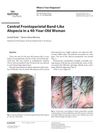 January 2018 in “Skin appendage disorders”
 A woman's hair loss was correctly diagnosed as Lichen planopilaris after initial misdiagnosis, highlighting the usefulness of trichoscopy in diagnosing hair disorders.
April 2025 in “Journal of Diabetes & Metabolic Disorders” This study found that linc-PINT expression was significantly decreased in patients with atrial fibrillation compared to healthy controls, while several TGF-β signaling genes were increased, suggesting a potential role in heart arrhythmias' pathogenesis.
1 citations
,
May 2024 in “Dermatology Online Journal” In this case study, two middle-aged patients with pruritic scalp erosions were diagnosed with localized pemphigus vulgaris, which resolved without relapse after treatment with low-dose oral prednisone and intralesional triamcinolone acetonide.
 September 2019 in “Journal of Investigative Dermatology”
 This study found that a history of smoking significantly predicted a more refractory course of palmoplantar pustulosis, with associated comorbidities often including hypertension, type 2 diabetes mellitus, and thyroid diseases.
20 citations
,
January 2015 in “Biochimica and biophysica acta. Molecular and cell biology of lipids” This review discusses lysophosphatidic acid's role in neuropathic pain and cholestatic itch, highlighting its complex signaling pathways, but reports no new clinical results.
49 citations
,
November 2021 in “Annual review of pathology” This review discusses the regulatory roles of lysophospholipids like LPA and S1P in diseases such as fibrosis, neuropathic pain, and cancer, but reports no new clinical results.
4 citations
,
April 2024 in “Clinical Cosmetic and Investigational Dermatology” This review examines the trichoscopic characteristics of scalp DLE and LPP, correlating these findings with histopathological data, but provides no new clinical results.
 July 1998 in “Proceedings of SPIE”
 This study found that Low Power Laser therapy may be an effective complementary treatment for scalp alopecia and crural ulcers, showing quicker and potentially better results than conventional treatments.
 1 citations
,
January 2020 in “Skin appendage disorders”
1 citations
,
January 2020 in “Skin appendage disorders” This study questions whether lymphocytic infiltrate and fibrosis observed after uncomplicated hair transplants might be expected without indicating lichen planopilaris.
January 2026 in “Case Reports in Dermatological Medicine” This report identified a family of Iranian siblings with diverse clinical forms of Lichen Planus, suggesting potential genetic and environmental involvement in its pathogenesis.
11 citations
,
January 2018 in “Jaypee's international journal of clinical pediatric dentistry” This report describes the clinical presentation of Papillon-Lefèvre syndrome in two brothers and reviews the related literature, without providing new clinical outcomes.
1 citations
,
July 2024 in “JAAD Case Reports” This study links scalp pruritus in lichen planopilaris and its variants to the inflammation-induced release of substance P and calcitonin gene-related peptide by sensory nerves around hair follicle inflammation sites.
 73 citations
,
June 2001 in “Endocrinology”
73 citations
,
June 2001 in “Endocrinology” In this study, researchers found that disrupting the PRL gene in mice led to earlier hair molting, especially in females, suggesting that PRL inhibits murine hair cycle events.
 March 2026 in “Dermatology Reports”
 This study found that frontal fibrosing alopecia had higher long-term remission rates compared to lichen planopilaris, highlighting differences in their clinical presentations and outcomes.

This study found a significant discordance between clinical symptoms and dermatoscopic signs with histopathological inflammation in patients with LPP and AFF, affecting diagnostic and therapeutic approaches.
 14 citations
,
June 2001 in “Endocrinology”
14 citations
,
June 2001 in “Endocrinology” This study found that disrupting the PRL gene in mice alters the timing of hair cycling events, causing earlier molts and changes in hair characteristics, particularly affecting female mice more significantly.
22 citations
,
April 2013 in “International Journal of Dermatology” Frontal fibrosing alopecia can occur with lichen planus pigmentosus, needing careful diagnosis and treatment.
This study found that the proteins Par3, mInsc, and Gαi3 cooperate to regulate LGN polarization and promote perpendicular cell divisions during murine epidermal morphogenesis.