4 citations
,
January 2014 in “JOURNAL OF CLINICAL AND DIAGNOSTIC RESEARCH” This article details various skin and oral lesions through illustrative figures but does not present new research results.
 2 citations
,
April 2018 in “International Journal of Research in Dermatology”
2 citations
,
April 2018 in “International Journal of Research in Dermatology” In this study, lichen striatus was the most common linear dermatosis observed, with most lesions occurring along Blaschko’s lines, and histopathological evaluation often revealed different underlying conditions.
October 2007 in “Obstetrical & Gynecological Survey” The researchers reported that low-dose methotrexate, in combination with surgical dilatation and local treatments, may improve symptoms in patients with severe stenosing vulvovaginal lichen planus.
 February 2013 in “Journal of the American Academy of Dermatology”
 This case report found that intense focused skin tightening ultrasound reduced excessive underarm sweating by nearly 80% in two patients and was associated with temporary side effects like tenderness and redness.
 September 2025 in “Clinical Case Reports”
 In this study, researchers suggested that adipose-derived exosomes could be a promising treatment option for lichen planopilaris, particularly in cases resistant to standard therapies, by potentially aiding in symptom management and hair preservation.
3 citations
,
November 2022 in “Molecules/Molecules online/Molecules annual” This study found that ingesting Lactobacillus paracasei HY7015 and Lycopus lucidus Turcz. extract promoted hair regrowth and follicle maturation in mice by enhancing cytoprotective effects and growth factor expression.
 22 citations
,
April 2011 in “Anais Brasileiros de Dermatologia”
22 citations
,
April 2011 in “Anais Brasileiros de Dermatologia” This report describes two cases where lichen planopilaris may have compromised the hair follicles in both donor and recipient areas following follicular unit transplantation.
7 citations
,
January 2021 in “bioRxiv (Cold Spring Harbor Laboratory)” This study found that epithelial cells in the skin of live mice regulate the density and spatial organization of immune cells, which actively maintain their position despite constant cell turnover.
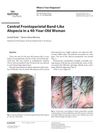 January 2018 in “Skin appendage disorders”
 A woman's hair loss was correctly diagnosed as Lichen planopilaris after initial misdiagnosis, highlighting the usefulness of trichoscopy in diagnosing hair disorders.
 November 2016 in “Journal of The American Academy of Dermatology”
 Control symptoms and use safe treatments for skin conditions like lichen planopilaris and chronic cutaneous lupus erythematosus.
June 2021 in “Current developments in nutrition” In this open-label study, participants reported that the LustrivaTM BH-002 two-step system improved various aspects of hair, skin, and nail health and appearance after three months of use.
 73 citations
,
April 2010 in “Anais Brasileiros de Dermatologia”
73 citations
,
April 2010 in “Anais Brasileiros de Dermatologia” This study concluded that dermoscopy enhances the diagnostic capability for cicatricial alopecia beyond clinical inspection and identified novel dermoscopic features such as blue-grey dots.
May 2024 in “JAAD Case Reports” This case report describes a 29-year-old man with a year-long non-itchy skin eruption and hair loss, with distinct papules and plaques across his scalp, beard, body, and suprapubic regions, but no systemic symptoms or family history of autoimmune disease.
 October 2021 in “The Egyptian Journal of Hospital Medicine”
 In this study, intralesional platelet-rich plasma was found to be a beneficial and safe treatment option for oral lichen planus, an inflammatory disease affecting the oral mucosa.
July 2023 in “Belarusian State Pedagogical University repository (Belarusian State Pedagogical University)” This study found that litchi twig water and ethanol extracts exhibited protective effects against DHT-induced damage in androgenetic alopecia models, suggesting potential for use in hair growth promotion and waste reduction.
July 2024 in “Skin Appendage Disorders” This review discusses the role of trichoscopy in diagnosing lichen planopilaris and reports no clinical results; the authors emphasize early recognition to potentially prevent permanent scarring.
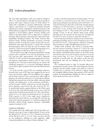 April 2012 in “Informa Healthcare eBooks”
 Lichen planopilaris is a rare, chronic condition causing hair loss, mainly in middle-aged women, and early treatment is important to prevent permanent baldness.
3 citations
,
October 2011 This article discusses revised SLE classification criteria by the SLICC and reports no new research results.
3 citations
,
August 2024 in “Molecular Biology Reports” This study found that the lncRNA018392, responsive to melatonin, accelerates cell proliferation in cashmere goats by recruiting the transcription factor SPI1 to upregulate the nearby gene CSF1R, which may explain the molecular mechanisms of cashmere growth.
1 citations
,
April 2022 in “Clinical Cosmetic and Investigational Dermatology” In this study, a case of lichen amyloidosis on the scalp significantly improved with a 2-month topical treatment using clobetasol propionate/all-trans retinoic acid ointment.
48 citations
,
November 2018 in “Journal of dermatological treatment” In a study reviewing 291 patients with lichen planopilaris, findings revealed that women were more commonly affected than men, cyclosporine and methotrexate were most effective in achieving remission, and 5-alpha reductase inhibitors and systemic retinoids were particularly beneficial for frontal fibrosing alopecia.
 July 2026 in “Frontiers in Immunology”
 This review summarizes recent findings on the role of lactylation, a novel post-translational modification, in skin diseases, suggesting its potential as a therapeutic target by linking metabolism, epigenetic regulation, and inflammatory processes.
 5 citations
,
January 2015 in “Evidence-based complementary and alternative medicine”
5 citations
,
January 2015 in “Evidence-based complementary and alternative medicine” The authors concluded that the combination of 755 nm alexandrite laser and topical licorice is more effective than the alexandrite laser alone in reducing idiopathic hirsutism in women, with no serious adverse reactions reported.
 10 citations
,
June 2019 in “Case reports in dermatology”
10 citations
,
June 2019 in “Case reports in dermatology” This paper presents a case of a young male with linear and annular lupus panniculitis of the scalp, detailing trichoscopic findings and their correlation with histopathological features, but reports no new generalizable results.
 September 2021 in “CRC Press eBooks”
 This review discusses the clinical and trichoscopic features of lichen planopilaris and notes its potential underdiagnosis prior to hair transplant, but it reports no new findings.
29 citations
,
March 2016 in “Dermatologic therapy” In this study, a patient with lichen planopillaris experienced complete resolution of itching and hair shedding following treatment with a new platelet-rich plasma regimen, marking the first reported success in this context.
 7 citations
,
June 2010 in “Journal of The American Academy of Dermatology”
7 citations
,
June 2010 in “Journal of The American Academy of Dermatology” This paper reports a single case of lichenoid cutaneous sarcoidosis that was unresponsive to standard treatments but showed marked improvement with the administration of oral tranilast.
 2 citations
,
January 2018 in “Recent clinical techniques, results, and research in wounds”
2 citations
,
January 2018 in “Recent clinical techniques, results, and research in wounds” This review discusses the effects of low-level laser therapy in various biological processes for wound healing and tissue repair and reports no new results.
1 citations
,
February 2026 in “ACS Nano” This study developed the TLMG hydrogel, a seamless in situ biointerface platform, demonstrating robust adhesion, high conductivity, and therapeutic effects for intelligent wound management in complex animal models and human tests, indicating its promise for integrated bioelectronic medicine.
 June 2024 in “International Journal of Dermatology”
 This article in the International Journal of Dermatology reports on a case series where the drug upadacitinib was used to treat patients with recalcitrant lichen planopilaris, but no abstract or detailed results are provided to assess its efficacy or safety fully.