 63 citations
,
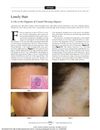
October 2011 in “Archives of Dermatology”
63 citations
,
October 2011 in “Archives of Dermatology” Isolated long hairs at the original hairline can help diagnose Frontal Fibrosing Alopecia.
 May 2015 in “Journal of The American Academy of Dermatology”
 5% minoxidil foam helps women with thinning hair.
 23 citations
,
January 2013 in “Indian Journal of Dermatology, Venereology and Leprology”
23 citations
,
January 2013 in “Indian Journal of Dermatology, Venereology and Leprology” This article reviews the pathophysiology, diagnosis, and treatment of female pattern hair loss, highlighting the importance of early medical intervention to arrest hair loss progression, but reports no new clinical results.
 31 citations
,
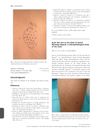
April 2010 in “British journal of dermatology/British journal of dermatology, Supplement”
31 citations
,
April 2010 in “British journal of dermatology/British journal of dermatology, Supplement” This report describes two patients with frontal fibrosing alopecia who developed acute hair loss on their limbs, revealing that the limb alopecia had similar histological features to scalp alopecia.
 September 1997 in “BioMed Research International”
 This review discusses the current understanding of the epidemiology, pathogenesis, clinical manifestations, and diagnosis of female pattern hair loss and reports no new research results.
35 citations
,
January 2020 in “Journal of the American Academy of Dermatology” Avoiding certain allergens in personal care products may improve symptoms for some patients with lichen planopilaris or frontal fibrosing alopecia.
February 2022 in “Brazilian Journal of Health Review” In this study, researchers found that among women with frontal fibrosing alopecia and hyperpigmented facial lesions, most cases were diagnosed with lichen planus pigmentosus, while some were identified as melasma or drug-induced.
 1 citations
,
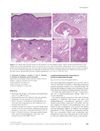
February 2009 in “Clinical and Experimental Dermatology”
1 citations
,
February 2009 in “Clinical and Experimental Dermatology” This study reports an improvement in lymphomatoid papulosis type A in a 52-year-old patient who concurrently used hormone-replacement therapy.
 8 citations
,
June 2022 in “Scientific Reports”
8 citations
,
June 2022 in “Scientific Reports” Using a transgenic pig model, this study demonstrated that LGR5 is a marker of hair follicle stem cells across different species, with important similarities and differences in gene expression and developmental processes.
March 2026 in “PubMed Central” This study reports that the prevalence of female pattern hair loss increases with age, affecting 12% of women by age 29, 25% by age 50, and 41% to 50% by age 70 and older, with risk factors including genetics and certain endocrinological conditions.
 September 2024 in “Journal of the American Academy of Dermatology”
 This study found that female pattern hair loss patients who used gratitude journals saw notable improvements in perceived hair loss and quality of life over one month compared to controls, with 83% reporting improvement in hair loss versus 33% in the control group.
 April 2018 in “Journal of Investigative Dermatology”
 This study suggests that macrophages play a more substantial role in the pathogenesis of Lichen planopilaris compared to Frontal fibrosing alopecia, as indicated by increased CD68+ cells in Lichen planopilaris.
 March 2025 in “International Journal of Trichology”
 This case report describes the first observed instance of fibrosing alopecia in a pattern distribution in a child, suggesting the condition is not solely androgen dependent.
 July 2022 in “Research Square (Research Square)”
 This study found that Egyptian women with frontal fibrosing alopecia had lower serum PPARγ levels and a higher occurrence of PPARG gene polymorphism compared to healthy controls, suggesting a potential role for PPARγ in the condition's development.
8 citations
,
June 2004 in “Journal of Investigative Dermatology” Certain peptides can prevent hair loss in young rats caused by a cancer drug.
 13 citations
,
January 2019 in “Skin appendage disorders”
13 citations
,
January 2019 in “Skin appendage disorders” This study reported that fibrosing alopecia in a pattern distribution can occur in patients of color, with clinical and histopathological features allowing for an accurate differential diagnosis.
 14 citations
,
June 2021 in “British journal of dermatology/British journal of dermatology, Supplement”
14 citations
,
June 2021 in “British journal of dermatology/British journal of dermatology, Supplement” This paper presents consensus guidelines for standardized diagnostic criteria and assessment methods for frontal fibrosing alopecia to improve clinical research and data collection globally.
 33 citations
,
January 2015 in “Journal of Cosmetic Dermatology”
33 citations
,
January 2015 in “Journal of Cosmetic Dermatology” This study reports that familial frontal fibrosing alopecia was diagnosed earlier in premenopausal women compared to postmenopausal women, though long-term outcomes remain uncertain without a definitive treatment.
 September 2017 in “Journal of Investigative Dermatology Symposium Proceedings”
 This review discusses the clinical features of hypopigmented mycosis fungoides in primary cutaneous T cell lymphoma and reports no new clinical results.
 February 2021 in “Dermatologic Therapy”
 This study concluded that intralesional lyophilized growth factor injections are safe and improve trichoscopic hair parameters and clinical scores in patients with female pattern hair loss.
 April 2025 in “Journal of Investigative Dermatology”
 This study found that elevated luteinizing hormone levels were significantly associated with female pattern hair loss, and implicated LH/LHR signaling in the aging and damage of hair follicles.
 11 citations
,
May 2023 in “Journal of Cutaneous Medicine and Surgery”
11 citations
,
May 2023 in “Journal of Cutaneous Medicine and Surgery” This study found that combining plasma rich in growth factors with conventional treatment significantly improved hair regrowth and reduced symptoms in patients with frontal fibrosing alopecia compared to conventional treatment alone.
January 2016 in “Indian dermatology online journal” This case report describes a 50-year-old woman with frontal fibrosing alopecia who showed no improvement despite multiple treatments, including intralesional triamcinolone and topical glucocorticoids.
1 citations
,
January 2020 in “Bioscientia medicina” This review covers female pattern hair loss, outlining its progression, existing treatments like topical minoxidil and laser therapy, and notes that anti-androgen therapies need further investigation.
 June 2024 in “British Journal of Dermatology”
 This case report highlights the diagnosis of folliculotropic mycosis fungoides in a 15-year-old boy with atypical skin and hair follicle changes, a rare occurrence in pediatric patients.
March 2017 in “International Society of Hair Restoration Surgery” Female hair loss may be linked to heart health and aging.
 12 citations
,
January 2020 in “Skin appendage disorders”
12 citations
,
January 2020 in “Skin appendage disorders” Low-dose oral minoxidil effectively treats female hair loss with good safety.
 August 2021 in “Annals of Agricultural and Environmental Medicine”
 This review provides a detailed analysis of frontal fibrosing alopecia, focusing on its prevalence in postmenopausal Caucasian women, associated comorbidities, and potential autoimmune, genetic, hormonal, and environmental factors; it emphasizes the need for improved understanding to enhance diagnosis and treatment.
 35 citations
,
January 2014 in “BioMed Research International”
35 citations
,
January 2014 in “BioMed Research International” This review examines the epidemiology, pathogenesis, clinical manifestations, and diagnosis of female pattern hair loss and reports no new results.
 20 citations
,
January 2014 in “Journal of the European Academy of Dermatology and Venereology”
20 citations
,
January 2014 in “Journal of the European Academy of Dermatology and Venereology” This article includes no new results; it discusses ongoing treatment approaches for frontal fibrosing alopecia and lichen planopilaris.