 1 citations
,
November 2023 in “Journal of cosmetic dermatology”
1 citations
,
November 2023 in “Journal of cosmetic dermatology” This study developed a novel antidandruff shampoo with ketoconazole-coated zinc oxide nanoparticles that showed enhanced antifungal activity against Malassezia furfur compared to standard ketoconazole treatments, suggesting it could be a more effective alternative for dandruff management.
 1 citations
,
November 2019 in “International Journal of Women's Dermatology”
1 citations
,
November 2019 in “International Journal of Women's Dermatology” Ketoconazole shampoo can cause rare pink hair discoloration.
 1 citations
,
February 2014 in “Analytical Letters”
1 citations
,
February 2014 in “Analytical Letters” This study developed a fast and sensitive ultra-high performance liquid chromatography method to quantify ketoconazole in antidandruff emulsions, showing comparable results to labeled concentrations.
 April 2021 in “Research Square (Research Square)”
 This study found that the new cocrystal formulation KET-PABA improved the antimycotic efficiency of ketoconazole and induced an anti-inflammatory response without causing skin sensitization in mice.
June 2026 in “International Journal of Advanced Multidisciplinary Research and Studies” This study highlights the potential of a ketoconazole antifungal hair spray as an innovative and effective topical method for treating tinea capitis, offering benefits such as easy application, improved drug penetration, and reduced systemic exposure compared to conventional treatments.
 April 2026 in “BioNanoScience”
 A new microneedle system may improve hair loss treatment by delivering ketoconazole directly to hair follicles.
 April 2026 in “International Journal of Drug Delivery Technology”
 The study developed herbal shampoo formulations using isolated phytoconstituents, such as eugenol, rutin, menthol, and camphor, which demonstrated similar antifungal efficacy to ketoconazole but with improved safety and detergency, offering a promising alternative for managing seborrheic dermatitis.

This study reports that a novel ketoconazole-loaded microneedle array significantly enhances drug delivery and retention in the skin, demonstrating improved hair growth in animal models, suggesting a promising treatment for androgenic alopecia that addresses current topical therapies' limitations.
 October 2025 in “Zenodo (CERN European Organization for Nuclear Research)”
 Ritlecitinib may help young adults with severe alopecia areata when ketoconazole fails.
 October 2025 in “Zenodo (CERN European Organization for Nuclear Research)”
 Ritlecitinib may help young adults with severe alopecia areata when ketoconazole doesn't work.
 October 2025 in “Zenodo (CERN European Organization for Nuclear Research)”
 Focus on general hair care and lifestyle changes.
 October 2025 in “Zenodo (CERN European Organization for Nuclear Research)”
 Focus on general hair care and lifestyle changes.
 April 2025 in “Medical Science”
 This review of existing clinical studies suggests that the ketogenic diet may help women with PCOS improve insulin sensitivity, reduce hyperandrogenism, and lose weight, although its long-term safety and hormonal impact require further investigation.
 April 2025 in “Clinical and Translational Discovery”
 In this study, ketoconazole-loaded transferosomes were developed and demonstrated improved hair growth compared to a commercially available ketoconazole product, with the formulation showing enhanced drug penetration and minimal skin irritation in vivo.
 March 2025 in “JEADV Clinical Practice”
 This article explores the role of ketoconazole shampoo in hair care beyond treating dandruff and seborrhoeic dermatitis, suggesting it may reduce hair shedding and chronic scalp inflammation, potentially complementing treatments for androgenetic alopecia.

This case report explores a 28-year-old man with type 2 diabetes who experienced telogen effluvium, a type of hair loss, following treatment for euglycemic diabetic ketoacidosis with luseogliflozin, possibly triggered by physical stress related to his condition and treatment.
 September 2024 in “Journal of Clinical and Nursing Research”
 This study found that combining Chuzhi Shengfa Tablets with either ketoconazole shampoo or 5% minoxidil foam significantly improved hair density, hair diameter, and reduced scalp oil in men with androgenetic alopecia, without increasing adverse reactions.
 May 2024 in “Indian journal of pharmacy and pharmacology”
 This in-vitro study reported that a luliconazole-based formulation improved hair cuticle integrity and was more effective than ketoconazole in repairing damaged hair after 5 and 10 washes, with sensory analysis supporting these results. Further human studies are needed to confirm its clinical effects.
 May 2023 in “Asian journal of research in pharmaceutical sciences”
 This study concluded that topical ketoconazole is effective and safe for treating superficial fungal infections and has potential for new dermatologic uses despite concerns over oral administration's adverse effects.
 March 2022 in “International Journal of Current Science Research and Review”
 This article describes subclinical ketosis in pregnant cows and associates it with several metabolic changes and clinical signs, reporting decreased levels of hemoglobin and glucose and increased ketone bodies.
March 2021 in “Research Square (Research Square)” This study analyzed the structure and dynamics of ketoconazole, revealing how its molecular characteristics, such as spin-lattice relaxation time and chemical shift anisotropy, are influenced by π-π stacking interactions and different carbon site environments.
This study found that ethanol extract of fragrant pandanus leaves inhibited the growth of the dandruff-causing fungus Pityrosporum ovale, with higher concentrations showing greater inhibitory effects.
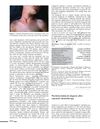
This abstract discusses pellagra as a nutritional disorder characterized by a known set of symptoms but reports no new clinical findings; the authors review existing knowledge and suggest further research.
70 citations
,
September 2017 in “Expert opinion on therapeutic patents” This review examines the patent literature on AKR1C3 inhibitors and suggests that although numerous potent inhibitors exist, further preclinical optimization is necessary before assessing their therapeutic potential in human diseases.
 39 citations
,
March 2008 in “Growth hormone & IGF research”
39 citations
,
March 2008 in “Growth hormone & IGF research” Raspberry ketone may help grow hair and improve skin elasticity.
 38 citations
,
September 2006 in “Journal of Dermatological Science”
38 citations
,
September 2006 in “Journal of Dermatological Science” This study evaluated the effect of 2% ketoconazole lotion for androgenetic alopecia, but the results regarding its effectiveness on clinical appearance remained unclear.
8 citations
,
June 2023 in “European Journal of Endocrinology” This study identified serum androsterone as a robust biomarker for monitoring response to AKR1C3 inhibitor treatment in women and found that a 4-week administration of aldo-keto reductase 1C3 inhibitors did not impact ovarian function.
 6 citations
,
April 2013 in “Alternative and Complementary Therapies”
6 citations
,
April 2013 in “Alternative and Complementary Therapies” Raspberry ketone lacks sufficient human research to support health benefit claims and requires more rigorous studies to confirm its safety and effectiveness.
4 citations
,
April 2025 in “Antioxidants” This study found that α-ketoglutarate protected dermal papilla cells from oxidative stress by enhancing the Nrf2 pathway and mitigating cell damage through the ERK/Nrf2 axis.
 1 citations
,
December 1999 in “Dermatologic Surgery”
1 citations
,
December 1999 in “Dermatologic Surgery” Propofol-ketamine and propofol-fentanyl are effective and safe for cosmetic surgery sedation.