19 citations
,
October 2023 in “Bioengineering” This study reviewed the efficacy of mechanical fractionation techniques to produce tissue stromal vascular fraction (tSVF) and found that tSVF injections are particularly effective for conditions like osteoarthritis and wound healing, with centrifugation before fractionation improving isolation efficiency regardless of preparation method.
9 citations
,
May 2023 in “Stem Cell Research & Therapy” This study found that mesenchymal stem cell treatment alleviated atopic dermatitis-like symptoms in a mouse model by modulating immune and inflammatory responses, with gene expression changes suggesting pathways for potential personalized treatment approaches.

Ganoderma lucidum extract may help treat stress-related hair loss.
December 2005 in “Science s STKE” This study reports that localized Rho GTPase activity and ROS production play a critical role in polarized growth and movement in both migrating endothelial cells and developing plant root hairs.
 60 citations
,
January 2004 in “The journal of investigative dermatology/Journal of investigative dermatology”
60 citations
,
January 2004 in “The journal of investigative dermatology/Journal of investigative dermatology” This study found that inhibiting PKC-β activity with bisindolylmaleimide reduces pigmentation in the skin and hair of guinea pigs and mice by preventing tyrosinase activation.
 5 citations
,
January 2022 in “PloS one”
5 citations
,
January 2022 in “PloS one” This study found that lineage-restricted loss of p63 in murine thymic epithelial cells resulted in severe thymic hypoplasia and absence of hair follicles, indicating p63's critical role in thymic and hair follicle development.
20 citations
,
January 1995 in “Journal of Dermatological Science” This study found that topical application of cyclosporin A and FK506 induces new hair growth in mice, while ascomycin and rapamycin do not, suggesting hair induction is not due to immunosuppression.
62 citations
,
February 2018 in “Scientia Horticulturae” In this study, the authors reported that mycorrhizal treatment in trifoliate orange seedlings affected root hair growth and auxin-related gene expressions differently under varying phosphorus levels.
5 citations
,
May 2024 in “Developmental Cell” Lower GATA3 levels in mice help hair regrow by changing certain immune cells.
 15 citations
,
February 2009 in “Cell Stem Cell”
15 citations
,
February 2009 in “Cell Stem Cell” This study found that hair germ cells, derived from bulge stem cells, respond faster to dermal papilla signals and have limited proliferation compared to bulge cells during hair regeneration.
This study suggests that PDRN may enhance wound healing by reducing MIR135b expression, which in turn increases FOXO1 expression in keratinocytes.
71 citations
,
June 2005 in “Journal of Investigative Dermatology” This study demonstrates that PAD1 and PAD3 are involved in hair follicle differentiation, while PAD1 and PAD2 may play a role in the physiology of sweat glands and arrector pili muscles.
88 citations
,
April 2012 in “Journal of Investigative Dermatology” This study suggests that TRPV3 may play a key role in dry skin-related itch, indicating potential for TRPV3 antagonists in treating pruritus resistant to histamine H1R antagonists.
166 citations
,
September 2011 in “The Journal of Cell Biology” This study found that the p63 transcription factor plays a role in epidermal morphogenesis by regulating Satb1 expression, impacting chromatin architecture and gene expression in epidermal progenitor cells.
July 2026 in “Journal of Investigative Dermatology”  8 citations
,
February 2017 in “Archives of Dermatological Research”
8 citations
,
February 2017 in “Archives of Dermatological Research” This study found that IPL hair reduction led to significant decreases in hair count and thickness by promoting hair follicle miniaturization, increased telogen phase, and reduced cell proliferation.
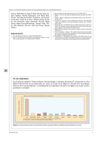
The document corrects a mistake by stating that pimecrolimus, not tacrolimus, is the drug that concentrates in the skin.
![Antiexudative Effects of Finasteride and a New Pyrazolo[C]Pyridine Derivative GIZh-72 in Acetic Acid-Induced Experimental Peritonitis](/images/assets/10e636c8-32b7-4d90-b645-80e0039c5960/small/4762.jpg) February 2020 in “Bulletin of Experimental Biology and Medicine”
February 2020 in “Bulletin of Experimental Biology and Medicine” Finasteride and GIZh-72 reduce inflammation, with GIZh-72 being more effective.
124 citations
,
November 2000 in “The journal of investigative dermatology/Journal of investigative dermatology” This study found that human peptidylarginine deiminase type III is the predominant isoform in hair follicles and may modulate structural proteins during hair and hair follicle formation.
52 citations
,
February 2012 in “PloS one” This study found that the absence of Ctip2 in epidermal keratinocytes led to impaired wound healing in mice, affecting cell migration, proliferation, and hair follicle stem cell maintenance.
August 2026 in “Pharmacy Reports” This study found that a nanoemulsion hair spray formula with 25% PEG 400 showed promising physicochemical stability, but further research is needed to assess its colloidal stability and efficacy in hair growth.
6 citations
,
June 2016 in “Journal of cellular biochemistry” This study found that the mammalian Hr protein can interact with the p53 pathway by binding to a specific p53 response element, influencing the regulation of genes involved in cell cycle control.
 12 citations
,
June 2020 in “Frontiers in Cell and Developmental Biology”
12 citations
,
June 2020 in “Frontiers in Cell and Developmental Biology” This study found that the PP2A-B55α regulatory subunit is crucial for ectodermal development in mice, with knockout embryos displaying severe neural and epidermal defects and failing to survive to birth.
 7 citations
,
August 2017 in “PloS one”
7 citations
,
August 2017 in “PloS one” This study found that NIH hairless mice exhibit abnormalities in hair growth and immune-related pathways, with Pik3r1 and Pik3r3 identified as key genes for further investigation.
34 citations
,
June 2022 in “Viruses” This study found that the natural alkaloid cepharanthine effectively inhibited porcine epidemic diarrhea virus infection in newborn piglets.
2 citations
,
February 2012 in “PubMed” This study found that Gp₄G increased hair length, papilla cell numbers, and versican deposition in treated animals, potentially through alterations in hair follicle phases and nucleotide concentrations.
40 citations
,
July 2015 in “Kidney International” This study found that blocking interleukin-3 improved lupus nephritis symptoms in MRL/Ipr mice, suggesting IL-3 may play a role in the disease's progression.
 August 2019 in “Journal of Invertebrate Pathology”
 This study observed that different alkaline buffers had a significant impact on the volume of liquid consumed by fall armyworm larvae, emphasizing the importance of measuring imbibed volumes to reduce dose errors in bioassays.
43 citations
,
March 1942 in “The Journal of experimental medicine/The journal of experimental medicine” This study found that mice can synthesize inositol, but this ability is impaired when pantothenic acid is lacking in their diet.
 May 2025 in “Science Advances”
 In this study, researchers reported that hair follicle stem cells maintain quiescence through a PIEZO1-dependent mechanism that senses mechanical forces and translates them into localized calcium influx, involving a transcriptional network that regulates cell adhesion and cytoskeleton-related genes.