 6 citations
,
April 2025 in “Communications Biology”
6 citations
,
April 2025 in “Communications Biology” In this study, researchers used a murine model of irritant contact dermatitis to reveal that hair follicle regions serve as key sites for neutrophil transepidermal migration, which requires MMP-9 expression stimulated by dermal monocytes.
 9 citations
,
April 2023 in “Frontiers in immunology”
9 citations
,
April 2023 in “Frontiers in immunology” This review discusses the current and emerging methods for profiling skin microbes to advance our understanding of the microbiome in skin disease, but it reports no new clinical findings.
 January 2016 in “Elsevier eBooks”
 This chapter reviews trichoscopic criteria and diagnostic features for various hair and scalp conditions, emphasizing their utility in non-invasive diagnosis, but reports no new clinical results.
 3 citations
,
October 2022 in “Frontiers in Surgery”
3 citations
,
October 2022 in “Frontiers in Surgery” This review discusses the role of proteomics in understanding skin diseases such as cancers and psoriasis, with findings suggesting cell death and metabolism as major areas of focus, but reports no new experimental results.
February 2026 in “Advanced Sensor Research” In this review, researchers examined advanced sensing technologies and bioelectronic interfaces that could improve understanding of the skin–brain axis, highlighting challenges and strategies for integrating these platforms into models for studying skin and neural interactions.
142 citations
,
March 2019 in “Molecules/Molecules online/Molecules annual” This review discusses the role of the endocannabinoid system in skin health and disease, highlighting its potential for future research and applications, but reports no new experimental results.
1 citations
,
November 2023 in “International journal of molecular sciences” This article highlights that while cannabinoids show potential for treating various skin conditions, current evidence is largely preclinical, with a need for comprehensive clinical trials to confirm these promising effects.
This article provides an overview of the indications, interactions, and various potential adverse reactions associated with several drugs, but it reports no specific new results.
70 citations
,
June 2023 in “International Journal of Molecular Sciences” In this review, researchers explored how air pollutants increase oxidative stress and inflammation in human skin, affect vitamin D synthesis, and interact with the skin microbiota, also discussing AhR/Nrf2 as a potential target for treating pollution-related skin conditions.
April 2023 in “Journal of Investigative Dermatology” In this study, trypsin digestion was found to be a faster and more efficient method than the explant technique for extracting bulge-derived keratinocytes from adult scalp biopsies.
December 2025 in “Bioengineering” This review explains that dysregulated sebum secretion and composition contribute to acne and impaired skin barriers while highlighting factors like diet and hormones affecting sebaceous activity, and identifies novel molecular targets and model systems for future therapeutic developments.
37 citations
,
August 2024 in “Current Issues in Molecular Biology” This review summarizes recent findings on keratins 6, 16, and 17, highlighting their role in keratinocyte behavior and nuclear functions, and discusses their potential as biomarkers for various skin pathologies, including damage, inflammation, and cancer, rather than in healthy skin.
20 citations
,
January 2023 in “Frontiers in Immunology” This review discusses the role of skin-associated adipocytes in modulating skin immune responses and infection, reporting no new experimental results.
18 citations
,
April 2010 in “Archives of Dermatology” This case report describes a patient with psoriasis and alopecia universalis where psoriasis plaques supported hair growth, suggesting cytokine interaction may influence competing immune responses.
 3 citations
,
September 2017 in “Pediatric Dermatology”
3 citations
,
September 2017 in “Pediatric Dermatology” This article discusses contact dermatitis linked to alopecia and hyperpigmentation, but it reports no new clinical results.
 12 citations
,
June 2010 in “Journal of dermatology”
12 citations
,
June 2010 in “Journal of dermatology” This study found that hyperpigmentation following contact immunotherapy for severe alopecia areata may indicate poor treatment responsiveness and aligns with characteristics of pigmented contact dermatitis.
 October 2016 in “Veterinary record case reports”
 This article describes a case of feline exfoliative dermatitis associated with a suspected thymoma, diagnosed using histopathology and imaging, and does not report new research findings beyond the case description.
 76 citations
,
October 2019 in “Dermatology and Therapy”
76 citations
,
October 2019 in “Dermatology and Therapy” This review discusses the diagnosis, treatment, and management of atopic dermatitis in developing countries and identifies significant unmet medical needs, particularly in access to care and effective treatments; it reports no clinical results.
 59 citations
,
July 2015 in “Journal of Immunology”
59 citations
,
July 2015 in “Journal of Immunology” This study found that disrupting inflammasome signaling by eliminating caspase-1 and -11 in mice reduced skin inflammation and delayed the onset of disease, highlighting their role in skin disease pathogenesis.
 38 citations
,
June 2005 in “Contact Dermatitis”
38 citations
,
June 2005 in “Contact Dermatitis” This case report describes a patient with an allergic sensitization to minoxidil, indicating that such patients should pursue alternative therapies to treat androgenetic alopecia.

In this study, researchers used a mouse model to identify an adipocyte-to-fibroblast conversion pathway that promotes mast-cell recruitment and dermal fibrosis in atopic dermatitis, suggesting a potential therapeutic approach to block this process and reduce inflammation and fibrosis.
 1 citations
,
October 2025 in “Nano Research”
1 citations
,
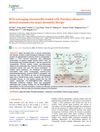
October 2025 in “Nano Research” In this study, researchers developed a dissolvable microneedle patch combining HA-TEMPO and Portulaca oleracea L.-derived nanoparticles, which effectively reduced oxidative stress and inflammation in an atopic dermatitis model while restoring immune balance, suggesting a promising treatment strategy.
 April 2026 in “Journal of Pharmaceutical Investigation”
 This review discusses recent advancements in nanotechnology for treating hypertrophic scarring and atopic dermatitis, highlighting the potential of nanotherapeutic platforms in enhancing therapeutic effects by modulating the skin's microenvironment.
 63 citations
,
March 2016 in “International Journal of Molecular Sciences”
63 citations
,
March 2016 in “International Journal of Molecular Sciences” This review discusses the pathophysiology of sleep disturbance in children with atopic dermatitis and highlights the need for further research on management strategies, but provides no new clinical results.
 40 citations
,
December 2012 in “PLoS ONE”
40 citations
,
December 2012 in “PLoS ONE” This study found that selective deletion of Ctip2 in epidermal keratinocytes in adult mice leads to atopic dermatitis-like inflammation and suggests Ctip2 plays a crucial role in skin barrier maintenance and inflammatory regulation.
 15 citations
,
July 2002 in “Australasian Journal of Dermatology”
15 citations
,
July 2002 in “Australasian Journal of Dermatology” In this case report, two plywood mill workers developed allergic contact dermatitis due to exposure to uncured phenol-formaldehyde resin, not sawdust as initially suspected.
 8 citations
,
November 2022 in “Cureus”
8 citations
,
November 2022 in “Cureus” In this study, patients with mild to moderate scalp seborrheic dermatitis experienced greater improvements in severity scores and quality of life with Lulican™ shampoo compared to Ketoconazole over four weeks, with similar safety profiles but better tolerability and cosmetic acceptability for LulicanTM.
 July 2026 in “Buletin Veteriner Udayana”
 In this case report, combination therapy effectively resolved chronic malasseziosis within 28 days in a small-breed dog from a Southeast Asian tropical climate, with significant symptom improvement and reduced Malassezia density observed by week 4.
 June 2026 in “Frontiers in Immunology”
 In this case report, a 57-year-old man with severe atopic dermatitis, vitiligo, and alopecia areata showed rapid and significant improvement after treatment with the JAK1 inhibitor upadacitinib, suggesting its potential as an effective monotherapy for these co-existing conditions when conventional therapies fail.
 March 2026 in “Cosmoderma”
 This clinical study found that using a cream or lotion as an additional treatment alongside standard care for atopic dermatitis significantly reduced symptoms and improved skin moisturization and barrier function within 28 days compared to standard care alone in participants with mild-to-moderate eczema.