Search
for
Sort by
Research
30-60 / 1000+ results
research The Influence of 3% Hydrogen Peroxide on the Survival Rate of Hair Grafts When Used as an Antiseptic Solution for Surgical Wound Care
This study found that using 3% hydrogen peroxide for surgical wound care during hair restoration did not significantly affect the survival rate of hair grafts compared to normal saline.

research Preliminary Effects of Hyperbaric Oxygen Therapy on Hair Follicle Characteristics in Healthy Subjects
This preliminary study suggests that hyperbaric oxygen therapy may improve scalp health and follicle activation in healthy adults, with subjective assessments showing significant improvements despite mixed objective findings.

research Identification of microRNAs involved in growth arrest and cell death in hydrogen peroxide-treated human dermal papilla cells
In this study, transcriptome analysis identified 68 differentially expressed miRNAs in human dermal papilla cells treated with hydrogen peroxide, suggesting they play a significant role in growth arrest and apoptosis.
research Hydrogen peroxide disrupts scarless fetal wound repair
This study found that hydrogen peroxide interfered with scarless healing in a murine fetal wound repair model, potentially by inducing transforming growth factor-beta1, which may contribute to increased fibrosis.
research Tailored Effects of Plasma-Activated Water on Hair Structure Through Comparative Analysis of Nitrate-Rich and Peroxide-Rich Formulations Across Different Hair Types
This study found that peroxide-rich plasma-activated water caused minimal morphological damage to hair, while nitrate-rich plasma-activated water induced significant damage, especially in porous hair types.

research Intrinsic and Extrinsic Factors Associated with Hair Graying (Canities) and Therapeutic Potential of Plant Extracts and Phytochemicals
This review explored the causes of hair graying and evaluated how plant-derived extracts and phytochemicals might alleviate it, noting that certain compounds showed potential in enhancing melanocyte function, reducing oxidative stress, and influencing stress-related pathways based on experimental evidence.
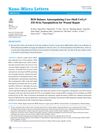
research ROS Balance Autoregulating Core–Shell CeO2@ZIF-8/Au Nanoplatform for Wound Repair
In this study, researchers created a core-shell nanozyme, CeO2@ZIF-8/Au, which autonomously regulates ROS levels to efficiently eliminate bacteria, reduce inflammation, and promote wound healing by balancing ROS generation and scavenging in response to environmental conditions.
research Porous hydrogel of wool hair keratin as a substrate for cell culture
In this study, a porous keratin hydrogel derived from wool hair demonstrated strong mechanical properties and supported the growth of various animal cells, indicating potential as a scaffold in tissue engineering.
research Hydrogen peroxide (H2O2) suppresses hair growth through downregulation of β-catenin
Hydrogen peroxide in hair dye can cause hair loss.

research 1328 HIF1A stabilisation in the human hair follicle promotes glycolysis
In this study, researchers found that stabilizing the protein HIF1A in hair follicles promotes glycolysis over oxidative phosphorylation, potentially reducing oxidative stress and supporting hair growth.
research Regulation of hard α-keratin mechanics via control of intermediate filament hydration: matrix squeeze revisited
This study found that the keratin matrix in mammalian hard α-keratins is crucial for maintaining stiffness in water by controlling intermediate filament hydration.
research Glucose‐Activated Programmed Hydrogel with Self‐Switchable Enzyme‐Like Activity for Infected Diabetic Wound Self‐Adaptive Treatment
This study found that a glucose-activated hydrogel significantly improved chronic diabetic wound healing by regulating blood glucose and enhancing the wound microenvironment, achieving a threefold increase in recovery rate compared to commercial dressings.
research Living microecological hydrogels for wound healing
In this study, the researchers developed a living microecological hydrogel containing Chlorella and Bacillus subtilis that showed potential in promoting the healing of infected diabetic wounds by providing continuous oxygen delivery and anti-infective properties.

research The Influence of 3% Hydrogen Peroxide on the Survival Rate of Hair Grafts When Used as an Antiseptic Solution for Surgical Wound Care: Experience with Five Patients
This study found that using 3% hydrogen peroxide for surgical wound care during hair restoration surgery did not significantly impact the survival rate of hair grafts compared to normal saline.

research Preliminary Effects of Hyperbaric Oxygen Therapy on Hair Follicle Characteristics in Healthy Subjects
In this preliminary study, HBOT appeared to improve subjective measures of hair and scalp health in healthy adults, but objective changes in follicle density and hair properties were not statistically significant.
research A MultifunctionalMOF Heterojunction for CombatingAntibiotic Resistance and Promoting Regenerative Immunity
In this study, researchers developed a hierarchically engineered microreactor that effectively combats infected wounds by releasing antimicrobials at acidic sites, eradicating MRSA while avoiding resistance, and enhancing tissue repair through immune system modulation.

research Dermal papilla cells and melanocytes response to physiological oxygen levels depends on their interactions
This study found that direct interactions between human dermal papilla cells and melanocytes under low oxygen conditions improved cell functions and could be important for hair regeneration efforts.
research 692 Prevention of H 2 O 2 -induced cellular senescence in human hair follicle dermal papilla cells
Certain compounds can protect hair cells from aging and promote growth.

research 280 Investigation into the role of HIF-1A stabilisation in hair follicle metabolism
This study found that stabilizing HIF1A in hair follicle cells promoted a shift to glycolysis, potentially reducing oxidative stress and promoting hair growth, particularly in balding dermal papilla cells.

research Iron-mediated DAMO–anammox process: Revealing the mechanism of electron transfer
This study investigated the electron transfer processes in an iron-mediated DAMO–anammox system, finding that Fe3+ accelerated c-type cytochrome-mediated electron transfer and suggested that riboflavin acts as an electron shuttle and DIET may occur among these microorganisms.
research The swelling behaviour of hair studied through the structural change of keratin protein during the permanent waving treatment
This study analyzed the swelling behavior of human hair during permanent waving treatment, finding that both the microstructure and macrostructure of intermediate filaments swell simultaneously at the initial stage, and while partially destructed by reduction, they are considerably restored through oxidation.
research Tannic acid and silicate-functionalized polyvinyl alcohol–hyaluronic acid hydrogel for infected diabetic wound healing
This study developed and tested a new injectable hydrogel for chronic diabetic wounds, reporting significant improvements in wound healing through enhanced angiogenesis, epithelization, and reduction of inflammation and infection in animal models.
research Physiological skin oxygen levels: An important criterion for skin cell functionality and therapeutic approaches
This review highlights that current in vitro models often fail to replicate the physiological oxygen levels experienced by different skin cell types, which could affect redox states and functions, potentially accelerating skin aging.
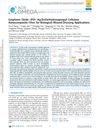
research Graphene Oxide–IPDI–Ag/ZnO@Hydroxypropyl Cellulose Nanocomposite Films for Biological Wound-Dressing Applications
This study found that AGO@HPC nanocomposite films demonstrated enhanced mechanical, anti-ultraviolet, and antibacterial properties, suggesting potential for use in antibacterial packaging and wound-dressing applications.
research Flavonoids as Potential Wound-Healing Molecules: Emphasis on Pathways Perspective
This review compiled evidence suggesting that flavonoids may promote skin wound healing due to their anti-inflammatory, angiogenesis, re-epithelialization, and antioxidant properties, while also discussing current limitations and future prospects for these compounds as wound-healing agents.
research Human Hair Graying Revisited: Principles, Misconceptions, and Key Research Frontiers
This study highlights multiple factors contributing to hair graying, such as oxidative damage, melanocyte changes, and genetic influences, and suggests that repigmentation may be temporarily reversible, offering potential targets for future treatments while urging caution when applying mouse model findings to humans.
research Premature Graying of Hair: A Comprehensive Review and Recent Insights
Premature graying of hair is mainly caused by genetics, stress, and environment, with potential treatments being explored.

research Protective Effects of a New Human Placental Extract Against Hair Graying and Chemotherapy-Induced Peripheral Neuropathy
In this study, a new formulation of human placental extract showed antioxidant and neurite outgrowth activities, significantly reduced hair graying in mice, and alleviated neuropathy symptoms, suggesting potential therapeutic benefits.

research Protective Effect of Conditioned Medium of Immortalized Human Stem Cells from Exfoliated Deciduous Teeth Against Hair Graying Caused by X-Ray Irradiation via Its Antioxidative Activity
In this study, repetitive subcutaneous administrations of a conditioned medium from stem cells significantly suppressed hair graying in mice exposed to X-ray irradiation, likely through antioxidative mechanisms involving HGF and potentially VEGF.