52 citations
,
May 2011 in “APOPTOSIS” In this study, cisplatin was found to induce cell death in human hair follicle cells through hydroxyl radical generation and Bcl-2 down-regulation, suggesting potential strategies for preventing chemotherapy-induced alopecia.
4 citations
,
November 2024 in “Scientific Reports” This study found that bioconjugating 16-methylheptadecanoic acid to damaged human hair can mimic the protective function of the original 18-methyleicosanoic acid, effectively restoring both the hair's external structural integrity and its internal moisture balance.
 1 citations
,
July 2022 in “Plant Cell, Tissue and Organ Culture (PCTOC)”
1 citations
,
July 2022 in “Plant Cell, Tissue and Organ Culture (PCTOC)” This study identified that the biosynthetic pathways for coumestans in Eclipta prostrata are derived from acetate and shikimate pathways, while phenylpropanoid biosynthesis is exclusively from the shikimate pathway.
 April 2024 in “Research Square (Research Square)”
 This study found that bioconjugating 16-methylheptadecanoic acid (16-MHA) to damaged hair can mimic the protective properties of 18-methyleicosanoic acid (18-MEA), restoring the hair's structural integrity and moisture homeostasis, even after washing.
 8 citations
,
April 2011 in “Surgery today”
8 citations
,
April 2011 in “Surgery today” This study found that sodium zinc dihydrolipoylhistidinate reduced chemotherapy-induced hair loss in rats, suggesting its potential as a treatment for this side effect.
 November 2022 in “Journal of Investigative Dermatology”
 This study developed a chalcone-based molecule that significantly increased tyrosinase inhibition and solubility, showing potential as a safe and effective skin depigmenting and antiaging agent, with supportive epigenetic and antioxidant properties observed in vitro.
 1 citations
,
January 2021 in “Clinical Dermatology Open Access Journal”
1 citations
,
January 2021 in “Clinical Dermatology Open Access Journal” This study observed that the Aptamin C® and vitamin C complex had effective ROS-scavenging and anti-inflammatory effects on human skin in both in vitro and clinical tests.
April 2015 in “한국고분자학회 학술대회 연구논문 초록집”  August 2023 in “Journal of Chromatographic Science”
 This study developed a reliable UHPLC-MS/MS method to measure flavonoids from Pinus massoniana needles in rat plasma for pharmacokinetics, aiding further research on their potential use in external preparations to prevent hair loss.
 76 citations
,
February 2015 in “Industrial Crops and Products”
76 citations
,
February 2015 in “Industrial Crops and Products” This study identified over 40 phytochemical compounds in the leaves and flowers of Bituminaria bituminosa, predominantly glycosylated flavonoids from apigenin, using advanced chromatographic techniques.
 January 2025 in “Biomedical Engineering Letters”
 This study reported that a new polymeric formulation for topical minoxidil delivery in an animal model improved hair growth and hair follicle formation more effectively than minoxidil in PBS, suggesting potential as a future hair loss treatment.
November 2016 in “The Molecular Biology Society of Japan”  April 2026 in “Journal of Microbiology Biotechnology and Food Sciences”
 This study found that Carthamus caeruleus (L.) leaf extracts possess higher antioxidant and antibacterial activities compared to rhizome extracts, and are rich in phenolic and flavonoid compounds, suggesting potential use as a natural therapeutic agent.
 153 citations
,
November 2004 in “Current Medicinal Chemistry”
153 citations
,
November 2004 in “Current Medicinal Chemistry” This article updates a prior work on pharmacophore modeling and highlights the advances in 3D database searching technologies for drug design, without presenting new research findings.
 8 citations
,
January 2013 in “Medicinal chemistry”
8 citations
,
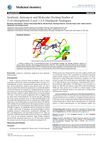
January 2013 in “Medicinal chemistry” This study reported that among 10 tested 2-(4-chlorophenyl)-5-aryl-1,3,4-oxadiazole compounds, compound 4c showed the highest activity against cancer cell lines, with a 95.37% average growth rate.
 29 citations
,
August 2005 in “Biopolymers”
29 citations
,
August 2005 in “Biopolymers” In this study, researchers found that L-cysteine interacted electrostatically with anionic ions on the surface of keratin fibers in human hair, reducing the rate of disulfide bond disconnection at pH 9.0.
10 citations
,
January 2022 in “Journal of Research in Pharmacy” In this experimental study on Wistar albino rats, Cotinus coggygria leaf extract demonstrated potential as a treatment for burn-induced skin damage by reducing cytokine levels and promoting tissue healing.
 15 citations
,
January 1992 in “Sen'i Gakkaishi”
15 citations
,
January 1992 in “Sen'i Gakkaishi” This study suggests that the cell membrane complex in hair cuticles contains hydrophilic regions with disulfide bonds allowing polymer uptake and hydrophobic lamella-like lipid layers.
1 citations
,
January 2017 in “Journal of Dermatology and Venereology” This study found that both a botanical extract and minoxidil significantly downregulated IL-1α gene expression in HaCaT cells, with the botanical extract causing a greater decrease.
 1 citations
,
March 2023 in “Colloids and surfaces. B, Biointerfaces”
1 citations
,
March 2023 in “Colloids and surfaces. B, Biointerfaces” This study reports that a collagen scaffold with p-Coumaric acid showed promising wound-healing effects in diabetic wound models by enhancing tissue regeneration and balancing collagen turnover.
 2 citations
,
January 2017 in “Plant”
2 citations
,
January 2017 in “Plant” This study found that in vitro extracts of Glycyrrhiza glabra root are strong antioxidants, particularly in ethanolic form, and contain secondary metabolites, but only showed mild antibacterial activity.
 January 2025 in “Organics”
 This study found that differently charged micelles influence the acid-base equilibria of cetirizine by altering its ionization constants, indicating potential interactions with biomolecules of various charges under physiological conditions.
16 citations
,
March 2015 in “Clinical and experimental dermatology” This study found that mycophenolic acid promotes dermal papilla cell proliferation and anagen hair follicle induction in mice, suggesting potential as a treatment for hair-loss disorders.
80 citations
,
August 2022 in “Materials Today Bio” This study developed a double-network hydrogel using polyacrylamide and catechol-chitosan to enhance mechanical properties and promote drug release, aiding in inflammation regulation and wound healing for chronic wounds with challenging microenvironments.
 March 2025 in “Jurnal Farmamedika (Pharmamedica Journal)”
 In this study, Indonesian spices were screened in silico for their potential to inhibit MMP9 and TNFα, which are involved in chronic diabetic wounds, and procyanidin was identified as the most promising therapeutic candidate due to its low binding energy to both proteins.
May 2026 in “Advanced Materials Interfaces” This study reported that a new coating made with delaminated Ti₃C₂ MXene nano-sheets and a tea-derived compound effectively protects hair keratin from damage by providing UV screening, thermal dissipation, and antioxidation, while also enhancing mechanical strength and restoring wettability.
February 2026 in “UiTM Institutional Repositories (Universiti Teknologi MARA)” This study found that cis-urocanic acid can engage in non-enzymatic reactions with reactive sulphur species, forming new metabolites, and suggests sulphide donors may protect against UVB-related toxicity.
This presentation suggests that the activation of TRPV3 channels by fruit acids and carvacrol contributes to exfoliation and may underlie the skin-resurfacing effects of chemical peels.
 June 2021 in “International Journal of Ayurvedic Medicine”
 This study found that humulen, a phytoconstituent of Cyperus Rotundus Linn., showed the highest binding affinity in molecular docking with the 5 α reductase enzyme, suggesting potential anti-androgenic effects for hirsutism treatment.

This study observed that a combination of sinapic acid and glabridin from Zhimo herbal extract improved hair growth and reduced oxidative stress in a DHT-induced model of androgenetic alopecia in mice by preventing ferroptosis and stabilizing β-Catenin, offering potential application for AGA treatment.