2 citations
,
June 2025 in “Chemical Engineering Journal” The hydrogel helps heal seawater-immersed wounds by reducing infection and inflammation.
 January 2025 in “ACS Materials Letters”
 This study developed a GelMA-based hydrogel system that supports all stages of severe burn wound healing by reducing inflammation and enhancing tissue regeneration, including neovascularization and hair follicle growth, potentially improving clinical outcomes for complex wounds with multidrug-resistant bacterial infections.
30 citations
,
February 2023 in “Biomaterials Research” This study evaluated a new carboxymethyl chitosan/polyaldehyde dextran (CMCS/PD) hydrogel and found it to be a promising tissue adhesive for trauma emergencies in rats, showing rapid gel formation, strong adhesion, and better antibacterial properties than some commercial alternatives.
 March 2025 in “Advanced Materials”
 This study developed a novel hydrogel dressing, QL@MAB, which facilitates accelerated healing of infected diabetic wounds in rats by offering prolonged drug release, water retention, and adaptive drug delivery in response to high glucose levels in the wound environment.
 August 2026 in “Pharmaceuticals”
 This review reports that biopolymer-based hydrogels show promise as wound dressings due to their biocompatibility, moisture retention, and ability to mimic the extracellular matrix, though challenges in mass production, safety, and clinical validation remain.
 59 citations
,
August 2014 in “International Journal of Biological Macromolecules”
59 citations
,
August 2014 in “International Journal of Biological Macromolecules” In this study, the researchers optimized the extraction conditions for crude polysaccharide from Hibiscus rosa-sinensis leaves, achieving a yield of 9.66% and demonstrated strong antioxidant activities in vitro.
 6 citations
,
April 2022 in “Cellular and Molecular Life Sciences”
6 citations
,
April 2022 in “Cellular and Molecular Life Sciences” This study reports that a new protocol using Angio PRP improved wound healing in mice by enhancing key healing processes and regulating inflammation, suggesting potential for clinical advancements.
Use the least toxic, most specific treatments for skin diseases, considering side effects and individual patient needs.

This study found that elastin-like recombinamer (ELR) wound dressings promote tissue regeneration and stability without rejection in ex vivo and in vivo models, indicating potential for hard-to-heal wound treatment.

In this study, researchers developed a versatile sprayable hydrogel that promotes wound healing in mice by facilitating rapid gelation, reducing inflammation, and accelerating tissue regeneration, with potential applications in chronic wound treatment and beyond.
February 2026 in “ACS Omega” This study developed a multifunctional hydrogel, QTMP-Gel, which significantly accelerated wound healing in an oral mucositis hamster model by providing antioxidant and antibacterial effects, reducing inflammation, and controlling infection.
 March 2025 in “Frontiers in Pharmacology”
 This study developed a hydrogel dressing incorporating angelica polysaccharides, demonstrating enhanced wound healing properties in a mouse model by promoting rapid hemostasis, tissue healing, and new blood vessel formation compared to Tegaderm™ film.
 2 citations
,
January 2024 in “Pakistan Journal of Life and Social Sciences (PJLSS)”
2 citations
,
January 2024 in “Pakistan Journal of Life and Social Sciences (PJLSS)” This study examines the use of emulgel-based systems as drug delivery vehicles for hydrophobic medications, noting their potential benefits in dermatological applications due to properties like easy spreadability, non-greasy texture, and prolonged shelf life.
 October 2025 in “Advanced Healthcare Materials”
 In a study on wound healing, researchers described injectable POEGMA‐DA hydrogels as a promising non-toxic alternative to traditional wound closure methods, showing effective tissue adhesion and enhanced regeneration of skin structures in a mouse model without significant inflammation.
 2 citations
,
June 2023 in “Gels”
2 citations
,
June 2023 in “Gels” This study highlights the versatility and potential of injectable hydrogel nanocomposites in biomedical research, emphasizing their roles in controlled drug delivery, tissue regeneration, and treatment of various conditions, such as cardiac issues, joint diseases, and bone regeneration.
35 citations
,
November 2024 in “Gels” This review discusses hydrogel-forming microneedles for non-invasive drug delivery in dermatology and reports no new clinical results, emphasizing their promise in improving treatment adherence and patient comfort.
 March 2023 in “International journal of pharmaceutical sciences review and research”
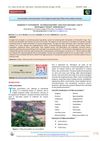
 In this study, an Emulgel containing Tridax procumbens extract was formulated and found to have promising physical properties and antimicrobial activity for wound healing.
 1 citations
,
August 2023 in “Gels”
1 citations
,
August 2023 in “Gels” This study found that a chitosan-based hydrogel containing silver nanoparticles and ibuprofen demonstrated strong antibacterial activity and accelerated wound healing in vivo, suggesting its potential use in wound dressings.
8 citations
,
October 2022 in “Frontiers in Bioengineering and Biotechnology” This study found that HFV70 cryogels, made from Flammulina velutipes extract and hydroxyethyl cellulose, effectively promoted rapid hemostasis and tissue regeneration in full-thickness skin defects in rats, demonstrating improved hemocompatibility, cytocompatibility, antimicrobial, and antioxidant properties.
2 citations
,
July 2025 in “Chemical Engineering Journal” The hydrogel dressing effectively treats infected wounds by combining infection control and tissue regeneration.
1 citations
,
August 2025 in “OPAL (Open@LaTrobe) (La Trobe University)” This study presents a composite hydrogel dressing with berberine-loaded silk fibroin microspheres and Calotropis gigantea fibers that demonstrates effective antibacterial properties, enhanced mechanical strength, and promotes wound healing.
April 2024 in “Journal of composites science” This review details how hydrogel composites play crucial roles in regenerative medicine, tissue engineering, and drug delivery systems, highlighting innovations in these applications and addressing challenges like bioactivity, biomechanical compatibility, and controlled drug release.
1 citations
,
October 2025 This source describes wound healing as a complex biological process that requires precise regulation and coordination among various cells, cytokines, and signaling pathways to achieve tissue repair, although specific findings or results are not provided in the abstract.
28 citations
,
September 2023 in “International Journal of Biological Macromolecules” Animal experiments in this study demonstrated that a new sandwich-like fiber/sponge dressing design, which enhances wound healing through improved moisture management and faster exudate evaporation, resulted in more significant wound size reduction compared to commercial and control dressings.
254 citations
,
March 2023 in “Advanced Science” This study developed an all-natural hydrogel that promotes diabetic wound healing by converting pro-inflammatory M1 macrophages to anti-inflammatory M2 macrophages in a simple and biosafe manner.
6 citations
,
December 2024 in “International Journal of Biological Macromolecules” This study introduced a novel exosome-loaded sprayable hydrogel (ADA-aPF127@LL18/Exo) that significantly enhanced wound healing in a deep partial thickness burn model, showing improved antibacterial efficacy and promoting tissue recovery processes like epithelialization and hair follicle regeneration.
49 citations
,
January 2017 in “Journal of Materials Chemistry B” This study developed a hydrogel from glycol chitosan and silica nanoparticles, which showed promise in wound healing by supporting microvessel and hair follicle growth in skin defects.
 October 2022 in “ACS Applied Materials & Interfaces”
 This study reports that the newly developed SA-Ca(II) hydrogel has tunable mechanical properties, high biocompatibility, and potential applications in wearable protections and stimuli-responsive electronics.
7 citations
,
May 2024 in “Gels” This study evaluated a new collagen and tannic acid hydrogel in rat liver and heart bleeding models, finding it reduced blood loss and hemostatic time compared to commercial products, with benefits such as enhanced biodegradability and potential for clinical use.
12 citations
,
September 2023 in “Polymers” This study reported that a newly developed hydrogel composed of recombinant type I collagen and chitosan, incorporating a metal–polyphenol structure, demonstrated strong mechanical and healing properties, effectively promoting wound healing in a full-thickness skin defect model.