 11 citations
,
June 1996 in “Nutrition”
11 citations
,
June 1996 in “Nutrition” Vitamin D3 may prevent hair loss from chemotherapy, but side effects and cancer cell protection are concerns.
 May 2021 in “Journal of the Endocrine Society”
 This case report describes the rare association of an ovarian Leydig cell tumor and primary hyperparathyroidism in a postmenopausal woman, highlighting the importance of considering rare causes in patients with virilizing symptoms.
November 2019 in “BMC veterinary research” This study concluded that moderate to severe alopecia in Belgian Blue crossbred calves was due to malabsorption of dietary fat caused by a mixing error of milk replacer.
 6 citations
,
August 2020 in “Dermatology and Therapy”
6 citations
,
August 2020 in “Dermatology and Therapy” This study found that patients with alopecia areata had significantly lower serum vitamin D levels and higher odds of vitamin D deficiency, but no significant difference in serum calcium levels, compared to controls.
8 citations
,
September 2014 in “Journal of X-Ray Science and Technology” This study found that hair analysis may be useful in early breast cancer detection by identifying distinct calcium and strontium concentration patterns before and during cancer development.
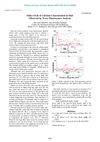
Hair can show daily calcium changes, linked to body calcium levels and influenced by hormones, and can help assess calcium metabolism issues.
10 citations
,
April 1965 in “Journal of Nutrition” Changing mineral levels in rats' diets can prevent kidney stones, affect hair growth, and influence weight gain.
 82 citations
,
April 1981 in “Clinical endocrinology”
82 citations
,
April 1981 in “Clinical endocrinology” This study describes a case of vitamin D resistant rickets in a young girl due to end organ unresponsiveness, highlighting a possible new subtype of the disorder with distinct clinical features.
151 citations
,
June 2010 in “Endocrinology and metabolism clinics of North America” This article compares two rare genetic diseases, vitamin D-dependent rickets type 1 and type 2, focusing on their similar presentations of hypocalcemia and rickets in infancy, but reports no new clinical results.
110 citations
,
November 1984 in “The American Journal of Medicine” This study observed that children with a genetically transmitted defect in the 1,25-dihydroxyvitamin D3 receptor experienced spontaneous healing of rickets as they aged, despite persistent mineral imbalances during treatment.
 1533 citations
,
October 2008 in “Endocrine reviews”
1533 citations
,
October 2008 in “Endocrine reviews” This research highlights that engineered mice lacking the vitamin D receptor show multiple health issues similar to human vitamin D deficiency, underscoring the widespread impacts of the vitamin D endocrine system.
21 citations
,
January 1997 in “Nephron” In this study, two dialysis patients with high plasma silicon levels exhibited symptoms like painful skin eruptions and unusual hair growth, suggesting silicon may influence calcium metabolism similarly to aluminum.
4 citations
,
February 2019 in “Revista da Associação Médica Brasileira” This study found that FOLFOX6 chemotherapy significantly decreased serum VEGF and CRP levels in advanced colorectal cancer patients, improved their quality of life as measured by KPS scores, and demonstrated a high overall therapeutic efficacy of 82.72% with manageable side effects.
52 citations
,
August 1993 in “Clinical endocrinology” This study found that intravenous high dose calcium infusions followed by high dose oral calcium effectively treated vitamin D dependent rickets type II, leading to complete biochemical and radiological healing and improved growth in two patients.
October 2008 in “Trace Elements and Electrolytes” In this study, perimenopausal women with initially high hair concentrations of calcium, magnesium, and silicon experienced a decrease in these elements after intermittent dietary supplementation with calcium, magnesium, silicon, and vitamin D.
25 citations
,
May 2006 in “Annals of Botany” This study suggests that a tip-focused gradient of intracellular G-actin concentration at the apex is crucial for root hair growth, and maintaining this gradient requires high calcium levels at the root hair tips.
June 2025 in “Annals of the Rheumatic Diseases” This study found that pregnant women with rheumatic diseases had sufficient energy and macronutrient intake, but showed a high prevalence of overweight and obesity, with selenium intake exceeding safe levels, which may lead to potential side effects.
18 citations
,
March 2016 in “Journal of Investigative Dermatology” This study found that calbindin-D9k knockout mice on a maternal vitamin D-deficient and low-calcium diet developed transient alopecia, but a high-vitamin D and calcium diet in mothers reduced this effect.
2 citations
,
April 2024 in “Alexandria Dental Journal” This study found that a high-fat diet in rats led to obesity, insulin resistance, and structural changes in the parotid salivary glands, with associated negative impacts on general health.
 November 2025 in “Zenodo (CERN European Organization for Nuclear Research)”
 In this study, researchers evaluated hair loss in 40 participants and identified key Ayurvedic and biochemical factors, finding frequent dietary incompatibilities and a high prevalence of low serum calcium, supporting an integrated approach emphasizing diet and scalp health.
 1 citations
,
January 2016 in “Journal of Nepal Paediatric Society”
1 citations
,
January 2016 in “Journal of Nepal Paediatric Society” This case report discusses a 27-month-old girl with vitamin D-dependent rickets type II, who showed minor improvement in skeletal features and alopecia after high-dose oral calcium and vitamin D3 treatment.
 July 2026 in “bioRxiv (Cold Spring Harbor Laboratory)”
 In this study, researchers found that the efflux of calcium in root hairs of Arabidopsis thaliana, particularly through the ER-localized ACA2 and ACA7, is crucial for modulating cytoplasmic calcium signals and enabling proper root hair growth, with disruptions leading to impaired elongation.
107 citations
,
March 2014 in “BoneKEy Reports” This abstract reviews hereditary vitamin D-resistant rickets, a rare genetic condition causing severe early childhood rickets, and reports no new results; effective treatment typically requires high doses of calcium to address hypocalcemia and secondary hyperparathyroidism.
 October 2011 in “Journal of dermatology”
 A man with a rare skin condition and a new gene mutation developed high calcium levels due to his treatment.
November 2023 in “Applied sciences” This study found that platelet dry powder can be mass-produced from pig blood by adding calcium chloride, resulting in a stable material with high growth factor concentrations, which could enhance supply for industrial product development.
This case report highlights that Tjalma Syndrome may present as a main symptom of systemic lupus erythematosus and should be considered in patients with ascites, pleural effusions, and elevated CA-125 levels.
1 citations
,
September 2018 in “Apollo (University of Cambridge)” In this study, phosphorus starvation in Arabidopsis thaliana roots strongly affected stress-induced cytosolic calcium ion modulations, which were reversible with phosphorus resupply.
April 2023 in “Journal of Investigative Dermatology” This review evaluates controlled studies on Platelet-Rich Plasma for androgenetic alopecia treatment, reporting positive effects on hair growth and density but highlighting the need for standardized protocols.
1 citations
,
December 2005 in “Journal of Biological Research - Bollettino della Società Italiana di Biologia Sperimentale” This study used Scanning Electron Microscopy to analyze South American mummy hair, revealing high levels of sulfur, calcium, and potassium, highlighting SEM's utility in anthropological investigations.
September 2024 in “American Journal of Modern Physics” This study used X-ray fluorescence to analyze elemental and heavy metal contents in Senegalese powdered milk, finding potential safety concerns with excessive calcium in certain samples and significantly high potassium levels in one, suggesting ongoing monitoring is crucial for consumer safety.