19 citations
,
April 2013 in “Drug Development and Industrial Pharmacy” This study highlights the significance of the hf pathway for the skin permeation of ionized and hydrophilic high molecular compounds, and the usefulness of hf-plugging in evaluating their skin permeability.
 November 2022 in “The journal of investigative dermatology/Journal of investigative dermatology”
 This study found that skin organoids derived from iPSCs with an HS-associated NCSTN mutation showed defects in hair follicle stem cell differentiation and increased expression of inflammatory proteins related to hidradenitis suppurativa.
 12 citations
,
January 2012 in “Dermatology”
12 citations
,
January 2012 in “Dermatology” Finasteride helped treat a 28-year-old's facial skin condition.
 March 2025 in “ACS Applied Materials & Interfaces”
 This study found that using an ultrasound hollow microneedle array enhanced transdermal delivery of finasteride, accelerating hair regrowth in mice with androgenetic alopecia compared to other delivery methods.
 April 2023 in “Journal of Investigative Dermatology”
 This study demonstrates that human epidermal stem cells can adapt to environmental temperature changes through mTOR signaling, and prolonged inhibition of mTORC1 supports stem cell maintenance, which may be vital for regenerative medicine.
 5 citations
,
March 2023 in “Archives of dermatological research”
5 citations
,
March 2023 in “Archives of dermatological research” This study found that hidradenitis suppurativa is associated with increased serum levels of hypoxia-inducible factor-1α, suggesting its role in the disease's pathogenesis and as a treatment target.
7 citations
,
July 2021 in “The Journal of Dermatology” This study in Asian females found that higher use of moisturizers and sunscreen among FFA patients may reflect appearance concerns rather than indicating a direct link to the disease mechanism.
May 2025 in “Journal of Clinical Medicine” This study suggests that women with alopecia have decreased microcirculation oscillations, which may imply neuroinflammation as a factor in the disease's pathogenesis.
October 2010 in “eCommons (Cornell University)” This study found that mouse hair follicle stem cells use symmetric cell division for maintenance and fate determination, and identified Gata6 as a crucial factor for their differentiation.
 9 citations
,
March 2018 in “Actas Dermo-Sifiliográficas”
9 citations
,
March 2018 in “Actas Dermo-Sifiliográficas” This study found that the Spanish version of the Hair Specific Skindex 29 (HSS29) is a reliable and valid tool for assessing the quality of life impact of female androgenetic alopecia.
9 citations
,
January 2023 in “Journal of Clinical Medicine” This study presents a validated questionnaire, the FFA-QLI, which effectively assesses and differentiates the quality of life impact among patients with frontal fibrosing alopecia, showing greater sensitivity in identifying severe cases than the DLQI.
10 citations
,
January 1989 in “Archives of Dermatological Research” The method effectively analyzes human hair proteins, especially nonfilamentous ones.
 7 citations
,
October 2020 in “Journal of The American Academy of Dermatology”
7 citations
,
October 2020 in “Journal of The American Academy of Dermatology” This systematic review and meta-analysis found that hidradenitis suppurativa is associated with an increased risk of major adverse cardiac events, including cerebrovascular accidents and myocardial infarction, although study heterogeneity affects the magnitude of risk.
 51 citations
,
May 2019 in “Biomaterials”
51 citations
,
May 2019 in “Biomaterials” This study developed a method for generating germ-like tissues called bbHFGs, which efficiently promoted hair follicle formation in mice, potentially advancing hair regenerative medicine applications.
 July 2022 in “The journal of investigative dermatology/Journal of investigative dermatology”
 In this study, researchers created a comprehensive transcriptome map of human hair follicle compartments, identifying compartment-specific genes and providing a resource for potential therapeutic interventions.
August 2019 in “Journal of the American Academy of Dermatology” Frontal fibrosing alopecia may be caused by an autoimmune reaction and hormonal imbalance.
3 citations
,
May 2025 in “Lasers in Surgery and Medicine” This study suggested that MRF may support skin regeneration and rejuvenation by promoting collagen synthesis and regulating factors involved in fibroblast activation and ECM remodeling, with preliminary findings indicating ADSCs might aid these processes.
2 citations
,
September 2024 in “Pharmaceuticals” This study suggests that human placenta hydrolysate reduces CFA-induced inflammatory pain in mice by inhibiting pro-inflammatory cytokines and protecting peripheral nerves.
September 2023 in “JEADV Clinical Practice” This study identified key dermoscopic features in folliculotropic mycosis fungoides patients, showing that dilation of follicular openings and spiky follicular keratosis are specific indicators of follicular involvement, potentially aiding in diagnosis, classification, and treatment decisions.
41 citations
,
November 2019 in “Journal of Ultrasound in Medicine” This study found that 70-MHz ultrasound can detect early signs of hidradenitis suppurativa linked to severity, including hair follicle abnormalities and keratin fragmentation, aiding in diagnosis and management.
23 citations
,
April 2016 in “Journal of Visualized Experiments” This research details a robust method for isolating hair follicle stem cells and epidermal keratinocytes from mouse hair follicles using fluorescence activated cell-sorting technology.
 2 citations
,
September 2002 in “Journal of Endocrinological Investigation”
2 citations
,
September 2002 in “Journal of Endocrinological Investigation” The GH-IGF-I axis is likely involved in the hormonal imbalances seen in non-obese women with functional hyperandrogenism.
 6 citations
,
February 2015 in “Anais Brasileiros de Dermatologia”
6 citations
,
February 2015 in “Anais Brasileiros de Dermatologia” This study found that patients with mycosis fungoides have higher levels of cardiovascular risk markers, suggesting an increased cardiovascular risk in this group compared to healthy controls.
 January 2022 in “Acta dermatovenerologica Alpina, Pannonica et Adriatica (Tiskana izd.)”
 This article presents an overview of uncombable hair syndrome, emphasizing its clinical and molecular characteristics and noting systemic manifestations such as neuropsychiatric, ophthalmic, and cardiopulmonary issues.
 January 2017 in “Journal of clinical & experimental dermatology research”
 This study found that human embryonic and induced pluripotent stem cells differentiated into specific bulge stem cells and successfully formed new hair follicles when transplanted with mouse dermal cells in immunodeficient mice.
 1 citations
,
September 2023 in “Baghdad Journal of Biochemistry and Applied Biological Sciences”
1 citations
,
September 2023 in “Baghdad Journal of Biochemistry and Applied Biological Sciences” In this study, among Iraqi women with hirsutism, researchers found no significant differences in hormonal markers compared to healthy controls, but identified a strong association between the modified Ferriman-Gallwey (mFG) score and hirsutism, highlighting the mFG score's utility in diagnosing the condition.
 6 citations
,
January 2017 in “British Journal of Dermatology”
6 citations
,
January 2017 in “British Journal of Dermatology” This article reviews frontal fibrosing alopecia, exploring its characteristics, demographics, and associated conditions, and calls for controlled trials due to an increase in worldwide cases; it reports no new findings.
December 2022 in “Research Square (Research Square)” In this study, a comprehensive treatment approach involving multiple therapies was found to play a crucial role in managing hidradenitis suppurativa in patients with intellectual and developmental disorders despite practical challenges.
 February 2020 in “International Journal of Current Microbiology and Applied Sciences”
 This study found that canine hair follicle stem cells in vitro expressed markers associated with multipotency, suggesting their potential role in the hair cycle.
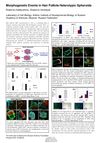
This study found that hyaluronic acid increased the size of hair follicle germ-like aggregates and the number of proliferative cells but did not maintain specific markers during the process.