January 2024 in “Diagnostics” This literature review found that Long COVID is a complex condition involving multiple body systems, influenced by factors like pre-existing conditions and vaccination status, with differing manifestations and persistence, complicating diagnosis and treatment efforts.
December 2023 in “Indian Journal of Endocrinology and Metabolism” In this case report from People's College of Medical Sciences, a 20-year-old man initially misdiagnosed with Addison's disease was ultimately found to have strongyloidiasis, with his symptoms and weight loss improving after antihelminthic treatment.
 September 2023 in “F&S reports”
 This review examines theories linking PCOS with psychiatric disorders, highlighting dietary interventions like probiotics and nutrients as possible improvements, but reports no new clinical findings and calls for more research.
September 2023 in “Middle East Fertility Society Journal” This study found that nicotine may have a therapeutic role in mitigating the exacerbation of infertility conditions connected with alpha-synuclein-related Parkinson’s disease through molecular interactions identified via pathway analysis.
 August 2023 in “Clinical, Cosmetic and Investigational Dermatology”
 This study identified key trends and influential contributors in skin microbiome research from the past decade, highlighting the growing publication rates, major players like the USA, and prominent researchers such as Gallo RL.
 June 2023 in “Pharmaceuticals”
 This review reports that sex-related differences in pharmacological response have been observed in SARS-CoV-2 infection, dyslipidemia, and diabetes mellitus, with implications for treatment strategies; for example, men may respond better to genomic vaccines for SARS-CoV-2, while women may benefit more from certain antiviral medications.
 October 2022 in “Frontiers in Endocrinology”
 This review discusses recent advancements in omics and gene editing technologies for studying neuropeptides and receptors in fish, but reports no new experimental findings; the authors highlight the need for further research in this area.
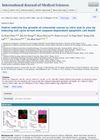 January 2022 in “International Journal of Medical Sciences”
 This study investigated the effects of cedrol on colorectal cancer and found that it inhibited cell proliferation and induced cell cycle arrest and apoptosis in cell models, while in vivo, it suppressed cancer progression and improved survival at a well-tolerated dose.
 December 2021 in “Revista da Sociedade Portuguesa de Dermatologia e Venereologia”
 This review discusses the impact of dysbiosis on scalp diseases like seborrheic dermatitis and alopecia areata, reporting no new results; the authors suggest the microbiome could offer therapeutic options.
This abstract compiles a list of medical syndromes and conditions related to tongue abnormalities and other systemic features but reports no new research findings.
7 citations
,
November 2023 in “Microorganisms” This study suggests that the intestinal microbiota may have protective effects against celiac disease by degrading gluten and maintaining intestinal barrier integrity, but disruptions in the microbiota can exacerbate the disease.
188 citations
,
February 2023 in “International Journal of Molecular Sciences” This review compiled evidence suggesting that flavonoids may promote skin wound healing due to their anti-inflammatory, angiogenesis, re-epithelialization, and antioxidant properties, while also discussing current limitations and future prospects for these compounds as wound-healing agents.
86 citations
,
April 2009 in “Journal of anatomy” This paper reviews the evolution of skin appendages and keratin-associated proteins among amniotes, proposing a model for their genetic divergence without new experimental results.
73 citations
,
February 2023 in “Polymers” This review discusses the unique properties, design, and fabrication of peptide hydrogels for biomedical applications, focusing on advances in drug delivery, gene therapy, and regenerative medicine; it reports no new clinical results.
43 citations
,
September 2021 in “Nutrients” This review discusses the vast potential uses of persimmon beyond its dietary benefits, including applications in sustainability and new product development, but reports no new clinical outcomes.
36 citations
,
August 2022 in “Molecular Therapy — Nucleic Acids” This review discusses various gene therapy and non-viral delivery methods to promote angiogenesis for chronic wound healing, but it reports no new clinical results.
32 citations
,
February 2019 in “eLife” This study identified key cells and pathways needed for the development of touch receptor patterns in mouse skin, notably that certain keratinocytes are crucial for innervation patterns, while Merkel cells and BMP signaling have distinct roles.
30 citations
,
June 2022 in “Animals” This study found that certain genes were significantly associated with hair length in Inner Mongolia cashmere goats, potentially serving as molecular markers for different hair types.
21 citations
,
August 2024 in “Journal of Clinical Medicine” This review highlights that malnutrition, including deficiencies in proteins and micronutrients, may exacerbate allergic conditions like dermatitis and asthma by promoting inflammation, while adequate micronutrient intake supports regulatory immune responses.
20 citations
,
November 2022 in “Nutrients” This review summarizes existing reports on placenta extract for treating liver injury and discusses its mechanisms but provides no new clinical results.
12 citations
,
June 2024 in “Nutrients” In this review, researchers highlighted that natural polyphenolics like flavonoids and resveratrol may help enhance testosterone production in aging males by boosting the expression of the Star gene in Leydig cells, potentially preventing age-related degenerative conditions linked to testosterone insufficiency.
8 citations
,
September 2023 in “International Journal of Nanomedicine” In this study, researchers developed an in vitro airway-organoid model using human lung-derived cell lines on RADA16-I hydrogels to serve as a potential tool for studying adenovirus isolation, pathogenesis, and antiviral drug screening.
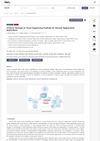 8 citations
,
May 2023 in “Gels”
8 citations
,
May 2023 in “Gels” This review discusses the advantages and progress of chitosan hydrogels in vascular regeneration for tissue engineering scaffolds, highlighting modifications to enhance their application and exploring future prospects.
 7 citations
,
December 2021 in “Pharmaceutics”
7 citations
,
December 2021 in “Pharmaceutics” This review examines the anti-alopecia effects of plant-derived phytochemicals and their mechanisms for promoting hair growth, but it reports no new clinical findings.
6 citations
,
May 2025 in “Cosmetics” This review synthesizes research on solar radiation's multifaceted effects on skin and recent advancements in sunscreen technology, including formulation, testing methods, and the use of AI, to inform future sun protection product development.
6 citations
,
December 2022 in “International Journal of Molecular Sciences” This study revealed that deleting EZH2 in mesenchyme-derived cells of the female reproductive tract led to impaired uterine gland development and pregnancy loss in mice, highlighting EZH2's crucial role in fertility.
5 citations
,
July 2025 in “Nutrients” This study reviews how advancements in nanotechnology have improved food safety, nutrition delivery, and health interventions, but it also highlights the need for more research into safety evaluations and regulatory concerns.
 5 citations
,
December 2022 in “Toxins”
5 citations
,
December 2022 in “Toxins” This review discusses the structural properties, pharmacological effects, and clinical applications of neurotoxins on synapses, reporting no new experimental results.
 3 citations
,
January 2023 in “International Journal of Molecular Sciences”
3 citations
,
January 2023 in “International Journal of Molecular Sciences” This review summarizes current knowledge on the role of heat shock proteins in the pathogenesis of PCOS and their potential implications in developing new treatment strategies, but it reports no new experimental results.
3 citations
,
August 2018 in “Stem cells international” This study found that cultured hair follicle dermal cells support maintenance and potentially aid in the clinical application of pluripotent and haematopoietic stem cells.