14 citations
,
May 2022 in “Frontiers in Endocrinology” This study found that lower serum testosterone levels were significantly associated with an increased prevalence of kidney stones in men over 40, but not in those aged 20–40.
5 citations
,
June 2017 in “BJU international” In this review, the authors highlight the occupational risks faced by pregnant urologists, such as radiation and exposure to certain medications, and emphasize the importance of avoiding specific drugs and practicing good hygiene, but note limited data on radiation risk.
 21 citations
,
February 2021 in “Frontiers in Endocrinology”
21 citations
,
February 2021 in “Frontiers in Endocrinology” This review explores the potential impact of hormonal changes during aging on benign prostate hyperplasia-related urinary symptoms and metabolic syndrome, highlighting the hypothesis of a male PCOS-equivalent but reports no new clinical results.
 1 citations
,
October 2015 in “Renal Failure”
1 citations
,
October 2015 in “Renal Failure” This study observed a significant correlation between vertex pattern and total alopecia and the presence of urinary stones in patients under 60 years old.
November 2011 in “Nature Clinical Practice Urology” This article reviews the use of 5alpha-reductase inhibitors for managing benign prostatic hyperplasia and reports no new clinical results.
November 2003 in “PubMed”  March 2025 in “MAEDICA – a Journal of Clinical Medicine”
 This review explores the potential impact of SARS-CoV-2 on benign prostatic hyperplasia and related lower urinary tract symptoms but reports no new clinical results, emphasizing the need for further studies to quantify these changes.
 January 2016 in “Renal Failure”
 Kidney stones and hair loss are significantly related in people under 60 years old.
 January 2019 in “Nihon Yakuri Gakkai nenkai yoshishu”
 This article reviews guidelines and medications for treating benign prostatic hyperplasia but presents no new clinical results.
 3 citations
,
September 2000 in “Geriatric nursing”
3 citations
,
September 2000 in “Geriatric nursing” This review summarizes key characteristics of men's health issues such as erectile dysfunction and prostate cancer, along with specific nursing considerations, and reports no new research results.

This study found that men with benign prostate hyperplasia showed increased meibomian gland dysfunction and tear film instability compared to age-matched controls, and were also more likely to have androgenic alopecia.
 April 2013 in “The Journal of Urology”
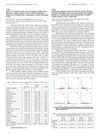
 Higher CRP levels suggest chronic inflammation is linked to bladder-related urinary symptoms in men with enlarged prostates.
8 citations
,
July 2022 in “Metabolites” This study found that among middle-aged Korean men, higher serum uric acid levels were associated with a reduced risk of developing lower urinary tract symptoms.
September 2021 in “The Scientific Issues of Ternopil Volodymyr Hnatiuk National Pedagogical University Series pedagogy” This review discusses the impact of COVID-19 on urological treatment approaches, including the heightened severity of LUTS in men with urological issues and emphasizes the importance of adhering to treatment protocols.
August 2025 in “Seminars in Nephrology” Regenerative repair is essential to prevent long-term kidney function issues after obstruction.
 3 citations
,
February 2019 in “Journal of endourology case reports”
3 citations
,
February 2019 in “Journal of endourology case reports” This report discusses a rare case of polypoid cystitis in a 45-year-old Asian man, which mimicked a bladder tumor and caused bilateral upper tract obstruction that was successfully treated through staged endoscopic management, ureteral stenting, and oral steroids.
 October 2023 in “Urologie in der Praxis”
 This article reviews the diagnostics and medical transition options for adults with gender incongruence, reports no new clinical results, and highlights the importance of primary care knowledge in managing these patients.
23 citations
,
July 2015 in “The Journal of Membrane Biology” This study found that testosterone increased the expression of AQP-1, 5, and 7 in the uterus of rats, which may help explain the reduction in uterine fluid volume.
 23 citations
,
May 1984 in “Journal of the American Geriatrics Society”
23 citations
,
May 1984 in “Journal of the American Geriatrics Society” Benign Prostatic Hyperplasia may be caused by changes in how the body processes male hormones.
 2 citations
,
March 2019 in “American journal of physiology. Renal physiology./American journal of physiology. Renal physiology”
2 citations
,
March 2019 in “American journal of physiology. Renal physiology./American journal of physiology. Renal physiology” This paper discusses the potential of targeting fibrosis in addressing lower urinary tract symptoms associated with benign prostatic hyperplasia, but it provides no new clinical findings and highlights the need for further research.
4 citations
,
January 2015 in “Case Reports in Urology” This case report describes a 66-year-old male with benign prostatic hyperplasia who developed urinary incontinence after starting venlafaxine, which resolved upon discontinuation of the medication.
17 citations
,
January 1998 in “Neurourology and Urodynamics” This report describes a case of adrenomyeloneuropathy where neurogenic bladder dysfunction developed, attributed to demyelinating lesions in the patient's peripheral nerves, spinal cord, and cerebral white matter.
 20 citations
,
June 2015 in “Hormone Molecular Biology and Clinical Investigation”
20 citations
,
June 2015 in “Hormone Molecular Biology and Clinical Investigation” This study found that long-term finasteride therapy in men with BPH worsened erectile dysfunction and reduced testosterone levels, while these effects were not observed with tamsulosin.
March 2014 in “The Journal of Urology” This study observed that long-term treatment with 5ARIs in men with LUTS/BPH was linked to worsening sexual function, whereas doxazosin alone had minimal negative impact.
14 citations
,
June 2014 in “World Journal of Urology” This study found that the herbal combination PRO 160/120 significantly improved nocturnal voiding frequency in patients with moderate-to-severe LUTS/BPH compared to placebo, with similar effectiveness to tamsulosin and finasteride.
January 2011 in “InTech eBooks” This article reviews the development, classification, and embryology of hypospadias and reports no new findings; the authors highlight its unknown cause and discuss associated anatomical anomalies.
 30 citations
,
August 2016 in “Advances in radiation oncology”
30 citations
,
August 2016 in “Advances in radiation oncology” This study developed a mouse model for radiation cystitis that mimics human pathology and found that radiation exposure leads to increased urinary frequency and long-term weakening of urothelial integrity.
March 2009 in “The Journal of Urology” This research concludes that finasteride significantly reduces dihydrotestosterone levels and prostate size in men with BPH and may improve urinary symptoms, with greater baseline prostate size predicting more pronounced benefits compared to placebo.
April 2017 in “The journal of sexual medicine” This study investigated the effects of 5-alpha-reductase inhibitors on penile histomorphometry in both normotensive and hypertensive rats, reporting no significant changes between treated and untreated groups.
January 2015 in “Faculty of 1000 Research Ltd” BPH treatment improved with personalized medicine, new drugs, and less invasive surgeries.