August 1978 in “Archives of Dermatology” This case report details a rare instance of granulomatosis disciformis chronica et progressiva affecting both skin and lymph node tissue in a 31-year-old man.
2 citations
,
February 2012 in “PubMed” This study found that Gp₄G increased hair length, papilla cell numbers, and versican deposition in treated animals, potentially through alterations in hair follicle phases and nucleotide concentrations.
This study found that GPC1 is a key regulator of angiogenesis in human dermal microvascular endothelial cells, influenced by factors secreted by keratinocytes, and may be a target for alopecia treatment research.
This study found that GPC1 is a key regulator of angiogenesis in hair follicles and may be an interesting target for addressing alopecia in dermatology research.
This study found that GPC1 plays a crucial role in regulating angiogenesis in human dermal microvascular endothelial cells, which may make it a potential target in alopecia treatment research.
This study found that GPC1 is a significant regulator of angiogenesis in human dermal microvascular endothelial cells, suggesting its potential as a target for alopecia research.
4 citations
,
August 2023 in “Journal of Cosmetic Dermatology” Gynostemma pentaphyllum extract may help grow hair and prevent graying.
19 citations
,
January 2019 in “Animals” This study suggests that PDGFA and BMP2 play a role in the hair follicle cycle in cashmere goats, with PDGFA particularly involved in activating the growth phase.
September 2019 in “Journal of Investigative Dermatology” This study observed that PCE-DP may improve skin pigmentation by increasing epidermal turnover and inhibiting melanin uptake and inflammation in human epidermal keratinocytes.
 November 2018 in “Chin J Clin Lab Mgt (Electronic Edition)”
 This paper introduces Concentration Growth Factor (CGF) as a potential treatment for androgenetic alopecia, but reports no clinical findings on its effectiveness in promoting hair growth.
1 citations
,
September 2025 in “International Journal of Molecular Sciences” This study found that primary stem cells from concentrated growth factor can differentiate into adipogenic, endothelial, and neuronal lineages in vitro, suggesting potential for use in regenerative therapies.
 January 2025 in “Nature Communications”
 This study discovered that calcium dependent protein kinase 1 (CPK1) directly activates cyclic nucleotide-gated channels 5, 6, and 9, promoting root hair growth in Arabidopsis by regulating Ca²⁺ signaling.
 April 2019 in “Journal of Investigative Dermatology”
 This study suggests that dietary grape powder may reduce the severity of atopic dermatitis in a mouse model, highlighting its potential in both prevention and intervention settings.
 April 2016 in “Journal of Investigative Dermatology”
 This study found that gypenosides from Gynostemma pentaphyllum increased procollagen synthesis in vitro and reduced periorbital wrinkles by about 14% in a clinical trial with 24 women.
3 citations
,
January 2025 in “动物学研究” This study used high-resolution imaging and genetic analysis to investigate hair density in the Dazu black goat, identifying key genes like GJA1 and GPRC5D involved in follicle development and maintenance, and highlighted their role in animal hair density regulation.
 January 2017 in “Nasza Dermatologia Online”
 This study found that both new and old formulas of DCP for treating alopecia areata resulted in similar hair regrowth, but tolerance was significantly better with DCP in isopropanol.
This study identified CXXC5 as a key mediator of hair loss induced by PGD2 and DHT via suppression of the Wnt/β-catenin pathway, with implications for potential therapeutic targets.
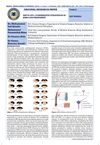 November 2025 in “PARIPEX-INDIAN JOURNAL OF RESEARCH”
 GFC is more effective than PRP for treating hair loss.
 June 2025 in “Dermatologic Surgery”
 This study found that growth factor concentrate provides quicker improvements for patterned hair loss, but platelet-rich plasma offers more sustained benefits after treatment.
July 2026 in “Scientific Data” In this study, researchers analyzed dermal papilla cells from cashmere goats and identified 3,857 differentially expressed genes associated with hair growth phases, follicle types, and sex, providing a foundational resource for future efforts to improve cashmere quality and yield.
January 2025 in “Journal of Ethnopharmacology” This study found that external application of DGD activates the Wnt/β-catenin signaling pathway, promoting hair follicle anagen phase entry, and is a more effective and safer treatment for androgenetic alopecia in mice compared to oral administration.
4 citations
,
February 2025 in “Nutrients” This randomized controlled trial found that consuming *Gynostemma pentaphyllum* extract significantly improved hair elasticity, density, and diameter over 24 weeks without severe adverse events, suggesting it as a safe functional food ingredient for hair health improvement.
 205 citations
,
March 2012 in “Science Translational Medicine”
205 citations
,
March 2012 in “Science Translational Medicine” PGD2 stops hair growth and is higher in bald men with AGA.
 April 2014 in “The FASEB Journal”
 This study found that Geranium Sibiricum L extract may promote hair growth by increasing cell proliferation and migration while modulating cytokine expression in human dermal papilla cells under stress conditions.
 July 2024 in “Experimental Dermatology”
 This study suggests that APC collagen peptides may accelerate hair growth and promote overall hair health by enhancing cellular proliferation and activating specific signaling pathways in human and mouse models.
9 citations
,
January 2021 in “Acta Cirúrgica Brasileira” This study found that DPG promoted wound healing in rat skin, with increased collagen I density, particularly evident within the first 14 days after injury.
 June 2026 in “Frontiers in Oncology”
 In this study, researchers found that deficiencies in Gsdma1/2/3 significantly inhibited the initiation and progression of cutaneous squamous cell carcinoma (cSCC) in mice, suggesting GSDMA's role in promoting cSCC proliferation and its potential as a therapeutic target.
13 citations
,
January 2014 in “Zhongguo zhongyao zazhi” This study found that Dendrobium candidum polysaccharides might promote hair growth in mice, potentially by increasing VEGF mRNA expression.
1 citations
,
September 2025 in “Frontiers in Veterinary Science” This study observed structural and molecular changes in Ganxi goat skin that adapt to hot and humid climates and suggested that GSDMA might play a role in hair follicle regulation and skin homeostasis, though further research is needed to confirm its function in environmental adaptation.
 3 citations
,
September 2017 in “Stem cell investigation”
3 citations
,
September 2017 in “Stem cell investigation” This review discusses the various roles of skin-resident dermal white adipose tissue in hair growth inhibition, antibacterial responses, and wound healing, reporting no new empirical findings.